Replace a filling when there is clear evidence it has failed: new decay around the edges, a crack, a missing piece, or leakage that lets bacteria in. An intact, well-sealed filling that shows no symptoms does not need to come out just because of its age. Routine exams and bitewing X-rays remain the most reliable way to catch problems you cannot feel yet.
TL;DR:
- A filling can fail without pain, so annual bitewing X-rays can reveal decay beneath a restoration that looks intact before symptoms appear.
- Composite fillings eventually replaced had a median lifespan of about four years in a private practice study, with secondary decay the leading cause.
- When damage stays localized, ask whether repair can seal a small chip or margin instead of removing the entire filling and sacrificing more tooth structure.
- Amalgam withstands heavy chewing in back teeth, while composite matches tooth color; larger defects or thin remaining tooth may need a crown or onlay.
- A loose or dislodged filling, facial swelling, or severe throbbing pain needs prompt dental attention rather than waiting for the next routine cleaning.
Table of Contents
- Signs your filling may need to be replaced
- How fillings fail and how long different materials last
- Repair vs. replace: how dentists decide
- What happens when a filling gets replaced
- Choosing a replacement material: what to weigh
- Protecting your fillings between checkups
- Our approach to assessing and treating older fillings
- What patients get wrong about replacing fillings
- How we can help with filling repair or replacement
- FAQ
- Sources
Signs your filling may need to be replaced
A failing filling does not always hurt, which is why self-checks only go so far. Still, several warning signs are worth acting on:
- Pain or discomfort when biting down, which often points to a crack in the filling or the tooth itself
- Lingering sensitivity to hot, cold, or sweets that lasts more than a few seconds
- Visible cracks, chips, or a filling that looks shorter or rougher than it used to
- A piece of the filling missing or food constantly trapping in the same spot
- Dark staining or a visible gap at the margin where the filling meets the tooth
- A rough edge or a bite that suddenly feels uneven
Some of the most serious problems, like decay forming under an intact-looking filling, cause no pain at all until the damage is extensive. That’s why dentists rely on clinical exams and bitewing radiographs to check marginal integrity and spot decay that an explorer or the naked eye would miss. Bitewing X-rays are typically taken once a year for this reason.
A loose or dislodged filling, facial swelling, or severe throbbing pain calls for prompt attention rather than waiting for your next cleaning. If a filling falls out between visits, there are a few immediate steps worth taking to protect the tooth until you’re seen.
How fillings fail and how long different materials last
Fillings fail in a handful of predictable ways: secondary caries (new decay sneaking in under the edges), marginal leakage that lets saliva and bacteria seep in, outright fracture of the filling or the tooth around it, gradual wear from chewing, and, in metal restorations, corrosion over time.
Lifespan varies widely by material and by how the filling is cared for:
- Amalgam fillings often last many years, typically ranging up to a decade or more, though this varies by case
- Direct composite fillings have a more variable lifespan, often several years, depending on size and location
- Porcelain or other indirect restorations tend to last longer but require more removal of healthy tooth structure to place
In a large private-practice study, the median lifespan of composite restorations that were eventually replaced was about four years, with secondary caries as the leading cause of replacement. Large fillings that cover multiple tooth surfaces, teeth affected by grinding (bruxism), inconsistent oral hygiene, high caries risk, and a tooth’s age and position all tend to shorten how long a restoration holds up.
Repair vs. replace: how dentists decide
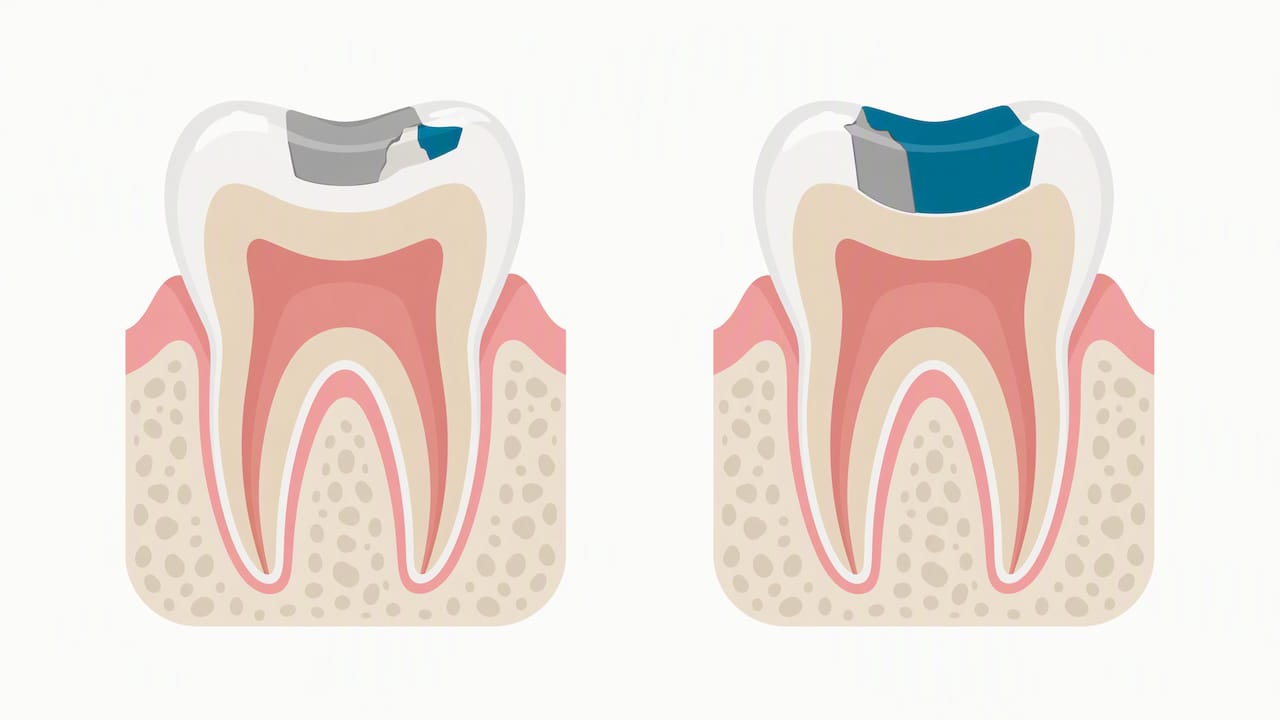
Repair means correcting a localized defect, such as patching a small chip or sealing a marginal gap, without removing the entire restoration. Replacement means taking out the old filling completely and placing a new one. Conservative dentistry favors repair whenever the problem is contained, because it preserves more of your natural tooth.
Dentists typically weigh:
- How extensive the defect is and whether it’s confined to one area
- Whether secondary decay is present and how far it extends
- The condition of the margins where filling meets tooth
- How much healthy tooth structure remains
- Your individual caries risk and any esthetic concerns
Repairing a defective restoration is a validated, conservative option in many cases. It preserves more of the tooth and can sometimes be done without anesthesia, at lower cost than a full replacement.
Pro Tip: Ask your dentist whether a repair is clinically appropriate before agreeing to a full replacement, especially for a small, localized defect.
What happens when a filling gets replaced
Before any work begins, your dentist examines the tooth, takes bitewing X-rays to check for hidden decay, and walks you through the options so you can decide together.
The appointment itself typically includes:
- Local anesthesia to numb the area
- Removal of the old filling material and any decay underneath
- Placement of the new filling material, or a crown or onlay if the tooth is too damaged for a standard filling
- A bite check and adjustment so the new restoration feels even
- Polishing to smooth the surface
Most straightforward replacements take under an hour. Mild sensitivity to temperature or pressure for a few days to a couple of weeks is common and usually fades on its own. If decay has reached the tooth’s nerve, your dentist may discuss root canal treatment rather than a routine filling; retreatment in these cases carries a reasonable chance of saving the tooth. Call your dentist if pain worsens, you notice swelling, or the bite still feels wrong after a week.
Choosing a replacement material: what to weigh
Material choice depends on the tooth’s location, the size of the restoration, and what matters most to you: appearance, durability, or how much tooth structure needs to be removed.
- Amalgam holds up well in back teeth under heavy chewing force but is more visible than tooth-colored options
- Direct composite blends with natural tooth color and works well for small to moderate restorations
- Glass ionomer releases fluoride and suits certain pediatric or root-surface cases
- Porcelain or ceramic inlays and onlays offer strength and esthetics for larger defects but require more lab time and tooth preparation
The FDA advises against electively removing intact amalgam fillings, recommending removal only when there is a clinical reason to do so. Systematic review evidence also suggests composite restorations may fail or develop secondary caries at higher rates than amalgam in some studies, though the quality of that evidence is mixed. When a restoration covers multiple surfaces or the remaining tooth structure is thin, a crown or onlay is often a more durable choice than another direct filling, and if decay has reached the nerve, a root canal may come before any new restoration.
Protecting your fillings between checkups
Simple daily habits extend the life of any restoration. Brush with fluoride toothpaste, clean between teeth daily, and limit frequent sugar exposure that feeds decay-causing bacteria. Smoking also affects gum and overall oral health, which indirectly shortens restoration lifespan.
- Wear a nightguard if you grind your teeth, since bruxism is a common cause of fracture
- Keep routine checkups with bitewing X-rays so small problems are caught early
- Mention any new sensitivity or rough spots at your next visit rather than waiting
Catching an issue early is often what makes repair possible instead of full replacement. If you already use a nightguard or similar appliance, custom-fit options ordered online are one way to keep a spare on hand between dental visits.
Our approach to assessing and treating older fillings
We start every evaluation with a clinical exam and X-rays, because restoration problems are often invisible until we look closely. When a defect is localized, we favor repair over replacement to preserve as much of your natural tooth as possible. Our team builds a tailored treatment plan for each patient, and for anyone anxious about dental visits, sedation options can be offered to make the appointment more comfortable. Implant-level precision procedures can also be supported by robot-assisted technology.
What patients get wrong about replacing fillings
The biggest misconception we hear is that a filling needs replacing simply because of its age. An intact, well-sealed filling with no decay or damage doesn’t need to come out on a schedule. The better approach is a conversation with your dentist at each checkup: ask whether your X-rays show any changes at the margins, whether a repair would suffice if something is found, and what your personal caries risk looks like. Regular exams, not a fixed timeline, should drive the decision.
— Towne Dental
How we can help with filling repair or replacement
If you’re noticing sensitivity, a rough edge, or you just can’t remember the last time your fillings were checked, a full evaluation that includes an exam and X-rays can help determine what’s going on. From there, you can learn whether a conservative repair or a full replacement makes sense, and sedation options are available for patients who feel anxious about dental work.

What this looks like in practice:
- A diagnostic visit with X-rays to check for decay or marginal breakdown
- A repair-first conversation when the defect is localized
- Restorative replacement, including crowns or onlays, when more tooth structure needs protecting
- Sedation options if dental visits make you nervous
Bring a list of any symptoms you’ve noticed and your current medications when you come in. You can see the full range of general dentistry and restorative services we offer, or book an appointment to get your fillings checked.
This article is general information, not a substitute for advice from a qualified doctor. Consult a qualified healthcare professional about your own circumstances before acting on anything here.
FAQ
Can a dentist take out a filling and replace it?
Yes, removing an old or failing filling and placing a new restoration is a routine procedure. Your dentist numbs the area, removes the old material along with any decay, and places new filling material or a crown depending on how much tooth structure remains.
How do I know if my amalgam fillings are leaking?
Leaking fillings often show up as dark staining at the edges, new sensitivity to temperature, or decay visible on a bitewing X-ray, though you may not feel anything at all. A dental exam with X-rays is the most reliable way to check, since the FDA notes that removal is only recommended when there’s a clinical reason for it.
How painful is replacing a filling?
Replacing a filling is done under local anesthesia, so the procedure itself typically causes little to no pain. Mild sensitivity to temperature or pressure for a few days afterward is common and usually resolves on its own.
Do old amalgam fillings need to be replaced?
Not automatically. The FDA advises against electively removing intact, functioning amalgam fillings, recommending replacement only when there’s clinical evidence of decay, leakage, or damage.
What usually causes a filling to need replacement?
The most common reason is secondary decay forming under or around the edges of the old filling. Fracture, wear, and marginal leakage are other frequent causes, and larger fillings covering multiple surfaces tend to fail more often than smaller ones.
Sources
- Information for patients about dental amalgam fillings — FDA
- When a filling needs to be replaced — JADA
- Placement, replacement and longevity of composite resin-based restorations in permanent teeth — PMC
- Direct composite resin fillings versus amalgam fillings for permanent or adult posterior teeth — PubMed