Call your dental office right now and describe what happened. If you found the filling, save it in a small container. Rinse your mouth with warm water, avoid chewing on that side, and use dental wax or an over-the-counter temporary filling kit only as a stopgap. Do not treat any home fix as a replacement for professional care.
TL;DR:
- Most loose fillings are painless and can generally wait a few days for professional repair unless accompanied by swelling, fever, or persistent pain.
- Immediate steps include calling your dentist, rinsing with salt water, avoiding chewing on the affected side, and using over-the-counter temporary filling material or wax.
- Do not attempt home repairs with glue or adhesives, as these can cause further damage and complicate permanent restoration.
- Severe pain, swelling, or signs of infection require urgent care, as bacteria can rapidly worsen the condition and lead to more extensive treatment.
- Dentists typically opt for repair over replacement when possible, reserving full removal or crowns for cases with significant decay or structural damage.
Table of Contents
- How Do You Know a Filling Fell Out?
- What to Do in the First Hours After a Filling Falls Out
- Safe Temporary Fixes You Can Actually Use
- Is a Lost Filling a Dental Emergency?
- What Your Dentist Will Actually Do: Repair, Replace, or Root Canal
- What to Expect When You Call and Show Up
- Towne Dental’s Approach to a Lost Filling
- Get Your Tooth Seen Today
- Where This Guidance Comes From
- Sources
- FAQ
How Do You Know a Filling Fell Out?
Most people notice a lost filling because their tongue finds a rough new hole where a smooth tooth used to be. Run your tongue along the tooth and you’ll usually feel a pit or a sharp lip of enamel where the filling material used to sit.
A few signs separate a lost filling from a chipped tooth or a loose crown:
- A visible dark hole or gap in a tooth that previously had a repair, often on a molar or premolar you can see in a mirror with your mouth open wide.
- A rough or jagged edge that catches on your tongue, lip, or cheek and sometimes causes small cuts.
- New sensitivity to hot, cold, or sweet foods in that specific tooth, since the dentin underneath is now exposed.
- A change in how your bite feels, especially if the filling was on a chewing surface and food now gets stuck differently.
- Sharp pain when biting down, which can mean the exposed area is deeper than it looks.
If you notice swelling in your face or gums, a fever, or pain that throbs and keeps you up at night, that’s not a routine lost filling anymore. That combination points toward infection, and it needs same-day attention.
What to Do in the First Hours After a Filling Falls Out
The first hour matters less for the tooth itself and more for keeping you comfortable and avoiding complications until you’re seen. Work through these steps in order.
- Call your dental office immediately, even if it’s after hours. Tell them your tooth hurts, whether you found the filling, your pain level on a scale of one to ten, and whether you see swelling. Offices train front desk staff to prioritize appointments based on exactly these triage details, so specifics get you seen faster.
- Rinse gently with warm salt water to clear out food debris without disturbing the exposed area further.
- Avoid chewing on that side and stick to a soft diet: yogurt, eggs, soup, mashed potatoes.
- Do not probe the hole with a toothpick, fingernail, or anything sharp. You can push debris deeper or irritate the nerve.
- Save the filling if it’s intact. Rinse it, wrap it in a damp tissue or place it in a small container, and bring it with you. Dentists sometimes reuse or reference the original material.
- Take an over-the-counter pain reliever like ibuprofen or acetaminophen if you’re in pain, following the package directions. Avoid placing aspirin directly on the gum, which can burn soft tissue.
- Apply light pressure with gauze only if there’s any bleeding from a sharp edge cutting your cheek or tongue.
Pro Tip: Write down when the pain started and what triggers it (cold water, biting, nothing at all). That single detail helps your dentist figure out how deep the problem goes before you even sit in the chair.
If a filling fell out and your tooth hurts after the filling fell out, that pain level itself is useful triage information. Sharp, brief pain from cold air is common and less urgent. A deep, constant ache is a different story.
Safe Temporary Fixes You Can Actually Use
Pharmacy shelves carry dental first-aid kits for exactly this situation, and they work fine as short-term protection.
- OTC temporary filling material (often a soft, moldable putty) can be pressed into the cavity to cover the exposed area and reduce sensitivity for a few days.
- Dental wax, the same kind used for braces, can be shaped over a sharp edge to stop it from cutting your cheek or tongue.
- Sugar-free gum works in a genuine pinch to plug a hole temporarily, but regular gum with sugar feeds bacteria in exactly the spot you’re trying to protect.
- Clove oil dabbed lightly on the area (not soaked) can numb minor discomfort, though it won’t fix anything structurally.
Here’s what never belongs anywhere near your mouth: superglue, household epoxy, nail polish, or any adhesive not made for dental use. Practitioners consistently warn that these products can burn soft tissue, react badly with existing dental materials, and make the tooth harder to repair once you finally see a professional.
None of these options replace real treatment. OTC kits and pharmacist advice manage symptoms for a matter of days, not the life of your tooth, and a dental evaluation is still required to restore it permanently.
Is a Lost Filling a Dental Emergency?
Not always, but it can turn into one fast. A filling that fell out cleanly, with no pain and no visible damage beyond the missing material, usually holds until you can get a regular appointment within a few days. The ADA notes that most dental offices reserve emergency slots daily and want you to call even when pain is minimal.
These signs mean you need same-day or urgent care, not a routine booking:
- Severe, throbbing pain that doesn’t respond to over-the-counter medication.
- Visible swelling in the face, jaw, or gums near the affected tooth.
- Fever combined with tooth pain, which can signal a spreading infection.
- Spreading redness or a bad taste that suggests drainage from an abscess.
- Pain that gets worse over 24 to 48 hours instead of settling down.
Left untreated, an exposed tooth doesn’t just sit there waiting. Bacteria reach the dentin faster once the protective filling is gone, and JADA’s review on restoration failure shows this exposure raises the risk of decay progression, pulp infection, and eventually the need for a root canal or extraction if it goes unaddressed long enough.
What Your Dentist Will Actually Do: Repair, Replace, or Root Canal
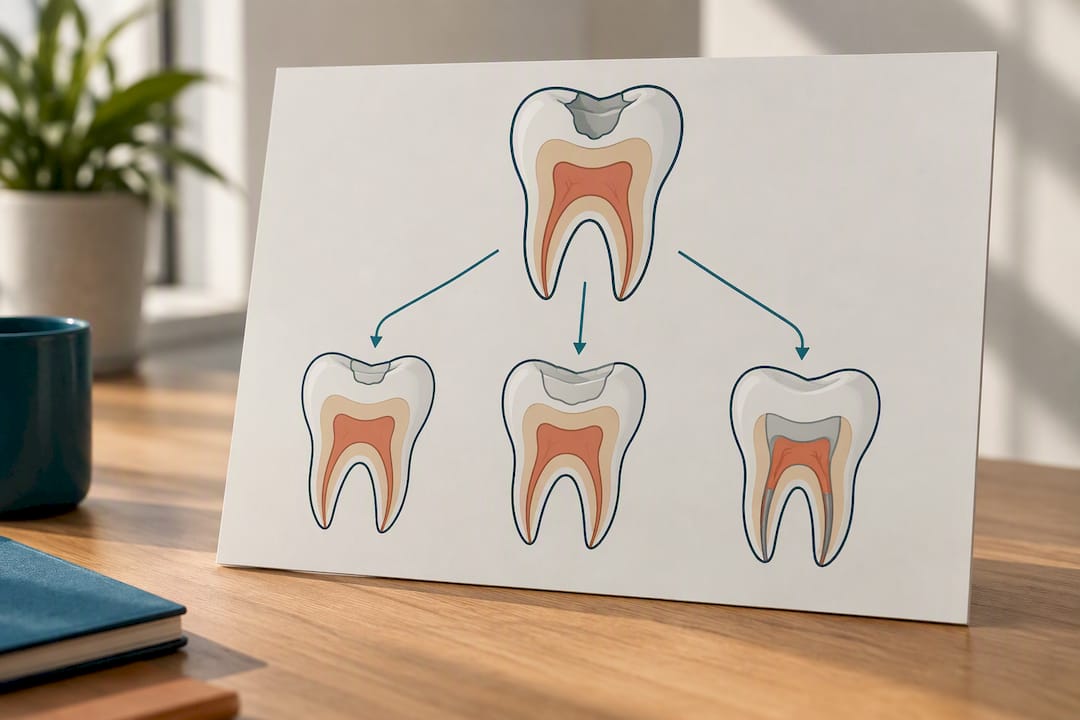
The dentist starts by looking, then feeling, then imaging. A visual exam, an explorer probe along the margins, and often a small X-ray tell them whether decay has crept in underneath or beside the old filling site.
From there, treatment splits into a few paths:
- Simple repair. If the surrounding tooth structure is sound and the cavity is small, the dentist cleans it, conditions the surface, and places new filling material. FDI operative dentistry guidance increasingly favors this repair-first approach because it preserves natural tooth tissue rather than removing more of it.
- Full replacement. When a clinical study found signs like softened dentin, cracked margins, or visible secondary decay, monitoring isn’t enough. The old material comes out, the decay gets cleaned out, and a new filling goes in.
- Crown placement. If enough of the tooth’s structure is compromised, especially on a back molar that takes heavy bite force, a crown protects what’s left and prevents a future fracture.
- Root canal referral. When decay or infection has reached the pulp (the nerve inside the tooth), the dentist refers for endodontic treatment before any permanent restoration goes back in.
Most visits start with a temporary seal to protect the tooth immediately, with the permanent fix scheduled once any deeper issue is confirmed or ruled out.
What to Expect When You Call and Show Up
Give the receptionist the essentials up front: which tooth, how long it’s been since the filling came out, your pain level, and whether you have swelling. That’s the same information triage protocols use to decide if you need a same-day slot.
At the appointment itself, expect:
- A quick exam and possibly an X-ray to check what’s happening beneath the surface.
- Immediate pain relief or a temporary seal if the permanent fix can’t happen that same visit.
- A clear explanation of whether you’re looking at a simple filling, a crown, or something more involved.
- A cost estimate before any work begins, since repair and replacement pricing varies depending on materials and complexity.
Ask directly whether repair or full replacement makes more sense for your specific tooth, and what the follow-up plan looks like if sensitivity lingers after treatment.
Towne Dental’s Approach to a Lost Filling
Most lost fillings don’t need dramatic intervention, and treating every one like a crisis does patients a disservice. The clinic leans toward repair over replacement whenever the surrounding tooth structure supports it, because removing sound enamel and dentin that doesn’t need to come out is a cost patients pay for the rest of that tooth’s life.
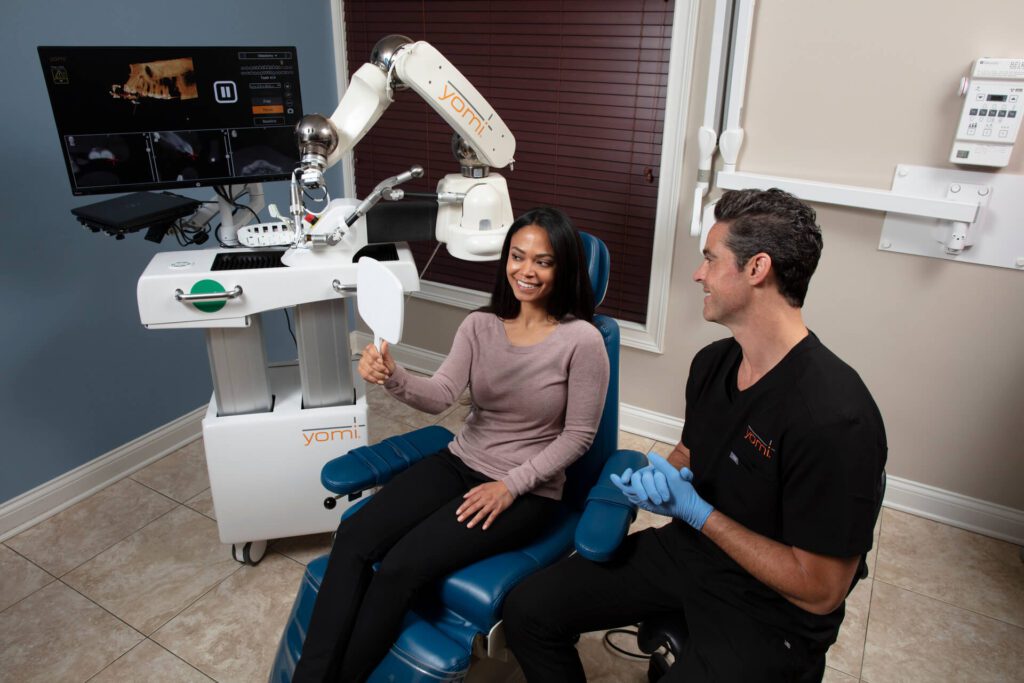
That said, conservative doesn’t mean casual. When a patient calls describing a sharp edge, throbbing pain, or visible swelling, that call gets treated differently than a report of a smooth, painless gap. Emergency slots exist for a reason, and the questions asked on the phone determine how fast someone gets seen. A practice that pairs advanced tools like the Yomi Robot for implant precision with straightforward, low-drama triage for something as common as a lost filling understands that most dental anxiety comes from uncertainty, not the procedure itself. Clear answers, given quickly, do more for a nervous patient than any piece of equipment.
— Towne Dental
Get Your Tooth Seen Today
A lost filling left unattended for a week can turn into a lost weekend of pain, or worse, a root canal that a same-day repair could have avoided. The clinic keeps emergency appointment slots open specifically for situations like this, so you’re not stuck waiting days while a rough edge cuts your cheek or sensitivity gets worse.

Call the office and tell them what you’re dealing with: which tooth, how long ago the filling came out, and your current pain level. That’s the same information the front desk uses to get you into an emergency dentistry appointment as fast as possible. If your evaluation points toward a full restoration, crown, or root canal, Towne Dental’s general dentistry and endodontics teams handle the definitive treatment under one roof, so you’re not bounced between offices while your tooth stays exposed. Book online or call now to get a same-day evaluation on the calendar.
Where This Guidance Comes From
Clinical recommendations here draw on ADA emergency treatment guidance, a JADA review on restoration failure risk, NIDCR patient information on filling materials, and FDI operative dentistry protocols on repair versus replacement.
This article is general information, not a substitute for advice from a qualified doctor. Consult a qualified healthcare professional about your own circumstances before acting on anything here.
Sources
- When a filling needs to be replaced | JADA
- Dental fillings | NIDCR
- FDI / operative dentistry guidance on repair vs replacement (PMC)
- Clinical indicators for replacement of restorations (PMC)
FAQ
How Long Can I Leave a Lost Filling Untreated?
A day or two with no pain or swelling is usually low risk, but waiting longer raises the chance that exposed dentin lets bacteria reach the tooth’s inner layers. The ADA advises calling your dental office promptly even without pain, since problems can progress silently.
Is Sensitivity Normal Months After Getting a Filling?
Mild sensitivity to cold that fades within a few weeks after a filling is common, but sensitivity that persists or intensifies months later usually isn’t. That pattern can point to a filling that’s cracked, leaking, or sitting close to the nerve, and it’s worth a follow-up exam rather than waiting it out.
How Do You Treat a Lost Filling at Home?
Rinse with warm salt water, avoid chewing on the affected side, and cover any sharp edge with dental wax or an OTC temporary filling kit from the pharmacy. These measures manage symptoms for a few days only; they don’t replace a dental visit to restore the tooth properly.
Is Pain Three Days After a Filling Normal?
Some lingering sensitivity at three days can be normal, especially with deep fillings close to the nerve, but pain that’s worsening rather than improving is a warning sign. If it throbs, keeps you awake, or comes with swelling, that combination warrants a call to your dentist rather than more waiting.