Most chipped teeth can be repaired, and bringing any broken fragment with you to a dentist gives you the best shot at a conservative fix. The American Association of Endodontists recommends prompt evaluation after any dental trauma, and simple bonding often costs far less than a crown or implant. Call your dental office now: many practices hold same-day slots open for exactly this situation.
TL;DR:
- Prompt evaluation within the first hour is crucial, especially if bleeding, pulp exposure, or a large fragment is visible, to prevent infection and optimize repair options.
- Small to moderate chips are best treated with bonding or fragment reattachment in a single visit, preserving natural tooth structure and ensuring a natural appearance.
- Larger fractures requiring crowns or veneers typically need two visits, while root fractures or nerve involvement often require root canal therapy followed by crowns or extraction.
- Costs vary from low with composite bonding to high for implants, and insurance coverage depends on the procedure’s urgency and complexity, so pre-authorization is advisable.
- Quick, proper care and avoiding DIY repairs are essential to prevent further damage, bacteria entry, or needing more invasive procedures like root canals or extractions.
Table of Contents
- Immediate steps: safe first aid and triage for a chipped tooth
- How dentists evaluate the chip: enamel, dentin, and pulp involvement
- Repair options, pros and cons, and how many visits each takes
- Costs and timeline: what to expect and how insurance fits in
- Prognosis, maintenance, and preventing repeat damage
- When calling about a chipped tooth, it is important to prioritize same-day triage so a cracked or broken tooth doesn’t sit untreated while pain or sensitivity builds. The first move is almost always the most conservative one available: fragment reattachment or bonding when the damage allows it, and referral to endodontic or oral surgery care when the nerve or root is involved.
- Clinical perspective: favor conservative preservation first
- Get same-day care for a chipped or broken tooth
- FAQ
- Sources
Immediate steps: safe first aid and triage for a chipped tooth
What you do in the first hour shapes your treatment options. Rinse your mouth gently with warm water to clear debris, then press clean gauze against any bleeding without probing the broken area with your tongue or fingers.
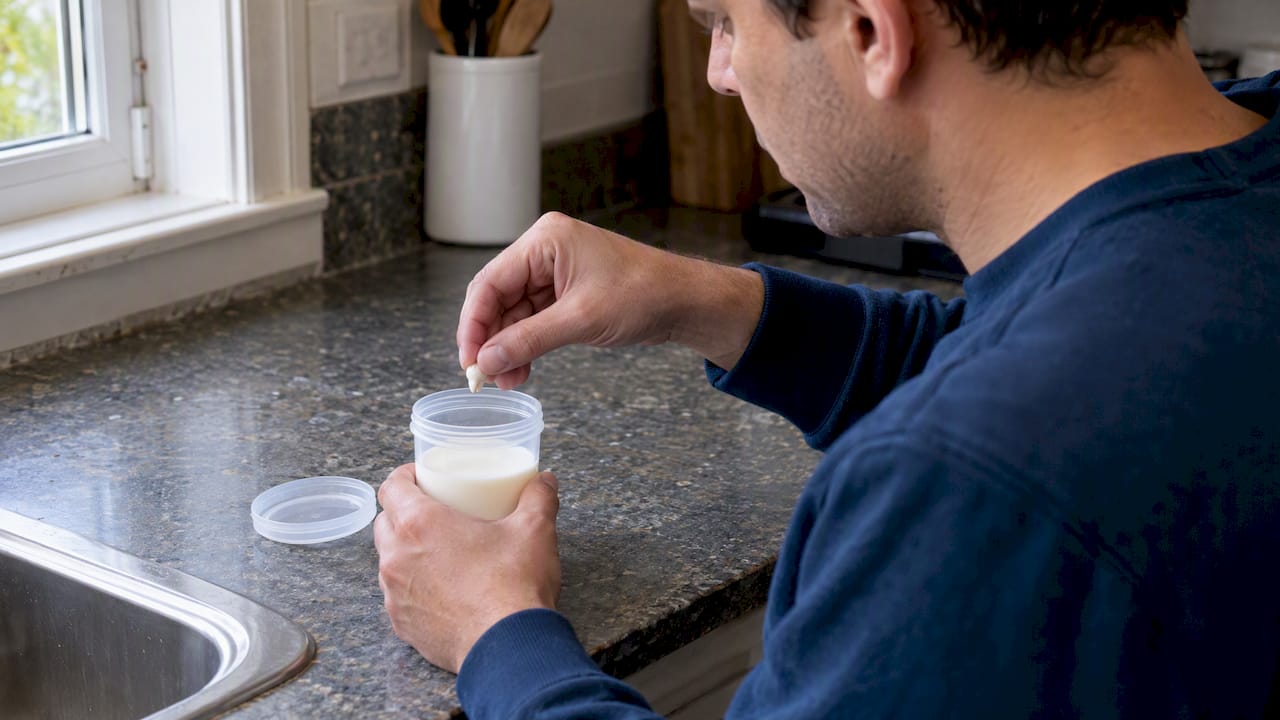
If you can find the broken piece, keep it wet. A dry fragment loses cells needed for a strong bond, so store it in milk or your own saliva. Rehydrating a dried fragment in saline or plain water for a short time before your appointment can improve how well it bonds back on.
- Skip numbing gels on raw gum tissue; they can irritate exposed nerve endings further.
- Use an over-the-counter pain reliever and a cold compress against your cheek to manage swelling.
- Call for same-day care if you see pink or red tissue in the tooth (possible pulp exposure), heavy bleeding, severe pain, a loose tooth, or a large missing piece.
The ADA’s MouthHealthy guidance echoes this: rinse, control bleeding, keep any displaced tooth structure moist, and get seen quickly rather than waiting out the pain.
Pro Tip: Store a rinsed fragment in a small container of milk, not a dry tissue or napkin, on the drive to the dentist.
How dentists evaluate the chip: enamel, dentin, and pulp involvement
A dentist’s first job is figuring out how deep the damage goes, because that depth determines everything else. An enamel-only chip is a cosmetic concern. Dentin exposure means the softer layer under enamel is open to air and bacteria, which often causes sensitivity. A complicated crown fracture reaches the pulp, exposing the nerve and blood supply. A crown-root fracture extends below the gumline and carries a worse prognosis.
To sort these out, a dentist typically works through:
- A visual and tactile exam to gauge the size and depth of the break.
- X-rays to check for root involvement or bone damage not visible to the eye.
- Pulp vitality testing to see whether the nerve is still alive and responsive.
- A test fit of the fragment, if you brought one, to confirm it still matches the tooth.
Most enamel and dentin-level chips stay within a general dentist’s scope. When pulp exposure or a root fracture shows up, referral to an endodontist or oral surgeon becomes likely.
Repair options, pros and cons, and how many visits each takes
Treatment choice follows directly from that assessment. Here’s how the main options compare.
- Dental bonding or composite filling: best for small to moderate chips, finished in one visit, and the most budget-friendly route, though the material can wear and need touch-ups over time.
- Fragment reattachment: the most conservative and natural-looking option when the broken piece is available and fits well. Clinical literature on fragment reattachment techniques shows it can restore meaningful fracture resistance and is increasingly treated as the first choice when the fragment is usable, especially with preparation methods like an internal groove that add strength.
- Veneers, composite or porcelain: suited to larger front-tooth fractures or chips affecting appearance. Composite veneers are faster and repairable chairside; porcelain lasts longer but requires a lab and more tooth preparation.
- Crowns, traditional or same-day digital: necessary when too much of the tooth’s structure is gone to support a filling or veneer. Traditional crowns take two visits with a temporary in between; same-day digital crowns use in-office milling to finish in one visit.
- Root canal therapy: required when the fracture reaches the nerve. This is usually paired with a crown afterward to protect the weakened tooth.
- Extraction and replacement with an implant or bridge: the last resort when a tooth is too damaged to save, carrying a longer timeline and a higher total cost than any repair above.
Clinicians at Northwell Health specifically warn against attempting any of these repairs yourself, since improvised fixes can trap bacteria or worsen the fracture before a dentist ever sees it.
Costs and timeline: what to expect and how insurance fits in
Cost tracks directly with how much work each option involves. Simple composite bonding sits at the low end, veneers and crowns run in the mid range once lab fees and material choice are added, and implants cost the most because they involve surgery, healing time, and a separate restoration phase.
One useful planning note: the American Association of Endodontists points out that insurance reimbursement pressures can affect what a plan actually covers, so it pays to confirm your benefits before you assume a repair is included.
- Ask your insurer directly about procedure codes like D2330 (resin-based composite, one surface), D2930 (prefabricated crown), or D2750 (porcelain crown) so you know exactly what’s being billed.
- Expect cosmetic-only procedures to face tighter coverage limits than repairs tied to decay or trauma.
- Ask whether your plan requires preauthorization before a crown or implant, since skipping this step can delay reimbursement.
Appointment patterns follow the same logic as cost. Bonding and fragment reattachment often finish in a single same-day visit. Crowns and porcelain veneers typically need two visits spaced a week or two apart. Implant workflows stretch over months to allow for healing between surgical stages. For a sense of what emergency visits run before any restorative work begins, see our emergency dental cost breakdown.
Prognosis, maintenance, and preventing repeat damage
How long a repair lasts depends on the material and how you treat it afterward. Composite bonding typically holds up for 5 to 10 years with variable results depending on bite force and care, while porcelain veneers and crowns tend to last a decade or more with regular maintenance. Implants are built for the long term once they’ve integrated with the bone.
Watch for signs that a repair is failing: growing sensitivity, new pain, visible darkening around the restoration, a loose feeling, or a fresh crack. Any of these warrants a prompt return visit rather than a wait-and-see approach.
- Wear a night guard if you grind your teeth, since clenching is a common cause of bonding and veneer failure.
- Avoid biting ice, pens, or fingernails, all common culprits behind repeat chips.
- Keep up with routine cleanings and checkups so small issues get caught before they become fractures.
Pro Tip: If you already grind at night, ask about a custom night guard before your bonding appointment, not after it fails. Our guide on night guards for grinding covers what to expect from a custom fit.
When calling about a chipped tooth, it is important to prioritize same-day triage so a cracked or broken tooth doesn’t sit untreated while pain or sensitivity builds. The first move is almost always the most conservative one available: fragment reattachment or bonding when the damage allows it, and referral to endodontic or oral surgery care when the nerve or root is involved.
For cases that need more than a repair, definitive restoration options include crowns and veneers. When contacting a dental provider, it helps to have your fragment in a sealed container, your insurance information on hand, and a clear description of your symptoms so the team can schedule you appropriately.
Clinical perspective: favor conservative preservation first
Given the choice, we favor saving what’s already there. A well-fitted fragment or a careful bonding job preserves more natural tooth structure and usually looks better than jumping straight to a crown.
Waiting rarely helps. Delay gives bacteria more time to reach the pulp, which can turn a simple bonding appointment into a root canal. Most chips, handled promptly, are straightforward to fix. There’s rarely a reason to panic, but there’s also rarely a reason to wait.
— Towne Dental
Get same-day care for a chipped or broken tooth
A chipped tooth is one of the more manageable dental emergencies when you get in quickly, and we keep same-day evaluation slots open for exactly that reason. Whether your situation calls for bonding, a fragment reattachment, or a referral for root canal and endodontic care, we walk you through the realistic options rather than defaulting to the most expensive one.
Before you call, a few things speed up your visit:
- Keep the broken fragment in milk or saliva in a sealed container.
- Have your insurance plan details ready so we can check your coverage upfront.
- Describe your symptoms clearly: location, pain level, and whether you can see any pink tissue in the chip.
If dental anxiety is part of what’s holding you back, we offer sedation options alongside our cosmetic dentistry and restorative services, so comfort doesn’t have to be a tradeoff for getting fixed properly. Request an emergency evaluation today and let’s get your tooth looked at before it becomes a bigger problem.
This article is general information, not a substitute for advice from a qualified doctor. Consult a qualified healthcare professional about your own circumstances before acting on anything here.
FAQ
How much does it cost to fix a chipped tooth?
Cost depends entirely on severity: simple composite bonding sits at the low end, veneers and crowns cost more because of lab and material work, and implants cost the most due to surgery and healing time. For a sense of emergency visit costs before restorative work begins, see our emergency dental cost guide.
Can a chipped tooth be fixed?
Yes, most chipped teeth are repairable through bonding, fragment reattachment, veneers, crowns, or, when the nerve is involved, root canal therapy followed by a crown. The right option depends on how deep the chip goes and whether the original fragment is available.
Can I wait two weeks for a chipped tooth?
It depends on the depth of the chip. The AAE recommends prompt evaluation after any dental trauma, and waiting on a chip with visible pink tissue or sharp pain raises the risk of infection or needing a root canal that a same-day repair might have avoided.
Can I fix a chipped tooth on my own?
No. Clinicians at Northwell Health specifically advise against DIY repairs, since improper self-treatment can trap bacteria, worsen the fracture, or damage the fragment beyond what a dentist can reattach. A sharp edge from a chip is also worth addressing right away; see our guide on handling a sharp broken tooth edge for what to do while you wait for your appointment.
Sources
These sources back the emergency timing, treatment selection, and reattachment guidance in this guide: the AAE’s trauma guidelines on urgent evaluation, ADA/MouthHealthy’s emergency steps, a peer-reviewed review on fragment reattachment techniques, and practical treatment comparisons from Northwell Health and Clayton Dental Studio.
- Traumatic Dental Injuries – American Association of Endodontists
- Dental Emergency – MouthHealthy (ADA)
- Clinical review: fragment reattachment and adhesive techniques (PMC)
- Broken tooth treatment – The Well by Northwell