A gingivectomy is a dental procedure that removes excess or diseased gum tissue to reduce pocket depth, improve access for cleaning, or reshape a gummy smile. Most patients heal within 2 to 4 weeks, with noticeable improvement in the gum line within the first week. It can be done with a scalpel, laser, or electrocautery, depending on the case.
TL;DR:
- Laser gingivectomy offers significantly less bleeding and pain during and after the procedure compared to scalpel surgery, with similar long-term results.
- For medication-induced gum overgrowth, changing the drug or improving plaque control often resolves the issue without surgery, but tissues may recur if root causes persist.
- Healing generally takes 2 to 4 weeks, with proper oral hygiene, soft foods, and follow-up care being crucial to prevent complications or recurrence.
- Costs vary based on treatment extent and technique, with insurance coverage often limited to medically necessary procedures rather than cosmetic reshaping.
- Patients with deep pockets or significant bone loss typically need flap surgery rather than a gingivectomy, and smokers or uncontrolled diabetics face higher healing risks.
Table of Contents
- What is a gingivectomy, and why would you need one
- Scalpel, laser, or electrocautery: what the technique changes for you
- What happens during a gingivectomy appointment
- Recovery timeline and how to take care of your gums afterward
- Risks, complications, and keeping the problem from coming back
- What a gingivectomy typically costs and how insurance factors in
- Can gum overgrowth be managed without surgery first
- Warning signs that mean you should call your dentist
- Towne Dental’s approach to gum and periodontal care
- How long gingivectomy results actually last
- Gingivectomy versus gingivoplasty and flap surgery
- Who is a good candidate for a gingivectomy
- Weighing conservative care against surgery
- Ready to talk to someone about your gums
- Sources
- FAQ
What is a gingivectomy, and why would you need one
A gingivectomy removes excess, overgrown, or diseased gum tissue to create a healthier contour around the teeth. The goal is usually twofold: eliminate periodontal pockets where bacteria collect, and give you a gum line that is easier to keep clean with normal brushing and flossing.
You might be referred for a gingivectomy if you have one of these situations:
- Gum overgrowth caused by certain medications, sometimes called drug-influenced gingival enlargement.
- Periodontal pockets that have not responded to nonsurgical cleaning.
- A gum line that needs reshaping before a crown, bridge, or orthodontic work can be completed properly.
- A “gummy smile” where excess tissue covers more tooth than you would like cosmetically.
General dentists can perform simple gingivectomies, but periodontists, who specialize in gum and bone tissue, typically handle more extensive cases or ones tied to active periodontal disease. The American Academy of Periodontology notes that periodontists are trained specifically to shape gum contours in a way that stays maintainable over time, which lowers the odds of the problem coming back.
Scalpel, laser, or electrocautery: what the technique changes for you
Three tools accomplish the same basic goal, removing tissue, but they feel different to the patient and heal somewhat differently.
- Scalpel surgery is the traditional approach: precise cuts, reliable tissue margins, but typically more bleeding during the procedure.
- Diode laser gingivectomy uses focused light energy to vaporize tissue while sealing small blood vessels as it goes.
- Electrocautery uses heat from an electrical current to cut and control bleeding simultaneously, which works well for bulkier overgrowth.
A systematic review comparing diode laser to conventional scalpel surgery in orthodontic treatment-induced gingival enlargement found significantly lower intraoperative and postoperative bleeding and pain with the laser approach, though the number of trials was limited.
A review of laser versus scalpel trials found consistently lower pain and bleeding scores with laser gingivectomy, while long-term measures like probing depth and relapse rate showed no meaningful difference between techniques, according to comparative trial data. In other words, the tool affects your comfort during healing more than your long-term result. Scalpel work may still need sutures; laser and electrocautery usually do not, though charring from either can slow the earliest stage of healing if not managed carefully. Operator experience and proper case selection matter as much as the device itself.
What happens during a gingivectomy appointment
Before any cutting happens, your dentist or periodontist reviews your health history, current medications, and imaging, and usually performs scaling and root planing first to reduce inflammation. You will sign a consent form once you understand the goals, risks, and alternatives.
On the day of the procedure, here is the general sequence:
- Local anesthesia numbs the treatment area; some patients combine this with mild sedation if anxiety is a concern.
- The dentist marks the tissue to be removed, often using a special marking instrument called a pocket marker.
- Excess or diseased tissue is excised with a scalpel, laser, or electrocautery device.
- Bleeding is controlled through pressure, cautery, or laser sealing, depending on the method used.
- A protective periodontal dressing may be placed over the area to shield it while it heals.
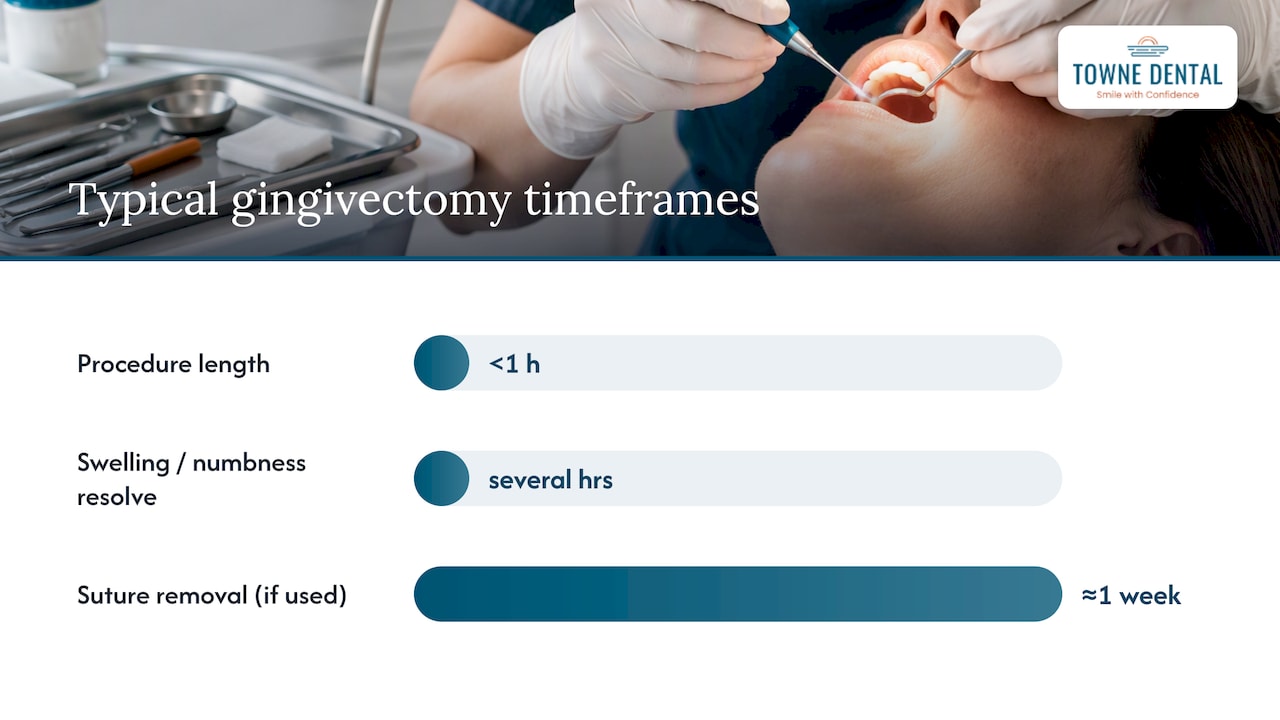
Most gingivectomies take under an hour, and many patients only need one visit unless multiple areas of the mouth require treatment, in which case your provider may stage the work across appointments. Scalpel procedures sometimes require sutures and a follow-up visit to remove them about a week later.
Pro Tip: Arrange a ride home if you are having sedation, and clear your schedule for the rest of the day since swelling and numbness take several hours to fully resolve.
If you want to understand what typically happens in the days leading up to a procedure like this, our page on what to expect before dental surgery covers preparation in more detail.
Recovery timeline and how to take care of your gums afterward
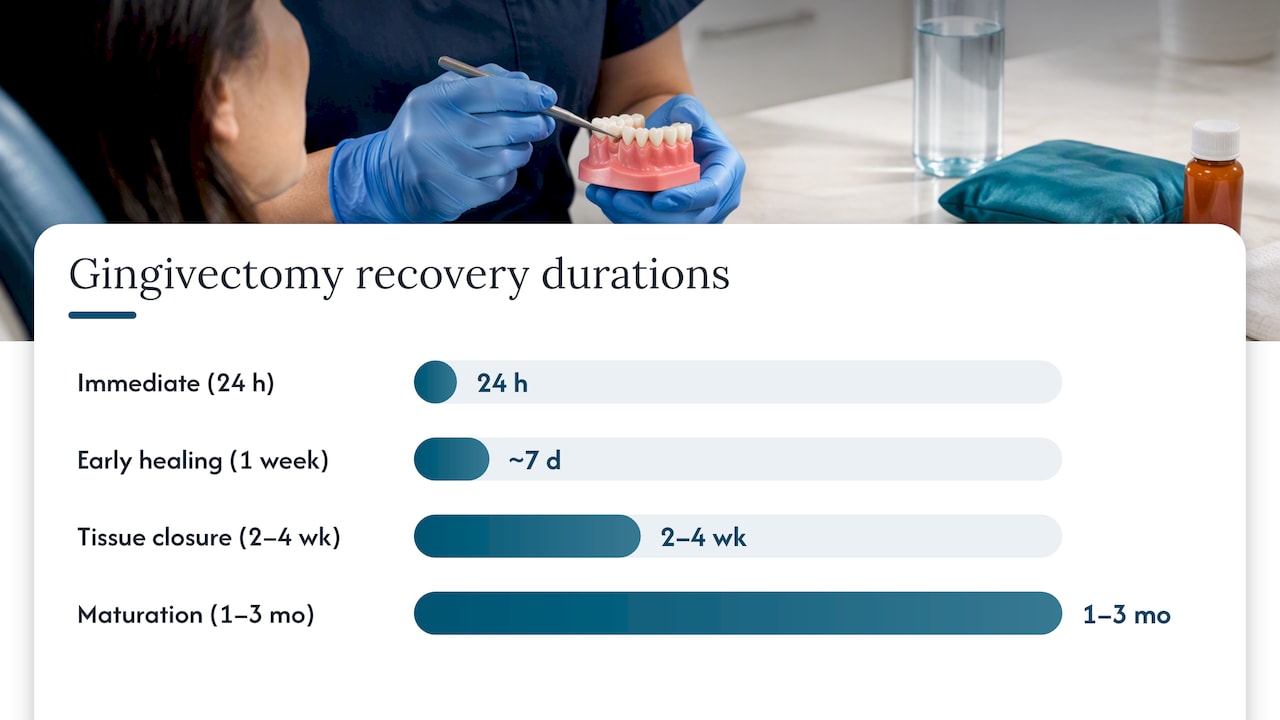
Expect mild soreness and some oozing for the first 24 hours, improving steadily from there. Most of the visible healing, new epithelial tissue covering the wound, happens within 2 to 4 weeks, though the gum tissue continues to mature and firm up for a few months after that.
Over-the-counter pain relievers usually control discomfort, and your provider may prescribe an antimicrobial rinse to limit bacterial buildup while the tissue is vulnerable. One randomized split-mouth trial found that applying low-level laser therapy after scalpel gingivectomy improved wound healing and patient-reported comfort at both day 7 and day 30 compared with sites that did not receive it, suggesting this adjunct can speed the process when it is available.
Practical care steps include:
- Avoid hard, crunchy, or spicy foods for about a week; stick to soft foods that do not require much chewing.
- Brush gently around the treated area and resume normal flossing once your provider confirms the site has closed.
- Skip strenuous exercise for 2 to 3 days to reduce swelling and bleeding risk.
- Keep your follow-up appointment, usually scheduled 1 to 2 weeks out, so your provider can check healing progress.
| Recovery stage | Timeframe | What to expect |
|---|---|---|
| Immediate | 24 hours | Mild bleeding, swelling, numbness wearing off |
| Early healing | First week | Soreness decreasing, soft diet recommended |
| Tissue closure | 2 to 4 weeks | Gum surface re-covered, normal hygiene resuming |
| Maturation | 1 to 3 months | Final contour and firmness settling in |
Our guide on things to do after oral surgery has additional day-by-day tips that apply well beyond implant cases.
Risks, complications, and keeping the problem from coming back
Most gingivectomies heal without incident, but a few complications are worth knowing about:
- Prolonged bleeding or oozing beyond the first day or two.
- Infection, marked by increasing pain, swelling, or foul taste.
- Delayed healing, more common in people who smoke or have uncontrolled diabetes.
- Temporary numbness or, less commonly, uneven gum contour that may need minor revision.
Gum overgrowth can return if the original cause is not addressed, whether that is a medication still being taken or ongoing plaque buildup along the gum line. Supportive periodontal maintenance, meaning regular cleanings and consistent home care, is what keeps results stable over time. When tissue loss is deep or bone involvement is suspected, your provider may recommend more extensive periodontal surgery instead of a repeat gingivectomy.
What a gingivectomy typically costs and how insurance factors in
Cost depends on how much tissue needs treatment, whether a periodontist or general dentist performs the work, the technique used, and whether sedation or facility fees apply. A single-tooth touch-up costs far less than full-arch reshaping.
A few practical points on paying for it:
- Dental insurance often classifies gingivectomy as a surgical periodontal procedure, which may fall under a different coverage tier than routine cleanings.
- Purely cosmetic gum reshaping, done for appearance rather than disease, is less likely to be covered.
- Ask your insurer about preauthorization before scheduling, since some plans require it for periodontal surgery.
- Request a written estimate at your consultation so you know your expected out-of-pocket cost before treatment begins.
Many practices, including ours, can walk through financing or payment options once your treatment plan is set.
Can gum overgrowth be managed without surgery first
Surgery is not always the first step. For gum overgrowth linked to certain medications, case reports describe complete resolution in some patients after switching to an alternative drug combined with repeated professional cleanings, though this evidence comes from a small number of documented cases rather than large trials.
Conservative steps worth trying first include:
- Rigorous plaque control through improved brushing technique and daily flossing.
- Professional scaling and root planing to remove buildup below the gum line.
- Antimicrobial mouth rinses to reduce bacterial load while tissue responds.
- A conversation with your prescribing doctor about whether an alternative medication exists, since changing drugs is a medical decision, not a dental one.
The American Dental Association notes that nonsurgical therapy is the standard starting point for most periodontal issues, with surgery reserved for cases that do not respond or where anatomic or cosmetic goals require tissue removal. Give conservative care several weeks to a few months to show results before concluding that surgery is necessary. Understanding periodontal pockets and why they are hard to clean at home can help explain why access matters for daily hygiene routines.
Warning signs that mean you should call your dentist
Contact your provider if you notice bleeding that will not stop with gentle pressure, fever, pain that worsens instead of improving, pus or a foul odor, numbness that persists beyond a day, or teeth that feel loose.
Have this ready when you call: the date of your procedure, any medications you are taking, and a clear description of your symptoms.
Towne Dental’s approach to gum and periodontal care
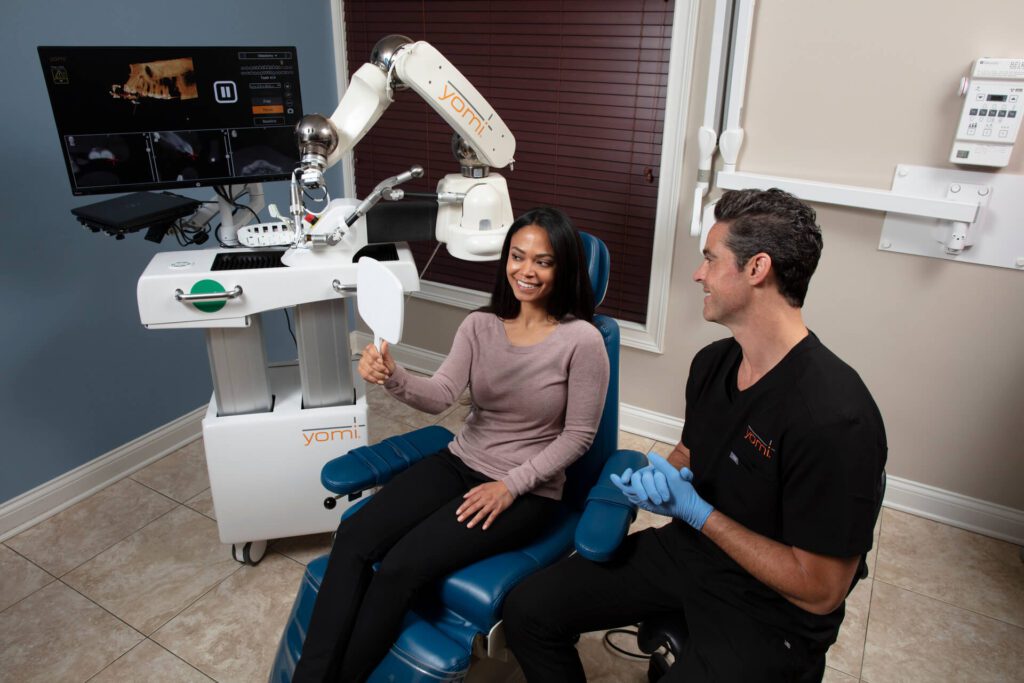
Periodontics and gum care are provided alongside oral surgery and sedation dentistry for patients who feel anxious about procedures like a gingivectomy. Some practices also offer robotic-assisted implants for cases that require tooth replacement, reflecting a focus on using precise technology where it benefits the patient. Treatment plans are typically built around each patient’s specific gum anatomy and goals rather than a one-size-fits-all protocol, whether the concern is disease control or a gummy smile. Our periodontics page outlines when a specialist consultation makes sense.
How long gingivectomy results actually last
A well-performed gingivectomy can meaningfully improve your ability to keep the treated area clean, since shorter pockets and better-contoured gums are easier to reach with a toothbrush and floss. That improved access is often what sustains the result over years rather than the surgery itself.
Long-term success depends heavily on what happens after the stitches come out, if there were any. Patients who stay consistent with brushing, flossing, and professional cleanings tend to keep their results, while those who let plaque control slip, or who remain on a medication that caused the original overgrowth, are more likely to see tissue build back up over time. Supportive periodontal therapy, meaning scheduled maintenance visits rather than a one-time fix, plays a central role in locking in the benefit.
It is worth setting realistic expectations from the start: gingivectomy treats the tissue that exists at the time of surgery, it does not change your underlying susceptibility to gum disease or your body’s response to a given medication. Think of it as resetting the gum line to a healthier starting point, with your daily habits determining whether that starting point holds.
Gingivectomy versus gingivoplasty and flap surgery
These three procedures sound similar but solve different problems. A gingivectomy removes tissue, typically to reduce pocket depth or eliminate overgrowth. Gingivoplasty reshapes gum tissue without necessarily removing much of it, often used purely for cosmetic contouring once the underlying disease is already controlled. The two are sometimes done together: tissue is removed first, then the remaining gum is sculpted into a natural-looking shape.
Flap surgery is a different category entirely. Instead of trimming tissue from the surface, the dentist lifts a section of gum away from the tooth and bone to clean deep pockets or repair bone defects directly, then sutures the gum back into place. Flap surgery is generally reserved for deeper bone loss that a gingivectomy cannot reach, since a gingivectomy only addresses tissue above the bone. If you are curious how gum reshaping compares to procedures aimed at the opposite problem, thinning or receding gums, our articles on gum contouring and gum recession treatment cover those situations directly.
Who is a good candidate for a gingivectomy
Good candidates typically have excess or overgrown gum tissue with shallow to moderate pocket depths, healthy underlying bone, and the ability to maintain good oral hygiene once the tissue heals. People preparing for crowns, bridges, or orthodontic treatment who need better access to the tooth structure are also frequently good candidates.
A gingivectomy is usually not the right choice for a few groups of patients. Those with deep pockets tied to significant bone loss generally need flap surgery or bone grafting instead, since removing surface tissue alone will not address the underlying defect. People with uncontrolled diabetes, active infections, or certain bleeding disorders may need those conditions stabilized first. Heavy smokers face a higher risk of delayed healing and should discuss that risk candidly with their provider before scheduling. If gum overgrowth is caused by a medication, your dentist and prescribing physician may want to explore a substitution before committing to surgery, since removing tissue without addressing the cause invites recurrence.
A thorough pre-procedure consultation, including a review of your medical history, a periodontal exam, and sometimes imaging, is how your provider sorts out which category you fall into.
Weighing conservative care against surgery
Surgery should make your mouth easier to maintain, not just look different for a while. Push your dentist to explain why conservative options will not work for your case, what results to expect, and what follow-up care looks like before agreeing to a gingivectomy.
— Towne Dental
Ready to talk to someone about your gums
If your gums feel overgrown, bleed easily, or make a crown or orthodontic treatment harder to finish, a consultation can tell you whether conservative care, a gingivectomy, or something else fits your case. Periodontics and gum care, oral surgery, and sedation dentistry options may give patients a path suited to their comfort level, not just a single standard procedure.

At your visit, expect a periodontal exam, a conversation about what is causing the overgrowth or pocketing, and a plan that spells out timeline and cost before you commit to anything. Visit our services overview to see how gum care fits alongside the rest of what we offer, or start by requesting an appointment through Townedentalfl.
This article is general information, not a substitute for advice from a qualified doctor. Consult a qualified healthcare professional about your own circumstances before acting on anything here.
Sources
- Gingivectomy with Diode Laser Versus the Conventional Scalpel Surgery and Nonsurgical Periodontal Therapy in Treatment of Orthodontic Treatment-Induced Gingival Enlargement: A Systematic Review
- Periodontal treatments and procedures — surgical procedures (American Academy of Periodontology)
FAQ
How painful is a gingivectomy?
Most patients feel mild to moderate soreness for a few days, controlled well with over-the-counter pain relievers. Laser techniques tend to produce less reported pain than scalpel surgery, based on systematic review findings, though individual experience varies.
How much will a gingivectomy cost?
Cost depends on how much tissue is treated, the technique used, and whether a specialist performs the procedure, so there is no single fixed price. Ask for a written estimate at your consultation, and check with your insurer about preauthorization since periodontal surgery is often categorized separately from routine cleanings.
Do gums grow back after a gingivectomy?
Gum tissue does not regenerate the exact excess that was removed under normal healing, but overgrowth can return if its underlying cause, such as a specific medication or poor plaque control, is not addressed. Supportive periodontal maintenance after surgery is what keeps the result stable over time.
Can you live with gingivitis without treating it?
Gingivitis can often be reversed with consistent brushing, flossing, and professional cleanings, so it does not always require surgery. Left untreated, it can progress to periodontitis, which involves bone loss and is harder to reverse, so early nonsurgical care is the better route according to the American Dental Association.