Swelling after a sinus lift is completely normal, and for most patients it peaks between 48 and 72 hours after surgery before gradually easing over the following days. Local Naples post-op instructions note that swelling usually begins to decline by day 5–7, with most visible puffiness resolved within 10 days. You are not doing anything wrong if your cheek looks puffy on day two. That said, a small number of symptoms do warrant a call to your surgeon, and knowing the difference between expected swelling and a warning sign makes recovery far less stressful.
Expected (normal) symptoms:
- Facial puffiness, especially in the cheek and under-eye area
- Mild to moderate sinus pressure or congestion
- Light bruising that may spread toward the jaw or neck
- Minor oozing or pink-tinged saliva in the first 24 hours
Symptoms that need a call to your surgeon:
- Swelling that is still increasing after day 3
- Fever above 101°F
- Heavy or persistent bleeding that does not slow with gentle pressure
- Thick, discolored, or foul-smelling nasal discharge
- Difficulty breathing or swallowing
If you experience difficulty breathing, severe bleeding, or sudden severe pain, seek emergency care immediately rather than waiting for a callback.
Table of Contents
- How does sinus lift swelling progress day by day?
- Why does swelling happen after a sinus lift?
- How to reduce swelling at home after a sinus lift
- What medications help control swelling and pain?
- When does swelling signal a complication?
- What does a failed sinus lift feel like?
- What does a sinus lift cost, and what follow-up should you expect?
- What happens before surgery to reduce your risk of complications?
- How Towne Dental approaches sinus lift care in Naples
- Key Takeaways
- What surgeons actually tell patients about swelling
- Towne Dental is ready to help with your sinus lift in Naples
- Useful sources
- FAQ
How does sinus lift swelling progress day by day?
The first 48 hours are the most intense. As the anesthesia wears off, you will notice the surgical site becoming tender and the cheek beginning to swell. Some patients also experience a small amount of bleeding from the nose, which is normal. Keep your head elevated and apply cold packs during this window.
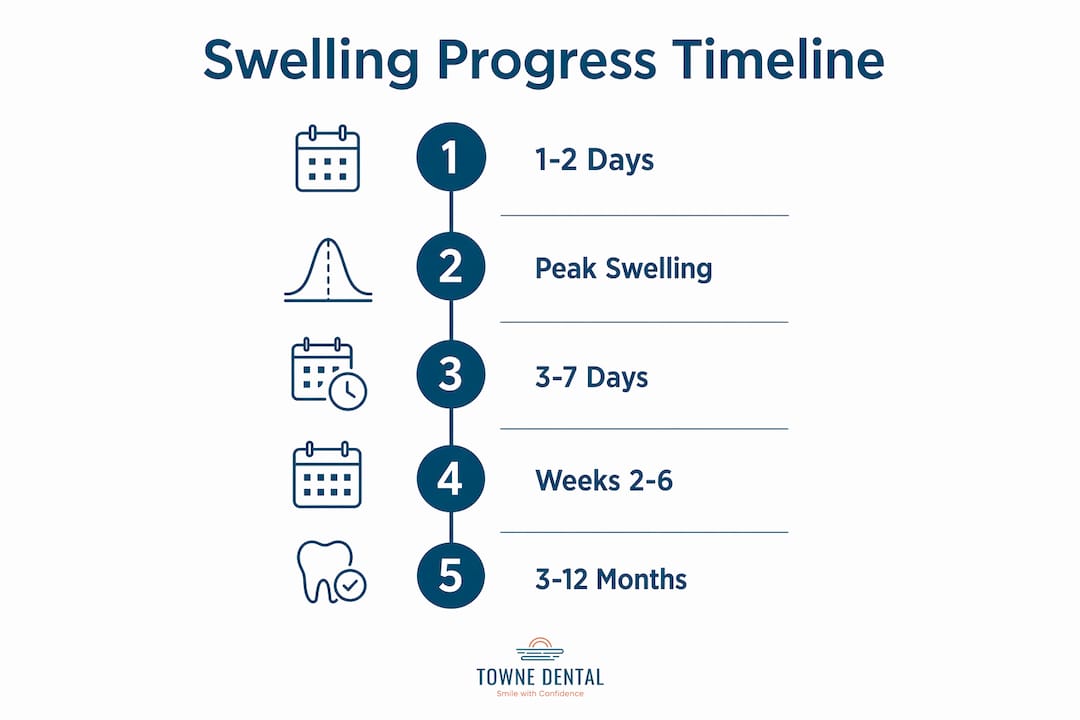
Peak swelling window (hours 48–72): This is when swelling reaches its maximum. The puffiness typically centers on the cheek, extends slightly under the eye, and creates a feeling of sinus pressure or fullness. Bruising may appear at this stage and can look dramatic, but it is simply blood tracking under the skin.
Days 3–7: Swelling starts to recede. Post-op instructions from local Naples practices note that swelling usually begins declining by day 5–7, and most visible bruising fades within 7–10 days. You may still feel some internal congestion or tenderness near the graft site, but the worst is behind you.

Weeks 2–6: Residual internal swelling in the sinus cavity can linger. You might notice mild congestion or a sense of fullness that comes and goes. Strenuous activity should still be avoided during this window. Most patients return to desk work within a week, but physical labor or intense exercise should wait until your surgeon clears you.
Months 3–12: The visible swelling is long gone, but the bone graft is still integrating. Full osseointegration typically takes 6–12 months, and your surgeon will track progress with periodic imaging before placing the implant.
Pro Tip: Schedule your surgery on a Thursday or Friday. That way your peak swelling days fall over the weekend, and you can return to most office work by Monday or Tuesday.
Why does swelling happen after a sinus lift?
Surgical trauma to the soft tissue and sinus membrane triggers the body’s inflammatory response, which sends fluid and white blood cells to the area. That fluid accumulation is what you see and feel as swelling. It is not a malfunction; it is the first phase of healing.
What surprises many patients is that the most uncomfortable swelling is often internal rather than visible. Clinical literature describes internal sinus edema and small hematomas after sinus membrane manipulation as common physiologic responses. This internal edema can temporarily block the sinus ostium, the small drainage opening of the sinus, which explains why patients feel significant congestion and pressure even when the external puffiness looks modest.
A published review of sinus augmentation complications confirms that edema, hematoma, and ecchymosis are among the most frequently reported acute postoperative findings after this procedure. Knowing that puts the discomfort in context: your body is doing exactly what it is supposed to do.
How to reduce swelling at home after a sinus lift
Cold packs (first 48–72 hours):
- Wrap an ice pack or bag of frozen peas in a thin cloth.
- Apply to the cheek for 20 minutes on, then 20 minutes off.
- Repeat as needed during waking hours for the first two days.
- Do not apply ice directly to skin, and do not use heat during this window.
After 72 hours, switch to warm, moist compresses applied for 20 minutes, three times a day. Heat at this stage supports lymphatic drainage and helps the body clear residual fluid faster, as Marquette University’s oral surgery aftercare guidance notes.
Sleep and activity:
- Keep your head elevated above your heart, even while sleeping. Use two pillows or a wedge pillow.
- Avoid bending at the waist or heavy lifting for at least two weeks.
- Skip the gym. Elevated heart rate and blood pressure increase swelling and raise the risk of graft displacement.
Nasal care — the rules that matter most:
- Do not blow your nose for at least two weeks after surgery.
- Do not use a straw. The suction pressure can disturb the graft.
- If you feel a sneeze coming, sneeze with your mouth open to release pressure without stressing the sinus membrane.
- Avoid forceful coughing where possible.
Diet and hydration:
- Stick to soft foods for the first week: yogurt, scrambled eggs, mashed potatoes, smoothies without straws.
- Drink plenty of water. Hydration supports tissue repair.
- Avoid alcohol for at least a week. It dilates blood vessels and can worsen swelling.
- Do not smoke. Tobacco restricts blood flow to healing tissue and significantly raises the risk of graft failure.
Pro Tip: Set a phone alarm for your cold-pack intervals. It is easy to lose track of time when you are resting, and consistent icing in the first 48 hours makes a real difference in how much swelling you wake up to on day two.
What medications help control swelling and pain?
Your surgeon will typically send you home with a short course of prescriptions. Here is what each one does:
- Analgesics: Acetaminophen (Tylenol) or prescription-strength NSAIDs like ibuprofen manage pain and reduce inflammation. Take them on schedule for the first 48–72 hours rather than waiting until the pain becomes severe.
- Antibiotics: Prescribed after grafting to prevent infection in the sinus cavity, where bacteria can cause serious complications. Complete the full course even if you feel fine.
- Corticosteroids (select cases): Some surgeons prescribe a short steroid course to blunt early inflammation. The decision is individualized, balancing reduced edema against a small increase in infection risk, as clinical guidance on sinus augmentation notes.
Follow your surgeon’s dosing instructions exactly. Doubling up on pain medication or stopping antibiotics early are two of the most common patient mistakes, and both carry real consequences.
Pro Tip: Ask your surgeon before surgery whether ibuprofen or acetaminophen is preferred for your specific case. Some patients have contraindications to NSAIDs, and knowing ahead of time means you are not guessing at the pharmacy.
When does swelling signal a complication?
Call your surgeon right away if you notice any of the following after a sinus lift: swelling that is still increasing after day 3, a fever above 101°F, heavy or non-stopping bleeding, thick or discolored nasal discharge, a foul smell from the surgical site, new numbness in the cheek or palate, or difficulty breathing or swallowing. These are not normal parts of healing.
Days 1–3 are the expected window for peak swelling, bruising, and mild congestion. After day 3, the trajectory should be improvement, not worsening. A review of sinus augmentation complications lists sinusitis, wound dehiscence, and infection among the complications that can develop if early warning signs are missed.
Red-flag checklist:
- Swelling increasing after day 3
- Fever (above 101°F)
- Persistent heavy bleeding
- Purulent or foul-smelling nasal discharge
- Severe or worsening pain not controlled by prescribed medication
- New numbness in the cheek, teeth, or palate
- Difficulty breathing or swallowing
When you call, tell your surgeon the day of surgery, what medications you are taking, when the symptom started, and whether it is getting worse. That information helps them triage quickly.
Pro Tip: Save your surgeon’s after-hours number in your phone before you leave the clinic. Searching for it at 11 PM when you are in pain is not the moment you want to be digging through paperwork.
What does a failed sinus lift feel like?
Most sinus lifts succeed, but graft problems do occur, and recognizing the signs early improves outcomes. Patients who later learn their graft did not integrate often describe a pattern that differs from normal healing.
Common reports include:
- Pain or pressure that worsens rather than improving after the first week
- Chronic sinus drainage or congestion lasting beyond 4–6 weeks
- A persistent foul taste or smell that does not resolve
- Changes in how nearby teeth feel, including new mobility or bite changes near the graft site
- Visible material coming from the surgical site
The key distinction between normal healing congestion and a problem is duration and direction. Normal congestion improves week by week. Congestion that stays the same or worsens after week two, especially when paired with discharge or pain, is a reason to be evaluated. Only a clinical exam and imaging can confirm whether the graft is integrating properly. Patient symptoms are a reason to be seen, not a diagnosis.
What does a sinus lift cost, and what follow-up should you expect?
Cost varies considerably based on several factors:
- Surgeon type: Oral surgeons and periodontists both perform sinus lifts; fees reflect training, overhead, and local market rates.
- Graft material: Autograft (your own bone) typically costs more due to the second surgical site. Allograft (donor bone) and xenograft (bovine or porcine) are common alternatives at lower cost.
- Sedation: IV sedation adds to the total but is often worth it for patient comfort.
- Implant timing: A staged approach (sinus lift first, implant later) involves two procedure fees. Simultaneous placement, when anatomy allows, can reduce total cost.
Sinus lift costs in the United States vary considerably depending on multiple factors and can be moderately expensive, not including the implant itself. Insurance rarely covers the procedure as a standalone, though some plans contribute when medical necessity is documented.
Typical follow-up schedule:
- Week 1: Wound check, assess healing, confirm no early infection signs.
- Weeks 1–2: Suture removal if non-dissolving sutures were placed.
- Months 3–6: Imaging to assess graft integration progress.
- Month 6–12: Final evaluation before implant placement.
Before surgery, ask your clinic for a written cost estimate, confirm what is included in the surgical fee, and ask whether the implant placement is bundled or billed separately.
What happens before surgery to reduce your risk of complications?
A thorough pre-operative evaluation is one of the most effective ways to reduce post-operative swelling and complications. Surgeons who skip this step are cutting corners that matter.
- Sinus health review: Patients with a history of chronic sinusitis or nasal obstruction face higher post-op risk. Surgical literature recommends pre-op evaluation and ENT collaboration for these patients before sinus augmentation proceeds.
- CBCT imaging: Cone beam CT scanning gives the surgeon a precise 3D map of sinus anatomy, membrane thickness, and available bone height. This guides graft placement and reduces the chance of membrane perforation.
- Technique selection: A lateral window approach and a transcrestal (crestal) approach carry different risk profiles. Minimally invasive transcrestal techniques generally produce less soft-tissue trauma and less early swelling when anatomy permits.
- Smoking cessation: Patients who smoke are counseled to stop at least two weeks before surgery. Nicotine impairs blood supply to healing tissue and raises graft failure risk substantially.
- Medical optimization: Conditions like uncontrolled diabetes or blood-thinning medications are reviewed and managed before the procedure date is set.
How Towne Dental approaches sinus lift care in Naples
Towne Dental’s oral surgery services in Naples are built around the principle that less tissue trauma during surgery means a smoother recovery afterward. The clinic uses CBCT imaging for pre-surgical planning, which allows the surgical team to map sinus anatomy precisely before a single incision is made.
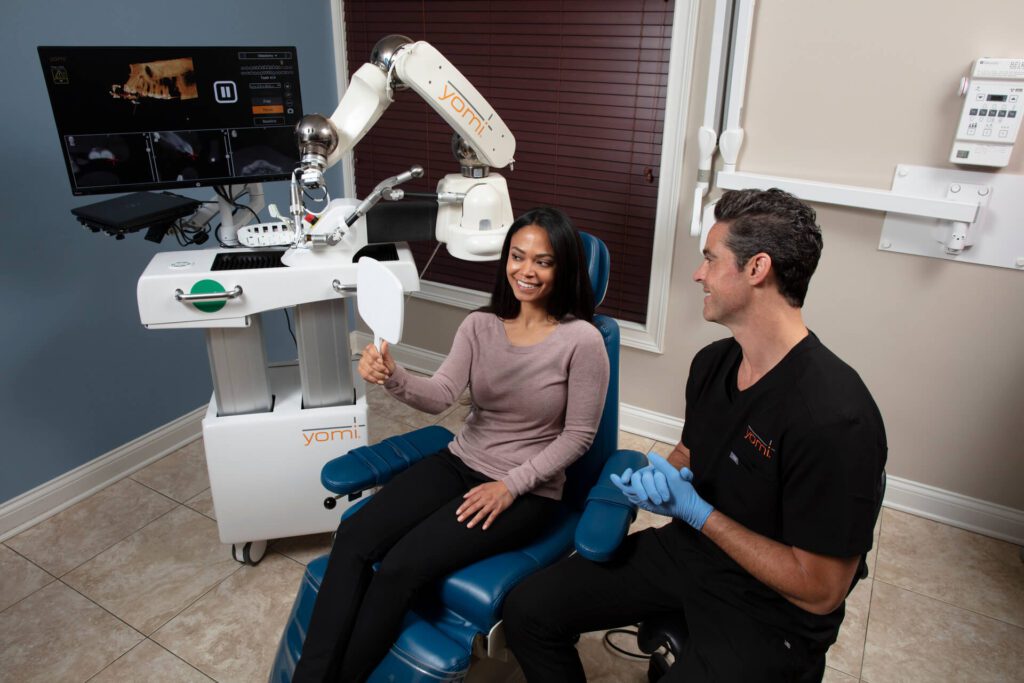
- Yomi® robot-assisted implant technology supports precise placement, reducing soft-tissue disruption and the degree of post-operative swelling patients experience.
- Pre-op assessment includes a review of sinus health history and, when indicated, coordination with ENT specialists before surgery proceeds.
- Post-op protocols include written aftercare instructions, prescribed medications, and a clear schedule for follow-up visits during graft integration.
- Sedation options are available for patients who experience anxiety, making the procedure more comfortable and reducing physiologic stress responses that can worsen early swelling.
Pro Tip: Before your procedure at Towne Dental, write down every question you have about the recovery, including what to do if swelling worsens on day 4. The consent appointment is the right time to get those answers, not the night after surgery.
Key Takeaways
Sinus lift swelling is a predictable, manageable part of healing when patients know what to expect and follow post-op instructions closely.
| Point | Details |
|---|---|
| Swelling peaks at 48–72 hours | Expect maximum puffiness in the cheek and under-eye area during this window, then gradual improvement. Swelling usually begins declining by day 5–7, with most visible puffiness resolved within 10 days. |
| Cold then warm compresses | Use cold packs (20 min on/off) for the first 48–72 hours, then switch to warm moist heat three times daily. |
| Red flags after day 3 | Increasing swelling, fever above 101°F, purulent discharge, or difficulty breathing require an immediate call to your surgeon. |
| Graft integrates over 6–12 months | Visible swelling resolves in weeks, but bone graft integration takes months before implant placement is possible. |
| Towne Dental in Naples | Towne Dental uses CBCT planning and Yomi® robot-assisted technology to minimize tissue trauma and support a smoother recovery. |
What surgeons actually tell patients about swelling
Early swelling after a sinus lift is one of those things that looks alarming and feels uncomfortable but is almost always the body doing its job correctly. The patients who recover most smoothly are the ones who take the first 72 hours seriously: they keep their head elevated, they ice consistently, they eat soft food, and they resist the urge to blow their nose or push through a workout. The rules exist because the graft site is genuinely fragile in those early days, and small decisions matter.
What I tell patients before they leave: if something feels off after day 3, call. Not because it is probably serious, but because catching a real problem early makes it far easier to manage. Towne Dental’s team is available for exactly those calls, and no question is too small when you are in recovery.
Towne Dental is ready to help with your sinus lift in Naples
Recovering from a sinus lift is manageable when you have an experienced surgical team and a clear plan. Towne Dental offers oral surgery in Naples with a focus on precision planning, minimally invasive technique, and attentive post-operative follow-up. From your first consultation through graft integration, the team walks you through every stage so there are no surprises.

If you are experiencing post-op concerns or want to schedule a consultation before your procedure, Towne Dental’s emergency dental services are also available for urgent needs. Call the clinic or book online to get started.
Useful sources
The following sources informed this article and are recommended for further reading.
| Source | Why it’s relevant |
|---|---|
| PMC: Complications of maxillary sinus augmentation | Peer-reviewed review of acute and chronic complications after sinus lift procedures, including edema and infection. |
| PMC: Sinus disease and surgical planning | Evidence on pre-op ENT evaluation and corticosteroid use for patients with chronic sinus conditions. |
| Springer: Sinus membrane behavior after augmentation | Clinical analysis of internal sinus edema and hematoma formation after membrane manipulation. |
| Marquette University: Oral surgery aftercare | Surgeon-sourced post-op instructions on cold/heat timing and swelling management. |
| Towne Dental Naples | Clinic profile describing oral surgery services, Yomi® technology, and patient care approach. |
FAQ
How long does swelling last after a sinus lift?
Swelling typically peaks at 48–72 hours and usually begins declining by day 5–7, with most visible puffiness resolved within 10 days. Internal sinus congestion may persist for several weeks during graft healing.
What is the average cost of a sinus lift in the United States?
Sinus lift costs vary considerably depending on graft material, sedation, surgeon type, and whether implant placement is staged or simultaneous. Insurance coverage is limited but sometimes available when medical necessity is documented.
What is the most common complication of a sinus lift?
Infection and sinusitis are among the most frequently reported complications, along with membrane perforation during surgery. A published review also identifies wound dehiscence and graft loss as notable risks.
What does a failed sinus lift feel like?
Patients typically describe persistent or worsening pain beyond the first week, chronic sinus pressure or drainage, a foul taste or smell that does not resolve, and sometimes changes in nearby tooth stability. These symptoms warrant a clinical exam and imaging, as only those can confirm whether the graft is integrating.