Rotten teeth smell is defined as a persistent, foul oral odor caused by anaerobic bacteria breaking down sulfur-containing amino acids inside cavities, periodontal pockets, and tongue biofilms. This bacterial metabolism produces volatile sulfur compounds like hydrogen sulfide and methyl mercaptan, the same compounds responsible for the sharp, rotten-egg quality that makes decay-related breath so distinct. The clinical term for this condition is halitosis, and when tooth decay is the source, the odor is consistent, localized, and worsens without treatment. Dentists use a standardized method called organoleptic evaluation to measure odor intensity and pinpoint its origin. Understanding the cause is the first step toward fixing it.
What causes rotten teeth smell and how does tooth decay contribute?
Tooth decay creates the perfect environment for odor-producing bacteria. When enamel breaks down, food particles and bacteria become trapped in cavities where oxygen cannot reach. Anaerobic bacteria thrive in these low-oxygen zones and consume trapped organic matter, releasing sulfur compounds as a byproduct. The result is a pungent, sour, or musty odor that brushing alone cannot eliminate.
Several dental conditions contribute directly to this smell:
- Cavities: Deep decay exposes dentin and pulp tissue, giving bacteria a rich food source and a protected space to multiply.
- Gum disease: Periodontal pockets form between teeth and gums, trapping bacteria in areas that are nearly impossible to clean at home.
- Tongue coating: A thick biofilm on the tongue surface harbors the same anaerobic bacteria responsible for sulfur compound production.
- Dry mouth: Reduced salivary flow removes the mouth’s natural cleansing mechanism, allowing bacterial populations to grow unchecked.
- Exposed tooth roots: Gum recession exposes root surfaces that decay faster than enamel, accelerating odor production.
The odor itself has recognizable characteristics. Decay-related breath tends to be sulfuric and sharp, sometimes described as similar to rotten eggs or spoiled food. Gum disease often produces a more musty, earthy smell. Patients in Lee County who notice a persistent odor that returns within hours of brushing should treat that as a signal of an underlying dental condition, not just poor hygiene.
Beyond the smell, other signs point to active decay: tooth sensitivity to hot or cold, visible dark spots or holes in teeth, localized pain, and swollen or bleeding gums. Any one of these alongside a persistent odor warrants a dental visit.
Pro Tip: Smell your floss after running it between your back teeth. A strong sulfur odor on the floss almost always indicates bacterial buildup in a cavity or periodontal pocket, not just surface plaque.
How do you know if a rotten tooth is causing bad breath?
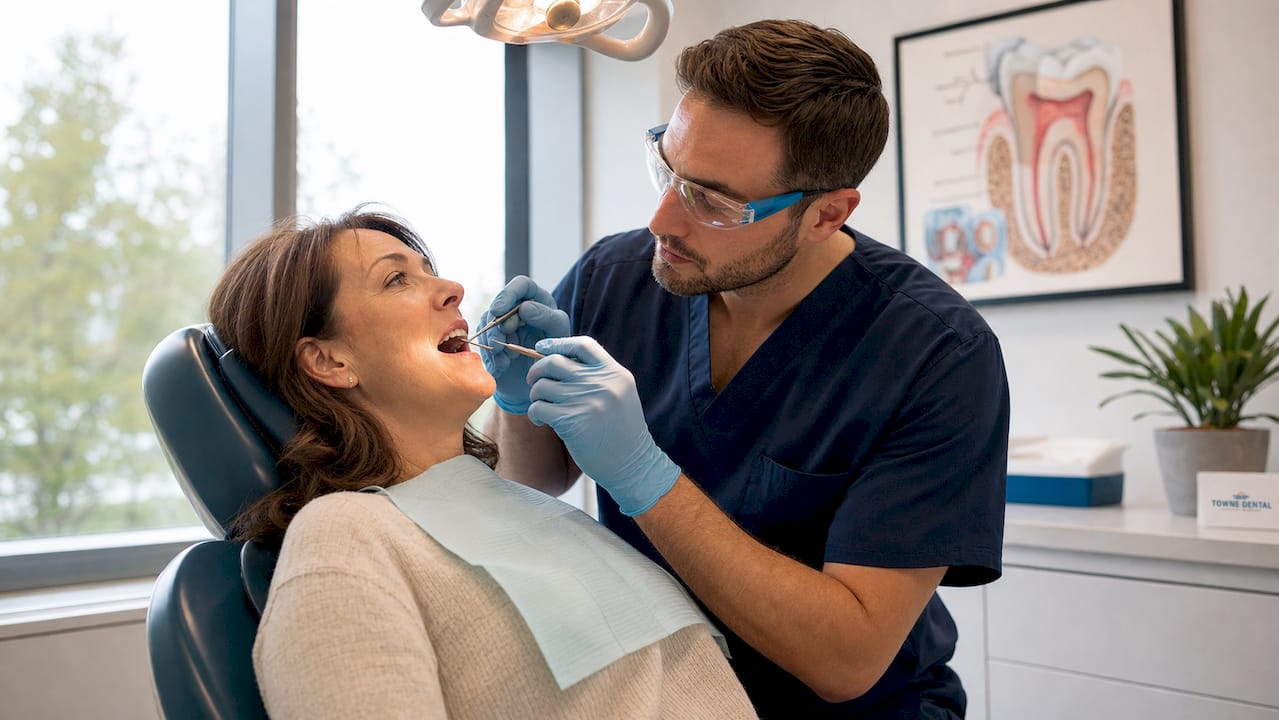
Identifying the source of bad breath requires more than a self-check. Organoleptic evaluation is the clinical gold standard: a dentist assesses odor intensity by having the patient exhale through the mouth and then through the nose separately. If the odor is stronger from the mouth, the source is oral. If it is stronger from the nose, sinus or nasal issues are more likely. This simple comparison rules out systemic causes quickly.
You can apply a version of this at home with these steps:
- Breathe through your mouth onto the back of your clean wrist, then smell it after five seconds.
- Breathe through your nose onto the same spot and compare the two odors.
- Scrape your tongue with a spoon or tongue scraper and smell the residue. A strong odor confirms bacterial buildup on the tongue surface.
- Smell your floss after using it between your back molars. Sulfuric odor on the floss points to a cavity or pocket.
- Note the pattern. Decay-related odor returns within an hour or two of brushing. Food-related odors from garlic or onions persist for several hours but fade on their own because they travel through the bloodstream, not from the teeth.
The distinction between oral and systemic causes matters. Bad breath is rarely from gastrointestinal origins because the esophagus stays collapsed most of the time, blocking odors from escaping upward. Persistent foul breath that does not respond to brushing and flossing almost always has an oral source.
Common signs that point specifically to rotten teeth as the cause include: a constant odor that worsens after eating, visible cavities or dark tooth discoloration, bleeding gums, and a bad taste that lingers throughout the day. A professional dental examination remains the most accurate way to confirm the source and rule out gum disease, abscesses, or other conditions.
Pro Tip: If your breath smells worse in the morning and improves after brushing but returns by midday, that pattern strongly suggests an active cavity or gum pocket rather than diet or dry mouth alone.
Effective treatments for rotten tooth odor caused by decay
Treating the smell means treating its source. Masking the odor with mints or mouthwash without addressing the underlying decay is like painting over rust. The odor returns because the bacteria remain.
The most effective treatments include:
- Professional dental cleaning: Scaling and polishing remove plaque and tartar from surfaces and below the gumline, eliminating the bacterial colonies responsible for sulfur compound production.
- Dental fillings: Restoring a cavity removes the decayed tissue and seals the space where bacteria were living. This is often the single most effective step for reducing bacterial odor sources.
- Periodontal therapy: Scaling and root planing cleans periodontal pockets that harbor anaerobic bacteria. Treating gum disease directly reduces the bacterial load responsible for the musty, persistent odor associated with advanced decay.
- Root canal treatment: When decay reaches the pulp, infected tissue must be removed. Leaving an infected pulp untreated produces one of the most intense forms of rotten tooth odor.
- Tooth extraction: In cases where a tooth cannot be saved, removal eliminates the source of infection and odor entirely.
At home, consistent hygiene supports professional treatment. Brushing twice daily with fluoride toothpaste, flossing once daily, and cleaning the tongue with a scraper removes the surface biofilm that feeds anaerobic bacteria. Antimicrobial mouth rinses containing chlorhexidine or zinc-based compounds reduce bacterial counts between cleanings. The catch is that chlorhexidine rinses last only about 20 minutes before their antibacterial effect fades. Rinsing is a useful adjunct, not a replacement for mechanical cleaning or professional care.
Pro Tip: Treating decay early costs far less and produces faster odor relief than waiting until a cavity reaches the pulp. A small filling eliminates the bacterial pocket immediately. A root canal or extraction takes longer and involves more recovery.
Preventive measures to avoid developing rotten teeth smell
Prevention is more effective than treatment, and the habits that prevent decay are straightforward.
Daily oral hygiene habits that work:
- Brush for two full minutes, twice daily, using a fluoride toothpaste. Fluoride strengthens enamel and slows bacterial acid damage.
- Floss once daily to remove food and plaque from between teeth where brushes cannot reach.
- Clean your tongue every morning. The tongue surface holds more odor-producing bacteria than any other part of the mouth.
- Drink water throughout the day to maintain saliva flow. Saliva is the mouth’s natural defense against bacterial overgrowth.
| Preventive practice | Primary benefit |
|---|---|
| Brushing twice daily with fluoride toothpaste | Removes plaque and strengthens enamel against decay |
| Daily flossing | Clears interdental bacteria that cause cavities and gum disease |
| Tongue scraping | Reduces anaerobic bacteria responsible for sulfur compound production |
| Regular dental checkups | Catches early decay before it creates odor or requires major treatment |
| Staying hydrated | Maintains saliva flow, which neutralizes acids and washes away bacteria |
| Reducing sugar intake | Starves the bacteria that produce enamel-damaging acids |
| Quitting smoking | Removes a major contributor to dry mouth, gum disease, and persistent bad breath |
Regular dental checkups, ideally every six months, allow dentists to catch early decay before it becomes a cavity deep enough to produce odor. Early-stage decay can sometimes be reversed with fluoride treatment alone. Waiting until pain or smell appears means the decay has already progressed significantly.
Dry mouth deserves specific attention. Certain medications and diseases reduce saliva production, which accelerates bacterial growth. Patients taking antihistamines, antidepressants, or blood pressure medications should ask their dentist about saliva substitutes or prescription fluoride rinses. Staying well-hydrated and chewing sugar-free gum between meals stimulates saliva flow naturally.
Diet plays a direct role. Reducing sugar and refined carbohydrates removes the fuel that cavity-causing bacteria need. Crunchy vegetables like carrots and celery mechanically clean tooth surfaces and stimulate saliva. Avoiding tobacco in any form reduces dry mouth, gum disease risk, and the masking effect that smoking has on early decay symptoms.
Key Takeaways
Rotten teeth smell is caused by anaerobic bacteria producing volatile sulfur compounds inside cavities and periodontal pockets, and it resolves only when the underlying decay or gum disease receives professional treatment.
| Point | Details |
|---|---|
| Root cause is bacterial | Anaerobic bacteria in cavities and gum pockets produce hydrogen sulfide and methyl mercaptan. |
| Organoleptic testing locates the source | Dentists compare mouth and nose exhalation to confirm whether odor is oral or systemic. |
| Mouthwash is temporary | Chlorhexidine rinses reduce bacteria for about 20 minutes; they do not replace fillings or cleanings. |
| Early treatment stops odor faster | A filling eliminates the bacterial pocket immediately; delayed care often requires root canals or extraction. |
| Prevention centers on daily hygiene | Brushing, flossing, tongue scraping, and six-month checkups prevent the conditions that create decay odor. |
What I’ve learned treating patients who thought mouthwash was enough
The most common mistake I see is patients who have been masking a rotten tooth odor with mouthwash for months, sometimes years, before coming in. They are embarrassed, and they assume the smell is a hygiene failure rather than a medical one. That assumption delays care and allows decay to progress from a simple filling into a root canal or extraction.
The second misconception I encounter regularly is the belief that bad breath comes from the stomach. Research confirms that bad breath is primarily intraoral in origin. The digestive system is almost never the source. When patients switch their focus from digestive remedies to oral care, they see results quickly.
What actually works is treating the infection, not the symptom. Once a cavity is filled or a periodontal pocket is cleaned, the sulfur compound production stops. The odor disappears within days, not weeks. Patients are often surprised by how fast the change happens when the source is addressed directly.
My advice to anyone in Lee County dealing with persistent bad breath: tell your dentist exactly what you are experiencing. Dentists are not going to judge you. We use clinical tools like organoleptic evaluation specifically because breath assessment is a medical process, not a personal one. The sooner you describe the problem, the sooner we can find it and fix it.
— Krunal
Towne Dental’s approach to treating persistent tooth odor
Persistent rotten tooth odor signals an active dental problem that needs professional attention, not just better hygiene products.

Towne Dental serves patients across Lee County with general dentistry services that address the full range of decay-related conditions, from early cavities to advanced periodontal disease. The clinic’s team uses clinical evaluation to identify the exact source of odor and builds a personalized treatment plan around it. Whether the issue requires a filling, a deep cleaning, or periodontal therapy, Towne Dental offers all of these under one roof. Patients dealing with severe pain or infection can also access emergency dental care when the situation cannot wait. Schedule a visit and get a clear answer about what is causing the smell and how to stop it.
FAQ
Does a rotten tooth cause bad breath?
A rotten tooth causes bad breath by creating a space where anaerobic bacteria produce volatile sulfur compounds like hydrogen sulfide. The odor is persistent and returns quickly after brushing because the bacterial source remains inside the cavity.
How do you get rid of rotten tooth smell?
The only lasting way to eliminate rotten tooth smell is to treat the decay directly through fillings, periodontal therapy, or extraction. Mouth rinses and brushing reduce surface bacteria temporarily but do not reach bacteria living inside cavities or gum pockets.
How can I tell if my bad breath is from my teeth or something else?
Exhale through your mouth onto your wrist, then through your nose, and compare the odors. If the mouth odor is stronger, the source is oral. A dentist can confirm this using organoleptic evaluation, the clinical standard for locating halitosis origin.
Do rotting teeth always smell?
Not always in the earliest stages, but active decay almost always produces odor once bacteria reach the dentin or pulp. The smell intensifies as decay deepens because the anaerobic bacterial population grows larger and produces more sulfur compounds.
Can mouthwash fix rotten tooth odor?
Mouthwash provides temporary relief but does not fix the underlying cause. Chlorhexidine rinses reduce bacterial counts for roughly 20 minutes before the effect fades. Treating the cavity or gum disease is the only way to stop the odor at its source.