A custom, dentist-fitted night guard is the best option for most chronic tooth grinders. It offers the most accurate fit, the most reliable enamel protection, and the longest lifespan of any available option. If you grind nightly or wake up with jaw soreness, book an evaluation at Towne Dental and get fitted properly. If you need something tonight while you wait for an appointment, a boil-and-bite guard from a pharmacy will do the job short-term. Stock guards (the one-size tray you find at the drugstore) are worth skipping entirely for anything beyond the most occasional, mild clenching.
Key Takeaways
A custom, dentist-fitted night guard is the most effective protection against grinding damage, and it remains the conservative first-line recommendation when enamel wear and jaw soreness are present.
| Point | Details |
|---|---|
| Custom guard is the top choice | Dentist-fitted hard acrylic or dual-laminate guards offer the best fit, protection, and lifespan for chronic grinders. |
| OTC guards carry real risks | Poorly fitted store-bought guards can cause tooth movement, bite changes, and increased jaw pain over time. |
| Guards protect, not cure | Occlusal splints prevent enamel wear and reduce morning soreness but do not stop bruxism events from occurring. |
| Cost vs. lifespan math favors custom | Custom guards last 2–5 years; OTC replacements every few months add up without providing equivalent protection. |
| Towne Dental custom fitting | Towne Dental evaluates, scans, fabricates, and adjusts custom night guards with follow-up care included. |
Table of Contents
- What types of night guards are available for grinding?
- How does a night guard protect your teeth?
- Do you need a night guard? Signs and red flags to watch for
- How do you choose the right night guard?
- How much does a night guard cost, and how long will it last?
- How do you clean and break in a night guard?
- What does the clinical evidence say about occlusal splints?
- How does Towne Dental fit and follow up on a custom night guard?
- The case for getting this right the first time
- Custom night guard fitting at Towne Dental
- Useful sources
- FAQ
What types of night guards are available for grinding?
Three categories cover the market, and they are not interchangeable.
Custom dentist-made guards are fabricated from a precise impression or digital scan of your teeth. A dental lab mills or presses the appliance to match your exact occlusion. The result fits snugly, distributes bite forces evenly, and stays in place without bulk. Custom guards provide the most accurate fit and safety compared to any store-bought alternative, and they are the standard recommendation for anyone grinding nightly.
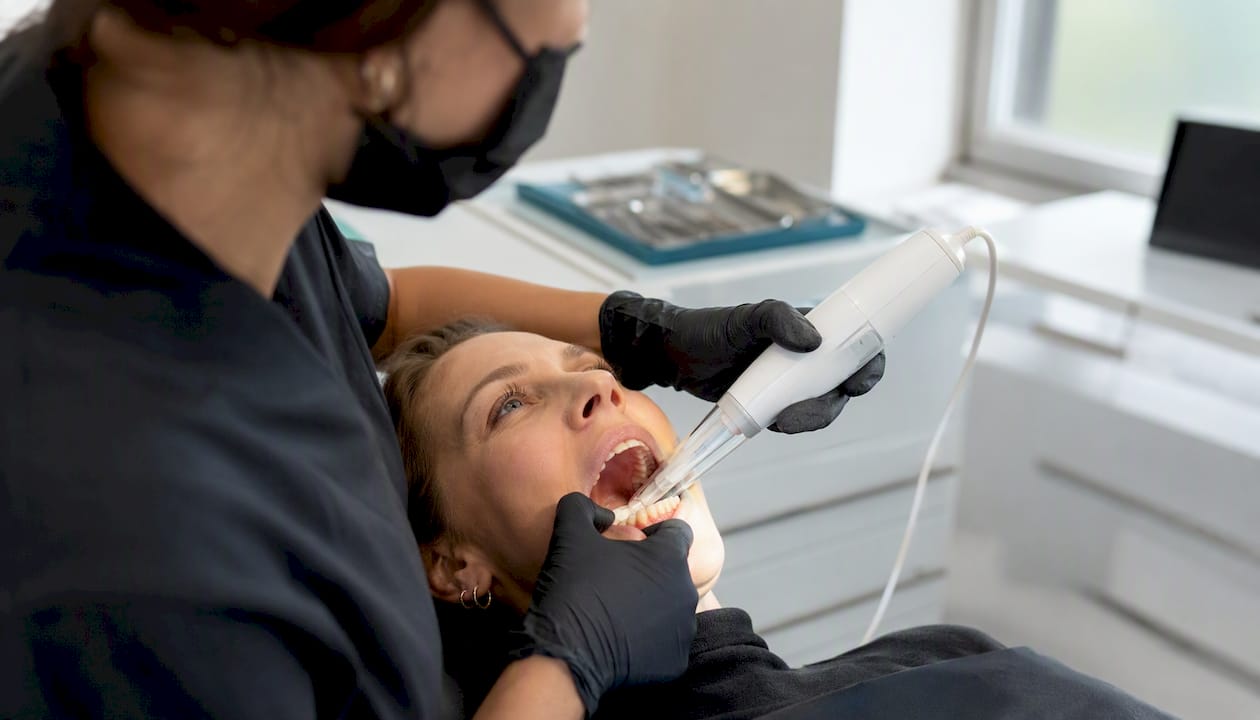
Boil-and-bite guards are thermoplastic trays you soften in hot water and then bite into to create a rough impression. They are widely available at pharmacies and online. Fit is approximate, not precise, but they are far better than a stock tray and serve well as a temporary measure or for mild, infrequent grinding.
Stock (pre-formed) guards come ready to wear with no customization. They are bulky, tend to shift during sleep, and can actually increase muscle activity because your jaw works to keep them in place. For most people, they are not worth the money.
| Type | Typical cost | Fit | Comfort | Durability | Protection level | Dental supervision |
|---|---|---|---|---|---|---|
| Stock (OTC) | low cost | Pre-formed, no customization | Low — bulky, shifts during sleep | short lifespan | Minimal | None |
| Boil-and-bite (OTC) | moderate cost | Approximate thermoplastic impression | Moderate | moderate lifespan | Moderate | None (annual check recommended) |
| Custom (dentist-made) | higher cost | Precise lab-fabricated to your teeth | High | multi-year lifespan | High — hard acrylic or dual-laminate | Yes — fitting, adjustments, follow-up |
Insurance coverage varies widely. Many dental plans classify a custom night guard as a covered appliance under major restorative or TMJ benefits, often covering part of the cost after deductible. FSA and HSA funds can cover the remaining expense. OTC guards are rarely reimbursable, though some FSA administrators allow it. Always call your insurer before assuming coverage.
Pro Tip: Ask your dentist to submit a predetermination request to your insurer before fabricating the guard. You will know your exact out-of-pocket cost before committing.
How does a night guard protect your teeth?
A night guard works as a protective orthosis, not a cure. It places a physical barrier between your upper and lower teeth so that grinding forces are absorbed by the appliance rather than your enamel. Occlusal appliances protect teeth from wear and reduce morning jaw discomfort, but current evidence is clear that they do not reliably reduce how often bruxism events occur during sleep. The grinding habit itself stays; the damage it causes is what gets intercepted.
A well-made custom guard also incorporates occlusal equilibration: the biting surface is shaped so that your canine teeth guide the jaw into a stable position and the back teeth disclude (separate) during lateral movement. That design prevents the uneven loading that strains jaw muscles and stresses the temporomandibular joint. A flat, unbalanced tray cannot do this.
What a night guard will not do is equally worth knowing. It does not address the neurological drivers of bruxism, which involve sleep arousal cycles and dopaminergic pathways. It does not replace CPAP therapy if sleep apnea is contributing to your grinding. And for severe TMJ pathology, a night guard is a supportive tool, not a standalone treatment. Patients with significant joint damage, disc displacement, or locking often need a broader care plan that may include physical therapy or specialist referral.
Pro Tip: If you wake up and your guard feels heavily worn or cracked within the first few months, that is useful diagnostic information. Bring it to your dentist — the wear pattern tells them where your bite forces are concentrated.
Do you need a night guard? Signs and red flags to watch for
Most people who grind do not know they do it. Bruxism happens during sleep, and the signs show up during the day or at the dentist’s office. Common indicators include:
- Morning jaw soreness or stiffness that eases as the day goes on
- Dull headaches starting at the temples, especially on waking
- Tooth sensitivity to cold or pressure that has no obvious cavity explanation
- Visible flattening or chipping of the biting edges of your front teeth
- A partner reporting grinding or clicking sounds during the night
- Broken fillings, cracked crowns, or dental restorations that keep failing without a clear cause
Any one of these warrants a conversation with your dentist. Two or more together, and you almost certainly need a dental evaluation before the damage compounds.
Some situations require prompt professional assessment before you put anything in your mouth:
- Jaw locking or catching when you open wide
- A sudden change in how your teeth fit together (your bite feels “off”)
- Severe, persistent jaw or ear pain
- Swelling around the jaw joint
These are not night guard problems. They may indicate acute TMJ pathology, a disc issue, or something else that a guard alone will not help and could make worse. See a dentist first.
Pro Tip: Take a photo of your teeth in good lighting and compare it to a photo from a few years ago. Flattened or shortened front teeth are one of the clearest early signs of chronic grinding, and most people do not notice the gradual change until it is pointed out.
How do you choose the right night guard?
The decision comes down to grinding severity, material, and fit method. Work through it in that order.
- Assess your grinding severity. Occasional, mild clenching (a few nights a week, no tooth damage) is a different problem from nightly heavy grinding with visible enamel wear. Severity determines material.
- Match material to severity. Hard acrylic is the most durable and is recommended for severe grinders. Dual-laminate guards (hard outer shell, soft inner lining) suit moderate-to-heavy grinders who want some cushioning without sacrificing durability. Soft EVA guards are appropriate only for light clenchers or as a short-term trial. Material selection should match grinding severity to balance durability and comfort.
- Choose your fit method. A dentist impression or digital scan gives you the most accurate result. Mail-in impression kits (where you take your own impression at home and mail it to a lab) are a middle option: better than boil-and-bite, but without the occlusal adjustment a dentist provides. Boil-and-bite is the best available OTC option for temporary use.
Questions to ask your dentist before ordering a custom guard:
- What material do you recommend for my grinding pattern, and why?
- Will the guard be adjusted for my bite (occlusal equilibration), or is it a flat-plane appliance?
- What is your warranty or replacement policy if it breaks or no longer fits?
- How often should I come back for fit checks?
- Does my insurance cover this, and can you submit a predetermination?
Red flags when buying online or at a pharmacy:
- No mention of occlusal adjustment or bite balancing
- Soft-only material marketed for “heavy grinding” (soft guards are not appropriate for severe bruxers)
- No return policy or warranty
- Claims that the guard will “stop” or “cure” grinding
- Mail-in kits with no follow-up dental review offered
How much does a night guard cost, and how long will it last?
| Type | Typical price range | Expected lifespan | Key durability factors |
|---|---|---|---|
| Stock OTC | low cost | short lifespan | Material degrades quickly; no custom fit to maintain |
| Boil-and-bite OTC | moderate cost | moderate lifespan | Thermoplastic softens and distorts with repeated use |
| Custom (hard acrylic) | higher cost | multi-year lifespan | Grinding severity, cleaning routine, material quality |
| Custom (dual-laminate) | higher cost | multi-year lifespan | Inner soft layer compresses over time with heavy use |
The math on custom guards is straightforward once you account for lifespan. Replacing a boil-and-bite every few months adds up quickly, and it still does not give you the occlusal protection a custom appliance provides. Custom guards offer superior fit, occlusal management, and longevity compared to store-bought options.
Factors that shorten any guard’s lifespan:
- Severe grinding (more force, faster material breakdown)
- Inconsistent cleaning (bacterial buildup degrades thermoplastics faster)
- Storing the guard in heat (a car, a sunny bathroom counter)
- Chewing on the guard or wearing it during the day
Insurance and payment options: Many dental plans cover custom night guards under major restorative benefits, typically at 50% after the deductible is met. FSA and HSA accounts can cover the remaining balance. Call your insurer and ask specifically whether “occlusal splints” or “bruxism appliances” are covered under your plan, because the terminology matters for claims processing.
How do you clean and break in a night guard?
Breaking in a new guard takes about one to two weeks. The first few nights, it will feel foreign. Most people find it easier to start by wearing it for an hour while watching TV before trying to sleep in it. By night three or four, the sensation becomes background noise.
Daily cleaning routine:
- Rinse the guard with cool water immediately after removing it each morning.
- Brush it gently with a soft toothbrush and mild dish soap or non-abrasive toothpaste. Avoid whitening toothpastes, which can scratch acrylic.
- Rinse thoroughly and let it air-dry completely before storing it in its case.
- Never soak it in hot water. Heat warps acrylic and thermoplastic alike.
Weekly deep clean:
- Soak the guard for 15–30 minutes in a diluted white vinegar solution (one part vinegar, three parts water) or a dental appliance cleaner tablet. Rinse well afterward.
Storage and travel:
- Always store the guard in its ventilated case. A sealed bag traps moisture and promotes bacterial growth.
- When traveling, keep the case in your carry-on. Checked luggage can get hot enough to warp the appliance.
When to replace or bring the guard to your dentist:
- Visible cracks, chips, or holes in the material
- The guard no longer seats snugly or feels loose
- Persistent odor that does not resolve with cleaning
- Any new jaw pain or bite change after starting use
- At every routine dental checkup, have the dentist assess the fit and wear pattern
What does the clinical evidence say about occlusal splints?
The research on night guards is more nuanced than most product pages suggest, and it is worth knowing what the evidence actually supports.
The core finding, consistent across multiple reviews: occlusal appliances protect teeth from wear and reduce morning jaw discomfort but do not reliably reduce bruxism frequency. The grinding events keep happening. What changes is the damage they cause and, for many patients, the level of morning soreness.
A recent systematic review and meta-analysis comparing occlusal splints to botulinum toxin (BTX-A) injections for adult sleep bruxism found that both treatments produced similar intermediate pain reductions. Splints are preferred when the primary goals are protecting teeth and maintaining normal jaw function, since BTX-A carries its own risks and does not provide mechanical protection.
Occlusal splints remain the conservative first-line intervention for bruxism management. They protect enamel, reduce jaw muscle strain, and carry minimal risk when properly fitted. Botulinum toxin is a reasonable adjunct for pain management in refractory cases, but it does not replace the mechanical protection a splint provides.
Key evidence points:
- Hard acrylic splints are the most studied and most recommended material in clinical literature
- Soft guards show mixed results in trials; some studies find they increase muscle activity in heavy grinders
- Bruxism’s dental consequences include enamel wear, tooth fracture, and TMJ strain, all of which device-based management directly addresses
- Mouth guards are commonly recommended for nightly use when bruxism occurs during sleep, per Cleveland Clinic guidance
- No current treatment reliably eliminates bruxism; management focuses on protecting teeth and reducing symptoms
The clinical takeaway is that a well-fitted occlusal splint is the most defensible first step for anyone with documented grinding. It is low-risk, reversible, and directly addresses the mechanical damage that makes bruxism a dental problem.
How does Towne Dental fit and follow up on a custom night guard?
Getting a custom guard at Towne Dental follows a clear, clinical pathway from your first appointment to wearing the finished appliance.
Step 1: Initial evaluation. The dentist examines your teeth for wear patterns, checks your bite and jaw joint, and reviews your symptoms. If grinding damage is present, restorative options may be discussed alongside the guard to address existing enamel loss.
Step 2: Records and impressions. Precise impressions or a digital scan of your upper and lower arches are taken. These records go to the dental lab and are the foundation of the appliance’s fit.
Step 3: Lab fabrication. Depending on your grinding severity and clinical needs, the lab fabricates a hard acrylic splint or a dual-laminate appliance. Hard acrylic is the standard for heavy grinders; dual-laminate suits moderate grinders who want a softer inner surface for comfort.
Step 4: Try-in and occlusal adjustment. When the guard returns from the lab, you come in for a fitting appointment. The dentist seats the appliance, checks your bite with articulating paper, and adjusts the occlusal surface until contact is even and the jaw closes comfortably. This step is what separates a custom guard from anything you can buy at a pharmacy.
Step 5: Follow-up care. Towne Dental schedules follow-up checks to monitor fit and wear. Bring your guard to every routine cleaning appointment so the team can assess whether it still fits correctly and whether any adjustments are needed.
What to expect on timing: Most custom guards are ready within one to two weeks of the impression appointment. The try-in and adjustment visit typically takes 30–45 minutes.
Pro Tip: If you have existing crowns, veneers, or bridgework, tell the dentist before the impression is taken. The guard needs to be fabricated to accommodate those restorations, and the lab needs to know.
Patients with bite concerns or alignment issues that affect how a guard should be designed may benefit from a bite assessment before fabrication. And if grinding has already caused a cracked tooth or broken crown, emergency dental care is available at Towne Dental before the guard process begins.
The case for getting this right the first time
Most patients who come in with significant grinding damage tried an OTC guard first. That is understandable. A $30 tray at the pharmacy feels like a reasonable first step when you are not sure how serious the problem is. But the guards that cause the most trouble are not the ones people throw away after a week. They are the ones people wear faithfully for a year because they think they are doing the right thing, while the ill-fitting tray quietly shifts a tooth or creates a premature contact that strains the jaw joint.
The research does not show that OTC guards are useless. For mild, infrequent clenching, a boil-and-bite can provide meaningful short-term protection. The problem is that most people who are motivated enough to research night guards are not mild, infrequent grinders. They are waking up with sore jaws and cracked fillings, and that level of bruxism calls for a properly balanced appliance.
What the evidence consistently supports is this: the mechanical protection is real, the fit is what determines whether you get it, and the occlusal adjustment is the step that cannot be replicated at home. A guard that is not balanced to your bite does not just fail to help. It can actively create the muscle tension it was supposed to relieve.
Custom night guard fitting at Towne Dental
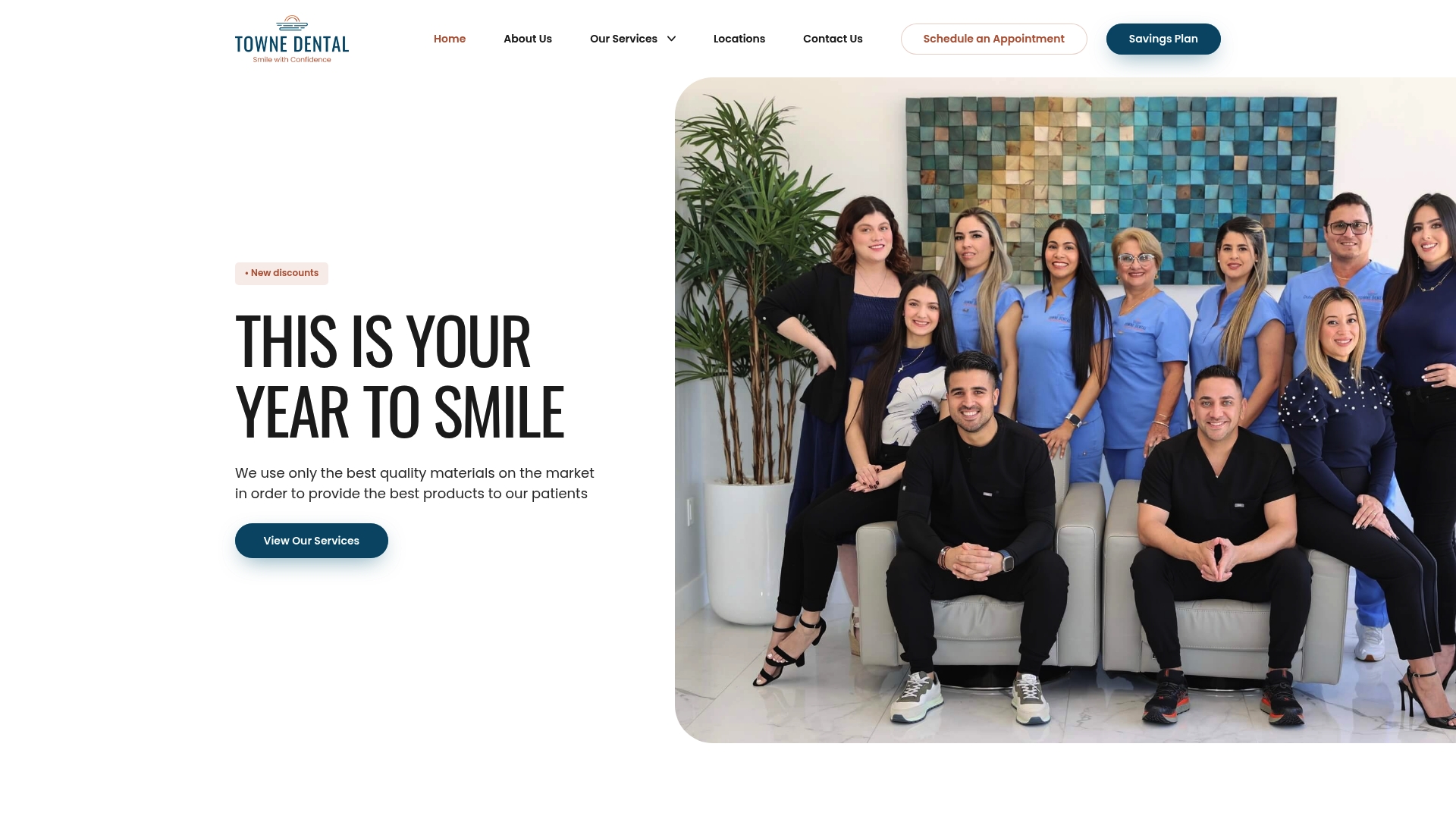
Towne Dental offers custom night guard fabrication as part of its general dentistry services for patients in Naples and the surrounding area. The process includes a clinical evaluation, digital scan or impression, lab fabrication in hard acrylic or dual-laminate material, an occlusal adjustment appointment, and scheduled follow-up checks.
Dental insurance often covers a portion of the cost under major restorative or TMJ benefits, and FSA and HSA funds apply to the out-of-pocket balance. The full range of services available at the clinic, from emergency care to orthodontics, is listed at Towne Dental’s services page.
To book a night guard evaluation or ask about coverage, call the clinic directly or request an appointment online. The first step is a clinical assessment, not a commitment, and most patients leave that appointment with a clear picture of what their grinding has done and what it will take to stop it from getting worse.
Useful sources
- Bruxism Management — StatPearls – NCBI Bookshelf
- Occlusal splints vs botulinum toxin in adult sleep bruxism: systematic review and meta-analysis (2026 DOI)
- PMC article on bruxism
- Types of Night Guard Materials: What Dentists Should Know | Pro-Craft blog
- Dental Abrasion Treatment: Restore and Protect Your Smile | Towne Dental
FAQ
Do night guards actually help with teeth grinding?
Yes, though with an important limit. Night guards protect teeth from enamel wear and reduce morning jaw soreness, but they do not stop bruxism events from occurring during sleep.
What is the difference between a night guard and a retainer?
A retainer holds teeth in position after orthodontic treatment; a night guard is an occlusal appliance designed to absorb grinding forces and protect enamel. They serve different purposes and are not interchangeable, though some retainers offer minimal grinding protection as a secondary benefit.
What are the disadvantages of wearing a night guard?
A poorly fitted guard can cause tooth movement, bite changes, and increased jaw muscle activity. Soft or bulky OTC guards are the most common culprits. A properly adjusted custom guard from a dentist carries minimal risk when worn and cleaned correctly.
Is a custom night guard worth the higher cost?
For anyone grinding nightly or showing enamel wear, yes. Custom guards last 2–5 years, provide occlusal adjustment that OTC guards cannot replicate, and prevent the kind of tooth damage that costs far more to repair. Towne Dental fabricates custom guards with a clinical fitting and follow-up care included.
What is the best mouth guard for grinding teeth?
A dentist-fitted hard acrylic or dual-laminate custom guard is the clinical standard for moderate-to-severe grinding. For mild or infrequent clenching, a boil-and-bite OTC guard is a reasonable short-term option while you arrange a dental evaluation.