Yes, dental sealants work, and the evidence behind them is stronger than most preventive treatments in dentistry. The American Dental Association found a 73% reduction in new cavity risk compared to fluoride varnish alone, and the CDC reports sealants prevent about 80% of cavities in the back teeth over two years. Children benefit most, but eligible adults gain real protection too.
TL;DR:
- Sealants significantly reduce cavity risk, preventing about 80% of cavities in back teeth over two years, especially benefiting children.
- Proper application requires cleaning, drying, etching, and curing without saliva contamination, which is critical for sealant bonding success.
- They last typically five to ten years, but require regular checkups for repairs or reapplication; skipping monitoring can lead to undetected failures.
- Sealants only protect the chewing surfaces and are not a substitute for good brushing and fluoride use, with coverage varying by age and insurance.
- Applying sealants promptly after molars erupt can prevent decay and save families hundreds of dollars in dental treatment costs.
Table of Contents
- How Do Dental Sealants Work?
- What Are the Real Benefits of Dental Sealants?
- Who Should Get Sealants, and When?
- How Are Dental Sealants Applied?
- What Are the Limitations, Risks, and Costs?
- How Long Do Dental Sealants Actually Last?
- Why Towne Dental Takes Prevention Seriously
- Are Dental Sealants Worth It for Your Family?
- Ready to Get Sealants Evaluated?
- Sources
- FAQ
How Do Dental Sealants Work?
A sealant is a thin coating painted onto the chewing surfaces of back teeth, mainly molars and premolars, where deep grooves called pits and fissures make brushing incomplete. Food and bacteria settle into these grooves, and a toothbrush bristle often can’t reach the bottom. Cleveland Clinic describes sealants as a physical barrier that keeps cavity-causing bacteria from colonizing that terrain in the first place.
Most sealants are resin-based, though some dentists use glass ionomer material for younger patients or teeth that are still partially erupted. Once applied, the material flows into the grooves and hardens under a curing light, bonding directly to the tooth’s enamel.
- Resin sealants bond tightly and tend to last longer under normal chewing pressure.
- Glass ionomer sealants release fluoride and work well on teeth that aren’t fully erupted yet.
- Both types fill the same pits and fissures where decay typically starts on molars.
What Are the Real Benefits of Dental Sealants?
The numbers here aren’t marginal. They represent one of the more cost-effective interventions in preventive dentistry.
By the numbers: Sealants cut new cavity risk by 73% compared to fluoride varnish alone, according to the ADA’s 2016 clinical guideline. The CDC separately reports that sealants prevent about 80% of cavities on back teeth over two years, and children without sealants develop nearly three times more cavities in their first molars than children with them.
Beyond the headline stats, the benefits of tooth sealants show up in ways that matter to a household budget:
- Fewer fillings later, since a sealed molar simply doesn’t offer bacteria the same foothold.
- Lower lifetime dental costs, since one preventive appointment often replaces several restorative ones.
- Community-level savings: applying sealants to roughly 7 million low-income children without them could prevent more than 3 million cavities and save up to $300 million in treatment costs.
Sealants can also arrest very early, noncavitated lesions, meaning a tooth already showing the first faint signs of decay can sometimes be sealed rather than drilled, stopping the problem before it becomes a filling.
Who Should Get Sealants, and When?
Timing matters almost as much as the treatment itself. The best window is right after a permanent molar erupts, before decay has a chance to start.
- First permanent molars typically erupt around age 6, making early elementary school the first natural checkpoint.
- Second permanent molars come in around age 12, which is why many dentists recommend a second round of sealants in early adolescence.
- Children with higher cavity risk, including those with limited access to routine dental care, benefit disproportionately, which is why school sealant programs target this exact population.
- Adults with deep pits and fissures and no history of decay on a given tooth are also candidates, though adult use is less common than pediatric use.
Sealants aren’t appropriate for every tooth. A molar with existing decay, a large filling, or a crown isn’t a candidate. In those cases, the tooth needs restorative treatment first, not a preventive coating.
How Are Dental Sealants Applied?
The procedure is quick, painless, and doesn’t usually require anesthesia. Most dentists or dental hygienists can complete one to several teeth in a single short visit.
- The tooth is cleaned and dried thoroughly to remove debris from the grooves.
- The dentist isolates the tooth with cotton rolls or a dental dam to keep saliva away.
- A mild etching solution roughens the enamel slightly so the sealant bonds better.
- The tooth is rinsed and dried again, since even a trace of moisture undermines the bond.
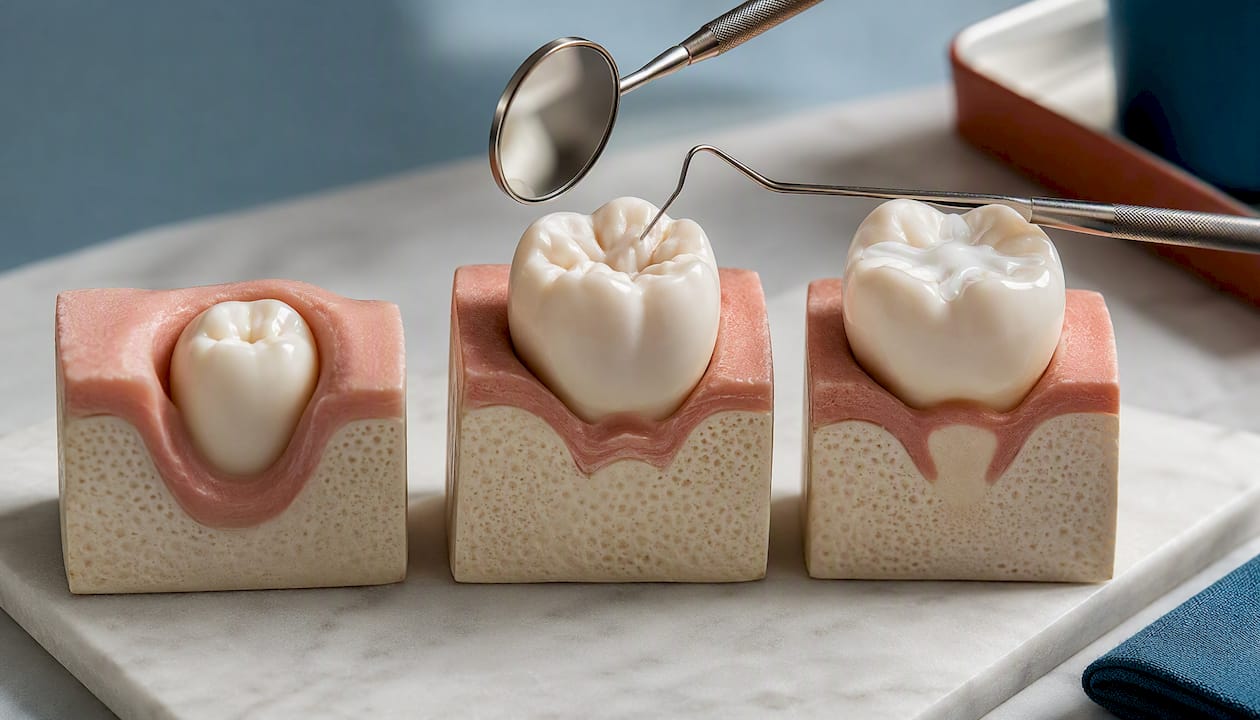
- The sealant material is painted into the pits and fissures.
- A curing light hardens the material in seconds.
- The dentist checks the bite to make sure the sealant doesn’t interfere with normal chewing.
Saliva contamination during the etching or application step is the single biggest reason sealants fail to bond properly, according to placement protocols used in public-health sealant programs. That’s also why timing around eruption matters. A tooth that’s still partially covered by gum tissue is harder to isolate.
Pro Tip: Ask your dentist to check for sealant candidacy at the same visit where a new molar is confirmed fully erupted. Waiting even a few months increases the odds that early decay beats you to it.
What Are the Limitations, Risks, and Costs?
Sealants aren’t a complete cavity shield, and it helps to know exactly where their protection stops. They guard chewing surfaces only. They do nothing for the spaces between teeth or along the gumline, where a different kind of decay and gum disease can still take hold.
- Sealants placed over undetected decay can trap bacteria rather than block it, which is why a clean, decay-free surface matters before application.
- The materials used are well established and considered safe, with minimal risk when a trained provider handles placement.
- Out-of-pocket cost typically runs about $40 to $70 per tooth without insurance.
- Most private dental plans cover sealants for children as a preventive benefit; adult coverage is far less consistent, so it’s worth confirming your plan’s age limits and which molars it covers.
- Medicaid, CHIP, and school-based sealant programs meaningfully close the access gap for families without private coverage.
If you’re unsure whether a specific tooth qualifies, ask for an evaluation rather than assuming automatic placement. A dentist can tell within minutes whether a molar’s grooves are deep enough to benefit.
How Long Do Dental Sealants Actually Last?
Most sealants hold up for several years under normal chewing, and some last five to ten years with good care and regular monitoring. They don’t last forever, though, and they can wear down or chip without any obvious symptoms.
- Dentists typically check sealants visually during routine cleanings and confirm their condition with bitewing X-rays.
- A worn or partially missing sealant can usually be repaired or reapplied in one short visit.
- Sealants work best alongside daily brushing and fluoride exposure, not as a replacement for either.
Skipping regular checkups is the most common reason a failing sealant goes unnoticed until decay has already started underneath it.
Why Towne Dental Takes Prevention Seriously
Towne Dental treats sealants as part of a broader preventive strategy for kids and adults, not a one-off add-on. The clinic’s pediatric and general dentistry services are built around catching decay risk early, before a filling becomes the only option.
A sealant visit typically includes a quick exam of eruption status and cavity risk, a discussion of insurance coverage, and same-day placement when the tooth qualifies. No drama, no drilling, just a straightforward preventive step.
Patients who come in for routine pediatric care often leave with sealants already placed on newly erupted molars, timed exactly when the evidence says they matter most.
Are Dental Sealants Worth It for Your Family?
The evidence makes this an easy call for most eligible molars, especially in children whose permanent teeth just erupted. The right move is a conversation with your dentist about which teeth qualify, what your insurance actually covers, and when to schedule. Sealants don’t replace brushing or fluoride. They just close a gap those two things can’t reach on their own.
— Towne Dental
Ready to Get Sealants Evaluated?
Families are given a straightforward path to preventive care instead of waiting for a cavity to force the issue. Visit the general dentistry page to see how preventive visits, cleanings, and sealants fit together for both kids and adults, or check the full range of services if you’re due for other care during the same trip.

Scheduling takes a few minutes, and the team can walk you through what your insurance plan actually covers for sealants before you commit to anything out of pocket. If your child’s first or second molars have recently come in, or you’re an adult who’s never had deep grooves evaluated, request an exam and let a dentist tell you honestly whether sealants make sense for your specific teeth.
Sources
The CDC’s fast facts on sealants and school sealant program data, the ADA’s clinical guideline, the NIDCR overview, and Cleveland Clinic’s patient explainer all informed this article.
This article is general information, not a substitute for advice from a qualified doctor. Consult a qualified healthcare professional about your own circumstances before acting on anything here.
- Dental Sealants | American Dental Association
- Dental Sealant Facts | Oral Health | CDC
- Dental Sealants: How They Work | Cleveland Clinic
- Does Dental Insurance Cover Sealants for Kids or Adults? – LegalClarity
FAQ
What Are the Downsides of Dental Sealants?
Sealants only protect chewing surfaces, not the areas between teeth or along the gumline, and they can occasionally fail if applied over undetected decay or contaminated with saliva during placement.
Is It Worth Getting Sealants on Your Teeth?
For most people with deep pits and fissures on molars, yes. The ADA found a 73% reduction in new cavity risk, which makes sealants one of the more cost-effective preventive treatments available.
Why Doesn’t Everyone Get Dental Sealants?
Access and awareness are the biggest barriers. Adult coverage is inconsistent, and lower-income children historically have had less access, which is exactly why school sealant programs exist.
How Long Does a Sealant Last on Teeth?
Most sealants last several years, and some hold up for five to ten years with regular dental checkups to monitor wear and reapply as needed.
Do Dental Sealants Work for Adults, Too?
Yes, though it’s less common. Adults with deep grooves and no existing decay or fillings on a tooth can still benefit, even if insurance coverage for adult sealants is less consistent than for children.