Build a shortlist of two or three nearby practices, then verify each dentist’s state license and insurance participation before you book anything. Once you’ve confirmed those basics, schedule a consultation to judge communication style, comfort measures, and how the office handles emergencies. Some dental practices publish their service scope and emergency options up front, which is the kind of transparency you should expect from any practice on your list.
TL;DR:
- Most practices should provide transparent information about licensure, emergency handling, and scope of services before booking an appointment.
- Confirm that the practice’s office hours and location match your schedule and transportation options to avoid logistical issues.
- Verify insurance acceptance and request a written cost estimate upfront to prevent unexpected expenses during treatment.
- During consultation, ask about the dentist’s credentials, emergency procedures, and how they build treatment plans to assess competence and communication.
- Check for red flags such as vague billing responses, rushed visits, or refusal to verify licensure, which indicate a less trustworthy practice.
Table of Contents
- How Do You Choose a Dentist Based on Access and Cost?
- Where Should You Start Your Search?
- What Should You Ask During the Consultation?
- How Do You Know When You’ve Found the Right Fit?
- How Does Towne Dental Fit This Checklist?
- A Note on Choosing Long-Term Dental Care
- Ready to Book a Consultation?
- Where to Verify Credentials and Learn More
- Sources
- FAQ
How Do You Choose a Dentist Based on Access and Cost?
Before you evaluate bedside manner or technology, rule out the practices that simply won’t work logistically. A dentist with excellent reviews does you no good if their office closes before you get off work or sits 40 minutes from home.
Start narrowing your list with these practical filters:
- Office hours and location. Confirm the practice offers appointment times you can actually keep, and check parking or transit access if that affects your ability to show up for routine cleanings.
- Insurance and payment options. Call ahead to confirm the practice accepts your plan. If it’s out-of-network, ask for typical out-of-pocket ranges before your first visit, not after.
- Scope of services. A practice that handles general, pediatric, and emergency care under one roof means fewer referrals and less runaround if something unexpected comes up.
Checking these three things first saves you from falling in love with a dentist you can’t realistically use. It also sets up smarter questions for the consultation phase, since you’ll already know what’s logistically off the table.
Where Should You Start Your Search?
Choosing a dentist gets easier once you know which sources actually tell you something useful, versus which ones just add noise. Work through these in order:
- Check the ADA Find‑a‑Dentist tool and your state’s dental board license lookup. The American Dental Association frames a dentist as your “dental home,” and its guidance recommends verifying licensure before anything else. A state board page, like Ohio’s dental licensure verification portal, will show whether a license is active and flag any disciplinary history.
- Ask people you trust. Referrals from family, friends, or your primary care physician tend to surface practical details that online listings miss, like whether a dentist rushes appointments.
- Read multiple recent reviews, not just the top one. One glowing or scathing review tells you almost nothing. A pattern across a dozen recent reviews tells you a lot.
- Call the office if something looks off. If a website claims services the reviews never mention, or a phone number doesn’t match the listing, a quick call clears up confusion faster than more searching.
Layering these sources catches problems a single search never would.
What Should You Ask During the Consultation?
Once you’ve narrowed your list, book an actual consultation, not just a hygiene appointment. When you call, ask about new-patient availability, what paperwork to bring, and how long the first visit typically runs. That call alone tells you something: an office that answers clearly and patiently is giving you a preview of what routine care will feel like.
During the visit itself, come with a short list of direct questions:
- Confirm the dentist’s DDS or DMD credential and current state license.
- Ask how they typically build a treatment plan for a new patient.
- Ask what pain control or anxiety management options they offer if dental anxiety tips matter to you specifically.
- Ask who covers emergencies after hours and how that handoff works.
- Ask which procedures happen in-office versus which require a referral out.
- Ask how they handle cost estimates and whether you’ll get anything in writing before treatment starts.
Pay attention to what you observe, not just what you’re told. Is the office clean? Does staff actually record your health history, or wave you through? Does the dentist explain things in plain language, or rush past your questions? Research on patient-centered communication links clear, plain-language explanations to higher patient trust and better follow-through on treatment. That’s not a soft metric. It predicts whether you’ll actually stick with the care plan.
Pro Tip: Bring a written list of your questions instead of relying on memory. Consultations move fast, and a printed list keeps you from leaving with half your concerns unaddressed.
How Do You Know When You’ve Found the Right Fit?
After the consultation, weigh what you saw against a simple mental checklist: licensure, communication, access, cost transparency, and whether this practice can handle your future needs, not just today’s. Expert guidance from U.S. News consistently points to competence, compassion, and a preventive-care focus as the traits that separate a good long-term dental home from a forgettable one.
Watch for red flags that should send you back to your shortlist:
- The office can’t or won’t confirm the dentist’s license when asked directly.
- Billing questions get vague, evasive answers instead of numbers.
- You feel pressured into treatment before you’ve had time to think it over.
- Visits feel rushed, with little time for your questions.
If your case needs a specialist, such as an orthodontist or endodontist, a good general dentist refers you out rather than tackling something outside their scope. And if you’re already with a dentist who isn’t working out, switching is simpler than most people expect: request your records, book a consultation elsewhere, and let the new office handle the transition.
How Does Towne Dental Fit This Checklist?
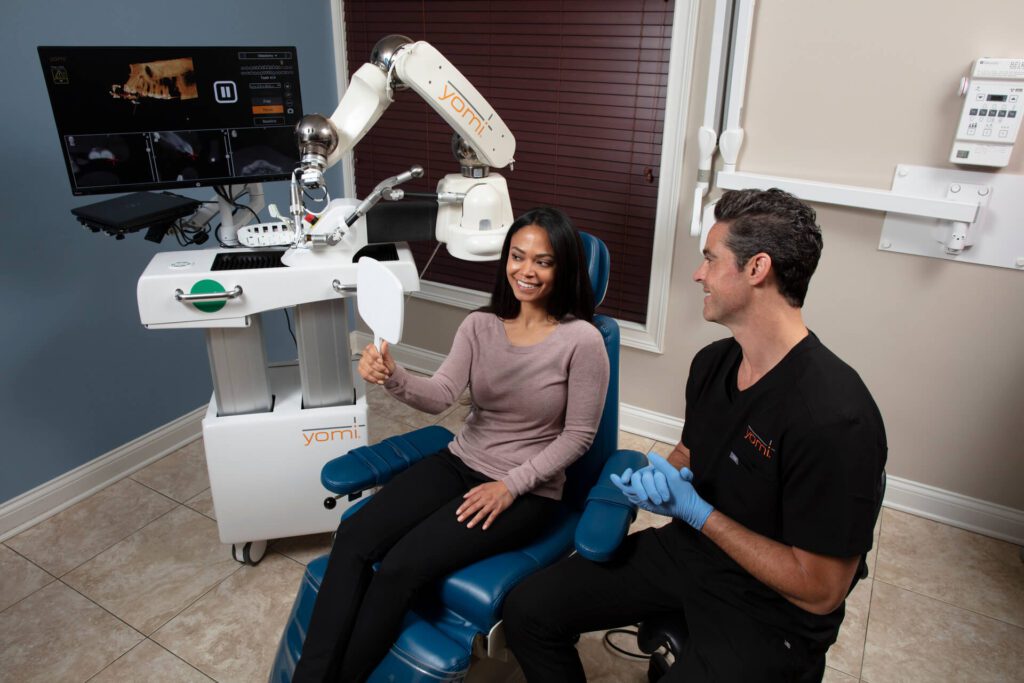
Towne Dental offers general, cosmetic, pediatric, emergency, and specialized care under one roof, including sedation options for patients managing dental anxiety and the Yomi robotic system for implant precision. That range means fewer referrals for common needs and a documented emergency care option, which addresses two of the biggest checklist items above.
A practice earns trust not by claiming expertise but by making that expertise easy to verify. Ask any dentist, including ours, for their license number, a written estimate, and references. A practice confident in its own care will hand those over without hesitation.
The same verification steps outlined earlier apply here too. Check any dentist’s state license, request a written cost estimate, and ask directly about the questions covered in the consultation checklist. That standard applies to Towne Dental exactly as it applies to anyone else on your list.
A Note on Choosing Long-Term Dental Care
Picking a dentist is really about picking a partner for your ongoing health, not just booking one appointment. The right fit shows up in small things: an office that explains options clearly, follows through on emergencies, and doesn’t treat billing like a secret. Verify what you’re told, trust your read on communication, and don’t settle for a practice that makes you feel rushed.
— Towne Dental
Ready to Book a Consultation?
If you’ve worked through the checklist and want a practice that covers most basic needs, some dental clinics provide general, emergency, and specialized care in one location, so you’re not juggling referrals across town. That matters most when something urgent comes up. Instead of scrambling to find an emergency dentist who’ll actually see you same-day, you already know who to call.
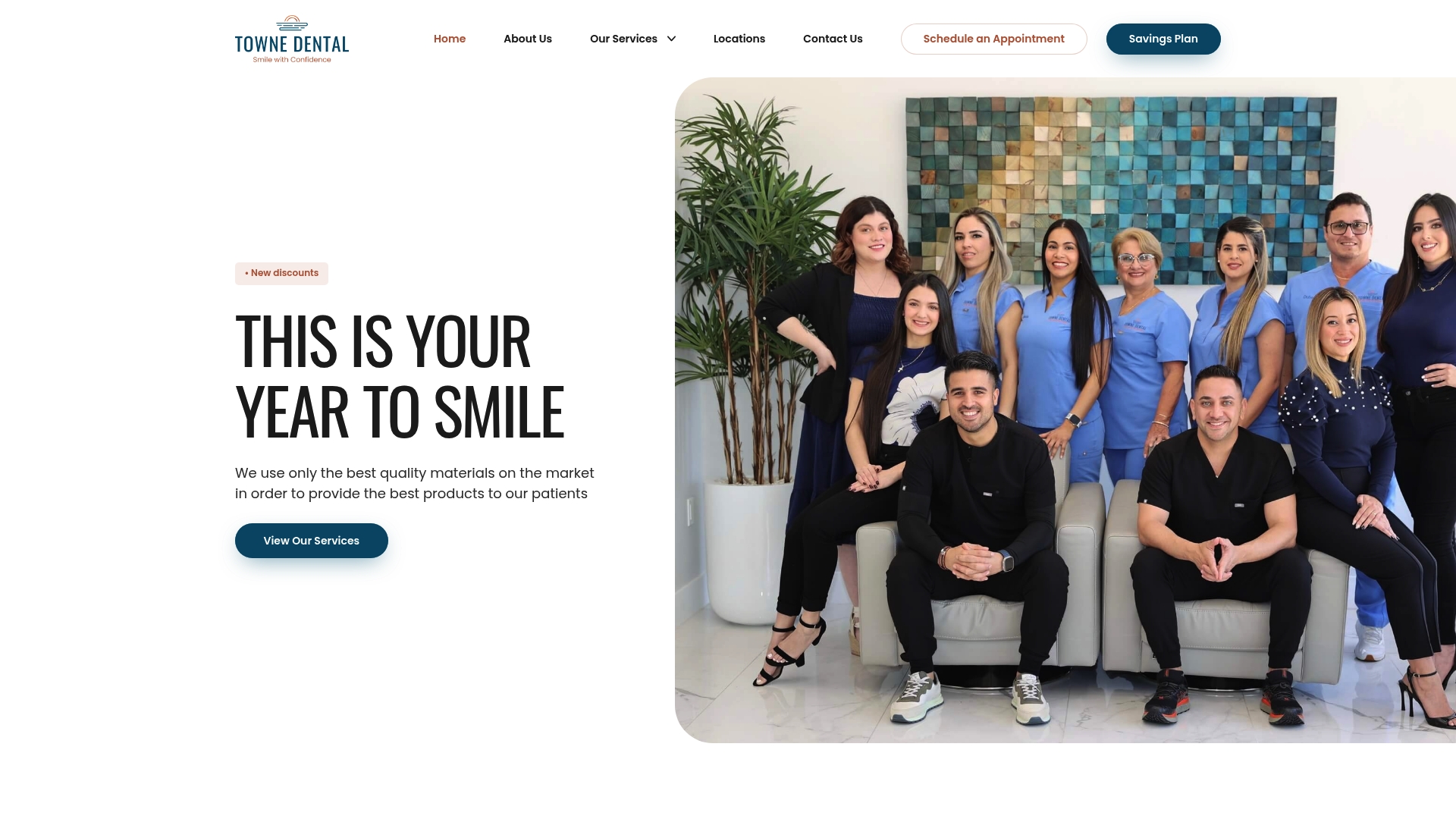
Towne Dental’s emergency dental services handle urgent situations directly, and the broader service menu covers everything from routine cleanings to implants using Yomi robotic assistance. If cost transparency matters to your decision, which it should, ask for a written estimate before any procedure starts. We’d also encourage you to verify our team’s licensing independently and compare us against the same checklist you’d apply to anyone else. If you’re ready to take the next step, schedule a consultation and see whether the fit is right for you.
Where to Verify Credentials and Learn More
- ADA Find‑a‑Dentist and selection guidance
- State dental board license verification example
- ADA member ethics and principles
- Website features that improve patient experience
This article is general information, not a substitute for advice from a qualified doctor. Consult a qualified healthcare professional about your own circumstances before acting on anything here.
Sources
- Ohio dental licensure verification
- Patient-centered communication research (PMC)
- How to find a good dentist (U.S. News)
FAQ
What Is the 3-3-3 Rule for Dental Care?
There’s no single agreed-upon clinical standard called the “3-3-3 rule” in dentistry. If you’ve seen it referenced, treat it as informal advice rather than an established guideline, and rely instead on your dentist’s specific recommendations for brushing, flossing, and check-up frequency.
Which Teeth Usually Get Cavities First?
Molars, especially the back ones with deep grooves, tend to develop cavities first because their surfaces trap food and plaque more easily than smoother front teeth. Regular checkups and sealants can catch this early, which is worth asking about during a consultation.
What Should I Know About Switching Dentists?
There’s no fixed rule requiring you to switch dentists after a set number of years. Switch whenever your current provider stops meeting your needs, whether that’s communication, cost transparency, or access, and simply request your records be transferred to the new practice.
How Can I Tell If a Dentist Is Actually Good?
Look for verified licensure, clear plain-language explanations, transparent cost estimates, and reasonable wait times for both routine and emergency care. Practices like Towne Dental that publish their service scope and emergency options openly make that verification easier from the start.
Do I Need to Ask About Insurance Before Booking a Consultation?
Yes. Confirming insurance participation or getting an out-of-pocket cost range before your first visit avoids billing surprises and helps you compare practices on equal footing.