Take an over the counter pain reliever like ibuprofen at the first sign of soreness, follow it with a cold compress against your cheek, and press a small piece of orthodontic wax over any bracket that’s rubbing. Most soreness peaks within a couple of days after placement or an adjustment, then fades within about a week. Call your orthodontist right away if you feel sharp pain, notice a broken wire or bracket, or if soreness hasn’t improved after several days of home care.
TL;DR:
- Over-the-counter NSAIDs like ibuprofen are more effective than acetaminophen for inflammation-related orthodontic pain, especially when taken preemptively.
- Most soreness from braces peaks within two days after placement or adjustment and typically resolves within a week with home remedies.
- Sharp pain or persistent discomfort after several days warrants immediate contact with the orthodontist for potential hardware adjustments or repairs.
- Mechanical irritation from poking wires or brackets can be temporarily relieved with orthodontic wax and home fixes, but persistent issues need professional intervention.
- Nonpharmacologic options like laser therapy, vibration, or acupuncture may help reduce pain but should complement, not replace, standard treatments.
Table of Contents
- Why Braces Hurt and How Long the Pain Really Lasts
- What’s the Best Medicine for Braces Pain Relief?
- How to Use Orthodontic Wax and Other Quick Fixes for Poking Wires
- Do Laser Therapy, Vibration, or Acupuncture Actually Help?
- Soft Foods, Cold Relief, and Mouth Care That Actually Helps
- When Braces Pain Means You Should Call Your Orthodontist
- The Towne Dental Perspective on Braces Discomfort
- What to Expect From a Braces Pain Visit at Towne Dental
- Sources
- FAQ
Why Braces Hurt and How Long the Pain Really Lasts
Braces hurt for two separate reasons, and knowing which one you’re dealing with changes how you treat it. The first is biological: brackets and wires apply steady pressure that shifts teeth through bone, and that process stretches the periodontal ligament and triggers mild inflammation. That’s the dull, achy soreness most people describe after getting braces put on or tightened. The second cause is mechanical. A wire end or bracket edge rubs against your cheek, lip, or tongue and creates a small sore spot, similar to a shoe rubbing a blister into your heel.
The timeline for each follows a predictable pattern. After initial placement, discomfort usually starts within a few hours as any anesthetic numbness wears off, climbs to a peak within a couple days, and then eases steadily over the following several days. Orthodontists note that initial placement tends to hurt longer than routine adjustment visits, since your mouth is adapting to hardware it’s never felt before, not just responding to a fresh round of tightening.
Adjustment soreness generally runs a shorter, milder course, often resolving within a day or two. Here’s the quick way to tell what you’re dealing with:
- Dull, generalized ache across multiple teeth: normal tooth movement, treat with medicine and time.
- Sharp, localized pain from one specific spot: likely a poking wire or loose bracket, needs wax now and possibly an office visit.
- Pain that gets worse instead of better after day three: worth a call to your orthodontist regardless of which type it seems to be.
What’s the Best Medicine for Braces Pain Relief?
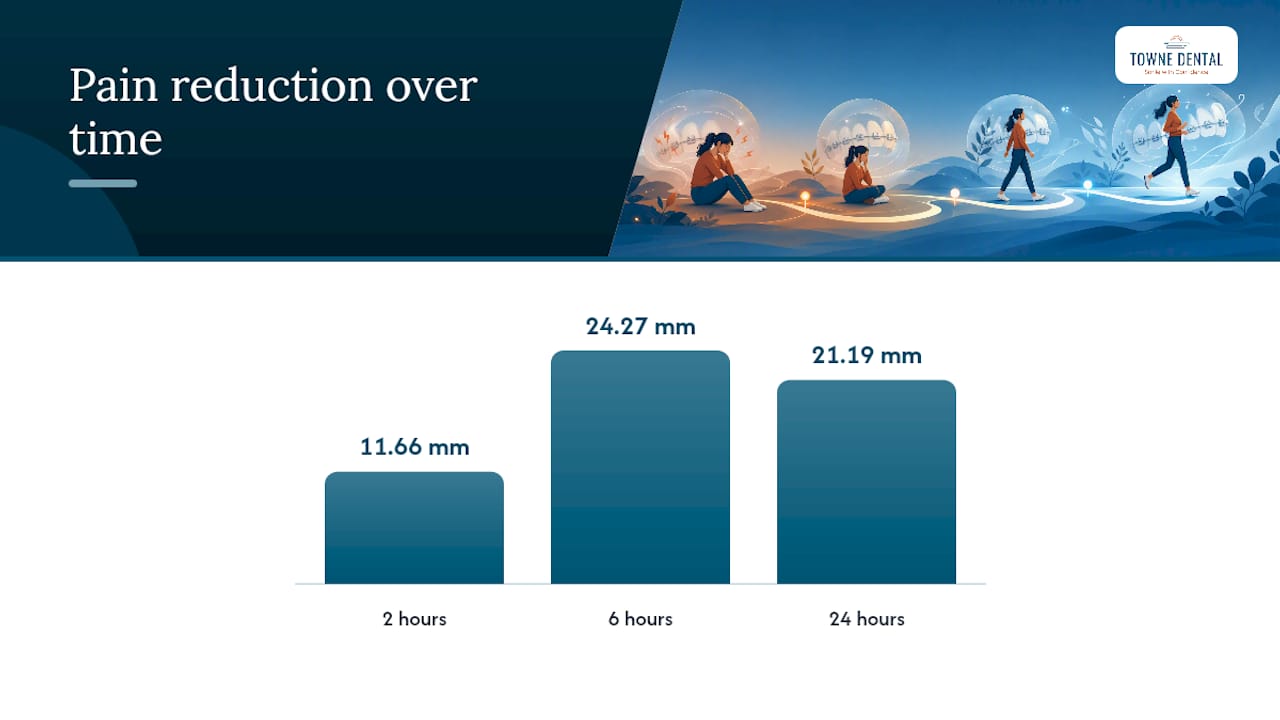
Ibuprofen and naproxen sodium consistently outperform acetaminophen for the inflammation-driven soreness braces cause, though all three beat taking nothing. A systematic review of orthodontic pain studies found that common over the counter analgesics, including ibuprofen, acetaminophen, naproxen sodium, and aspirin, produced measurable pain reductions compared with placebo at 2, 6, and 24 hours after treatment.

The numbers are worth knowing. Pooled data across these trials showed average pain reductions of roughly 11.66 mm at 2 hours, 24.27 mm at 6 hours, and 21.19 mm at 24 hours on a 100 mm pain scale, meaning relief tends to build over the first several hours rather than hit instantly. That pattern matters for timing your dose.
Preemptive dosing beats reactive dosing. Taking ibuprofen about an hour before you expect pain to peak, such as right after leaving the orthodontist’s chair or before bed on adjustment night, tends to blunt the soreness more effectively than waiting until it’s already intense. Research comparing preemptive and postoperative NSAID use in orthodontic patients supports dosing ahead of the pain curve rather than chasing it.
A few safety notes worth keeping in mind:
- Always follow the label dose for age and weight. Don’t stack multiple NSAIDs (ibuprofen plus aspirin, for example) at once.
- If you take a prescription blood thinner or have a history of stomach ulcers or kidney issues, check with your doctor before using NSAIDs regularly.
- Acetaminophen is the safer default for anyone with NSAID contraindications, even though it tends to show a smaller effect on inflammation.
- Some clinicians raise a theoretical concern that heavy, repeated NSAID use might slightly slow tooth movement, so short courses timed around adjustments are generally preferred over daily use for weeks on end.
Young children and anyone unsure about drug interactions should get a quick check from a pharmacist or physician before starting a dosing routine, especially if other medications are already part of the picture.
How to Use Orthodontic Wax and Other Quick Fixes for Poking Wires
Mechanical irritation from a wire end or bracket edge needs a different fix than medicine. Wax creates a smooth barrier between metal and soft tissue, and it works within minutes.
- Dry the bracket area with a tissue or cotton ball. Wax won’t stick to a wet surface.
- Roll a pea-sized piece of wax between your fingers until it softens and forms a small ball.
- Press it directly over the poking wire or bracket edge, covering the sharp point completely.
- Reapply after meals or whenever the wax falls off, since chewing and brushing will dislodge it.
For a wire end that’s poking further back and wax won’t stay put, a small piece of wet cotton or a segment of floss looped around the wire and tucked against the bracket can hold it in place temporarily. Neither trick fixes the underlying problem: a wire that’s genuinely too long or a bracket that’s come loose still needs a clinician to trim, adjust, or rebond it. Clinic guidance on mechanical irritation from braces is consistent on this point: wax buys you comfort, not a repair.
Topical oral anesthetic gels, the kind with benzocaine, can numb a sore spot for an hour or two. Use a small dab, not a thick layer, and skip benzocaine gels entirely for children under two, per FDA warnings about a rare blood condition tied to benzocaine in young kids. Adults and older kids can use it sparingly on irritated gum tissue, following the label’s frequency limit.
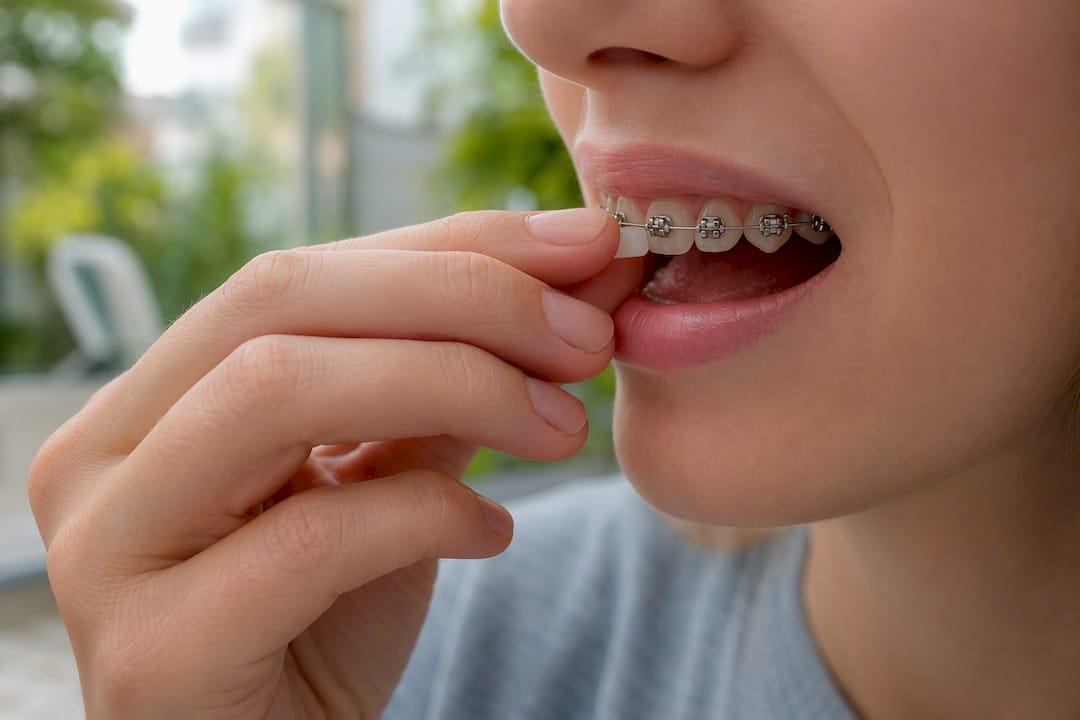
Pro Tip: Keep a spare wax pack in your school bag, gym bag, and car. The moment you need it is never the moment you’re standing in front of your bathroom mirror.
If a bracket feels loose but hasn’t fallen off, leave it alone, cover any sharp edge with wax, and snap a quick photo before your next visit so your orthodontist can see exactly what shifted.
Do Laser Therapy, Vibration, or Acupuncture Actually Help?
Nonpharmacologic options have real evidence behind them, though the research comes with caveats about consistency. A network meta-analysis of physical interventions for orthodontic pain found that low-level laser therapy (LLLT), vibration therapy, chewing therapy, and acupuncture each produced statistically meaningful pain reductions at 24 and 48 hours after activation. LLLT ranked particularly high for early relief, with a SUCRA score of 80.8 at the 24 hour mark, a statistical measure of how consistently it outperformed other treatments across the pooled studies.
A newer 2026 network meta-analysis placed pharmacological options like etoricoxib and naproxen at the top for 24 to 48 hour pain control, while ranking LLLT and vibration as strong nonpharmacologic adjuncts and favoring acupuncture specifically at the 48 hour mark.
What that means practically:
- Chewing therapy is the easiest to try at home: chewing a soft wafer or chewy food shortly after an adjustment stimulates blood flow around the ligament and has shown modest pain reductions in trials.
- Vibration devices marketed for orthodontic comfort are sold over the counter and used a few minutes daily; results are promising but protocols vary widely between studies.
- LLLT and acupuncture are typically offered in-clinic, not as home remedies, and access depends on whether your orthodontist’s office provides them or can refer you out.
The honest caveat here is that protocol variability across these studies limits how confidently anyone can say “do exactly this for exactly this long.” Treat these as reasonable adjuncts to medicine and cold therapy, not replacements, and run any clinic-based option like LLLT past your orthodontist first.
Soft Foods, Cold Relief, and Mouth Care That Actually Helps
What you eat and how you rinse in the first few days matters almost as much as medicine. Stick to soft foods for the first one to three days after placement or a tightening: think smoothies, soups, yogurt, mashed potatoes, scrambled eggs, and soft-cooked fish. Chewing crusty bread or raw vegetables against sore, moving teeth is asking for unnecessary pain.
Cold works fast because it numbs nerve endings and calms inflamed tissue. Ice water, chilled applesauce, and ice cream in moderation all provide near-instant comfort, which is why cold therapy shows up in nearly every orthodontist’s advice sheet.
For sore spots on your cheeks or gums, a saltwater rinse is cheap and effective. Mix one teaspoon of salt into eight ounces of warm water, swish for 30 seconds, and spit, repeating two to three times a day. The American Association of Orthodontists recommends this exact ratio for soothing irritated tissue and supporting healing of minor mouth sores.
- Brush with a soft-bristled brush, angled carefully around each bracket, especially when gums feel tender; also consider fluoride free toothpaste alternatives if you experience product sensitivity during orthodontic care.
- Use interdental brushes or floss threaders daily. Skipping cleaning around sore spots lets plaque build up and makes irritation worse, not better.
- A fluoride rinse adds extra cavity protection during weeks when brushing feels uncomfortable and might get rushed.
- Skip acidic foods (citrus, soda) and spicy dishes for a few days. Both aggravate already-inflamed tissue and sting on contact.
When Braces Pain Means You Should Call Your Orthodontist
Most soreness is normal and resolves on its own. Certain signs mean it’s time to pick up the phone instead of waiting it out.
- Sharp, worsening pain rather than a dull ache that’s gradually improving.
- Pain that breaks through OTC medicine after three to five days of consistent use.
- Swelling that looks infected, especially with redness, warmth, or fever.
- A loose or fallen bracket, or a wire that’s punctured your cheek or gum and can’t be managed with wax alone.
When you call, describe what you’re experiencing as specifically as possible: when the pain started, what you’ve already tried, and a photo of the trouble spot if you can get one. Most offices can work you in for a same-day or next-day quick fix, since trimming a wire or rebonding a bracket typically takes only a few minutes once you’re in the chair.
The Towne Dental Perspective on Braces Discomfort
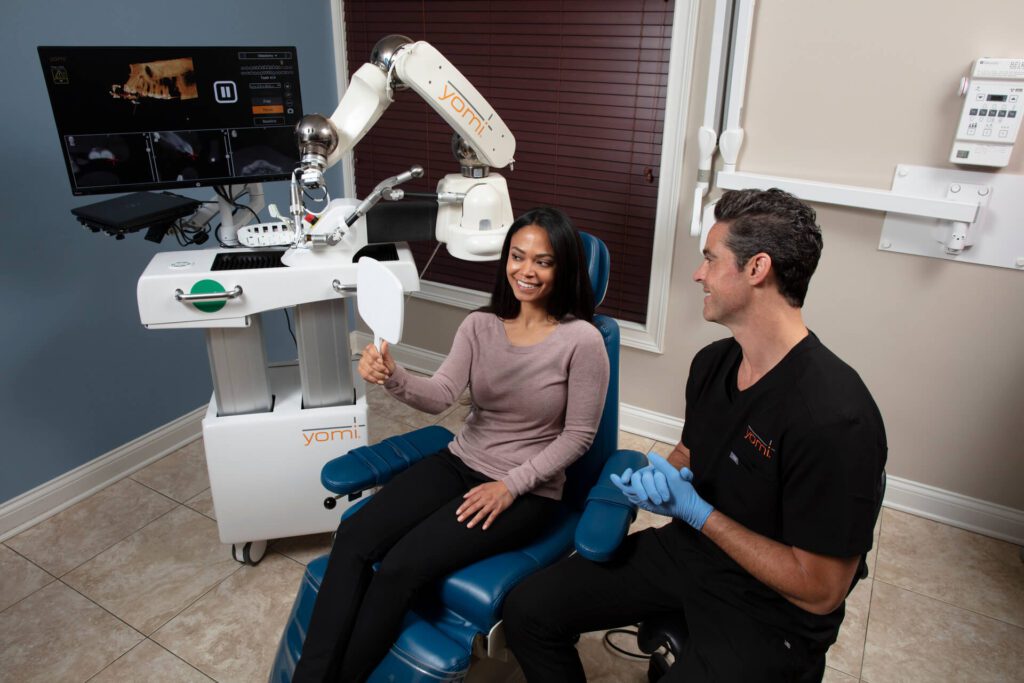
Most braces pain resolves with wax, cold therapy, and a well-timed dose of ibuprofen. Towne Dental sees that pattern hold true across teens and adults alike, which is why the clinical priority is always separating routine soreness from an actual hardware problem. A poking wire or loose bracket needs hands-on repair, not another day of waiting it out at home. Tools like the Yomi® Robot reflect a broader commitment to precision throughout treatment, and that same precision applies to something as simple as trimming a wire so it stops digging into a cheek. Pain-management plans get tailored per patient because a teenager on week one of braces and an adult mid-treatment need different guidance.
— Towne Dental
What to Expect From a Braces Pain Visit at Towne Dental
There are plenty of things you can try at home first, from wax to cold compresses to a well-timed ibuprofen dose. But when a wire won’t stop poking, a bracket comes loose, or soreness lingers well past the usual week, an in-office fix beats another few days of discomfort.
A typical visit for a hardware issue runs quick: an exam of the trouble spot, wire trimming or bracket repair on the same appointment in most cases, and a short-term pain plan if the surrounding tissue needs a few extra days to settle. Bring a photo of the sore spot if you have one, a list of any medications you’ve already taken, and your insurance information so the front desk can move you through check-in fast. Towne Dental’s orthodontics team handles these fixes regularly, whether it’s a first-week adjustment or a mid-treatment wire issue, and clinic visits are exactly the right move when home care has hit its limit or the problem is mechanical rather than muscular. If pain shows up outside office hours or feels urgent, Towne Dental’s emergency dental services are there to get you seen quickly. Reach out through the full services overview to find the right appointment type and get on the schedule.
This article is general information, not a substitute for advice from a qualified doctor. Consult a qualified healthcare professional about your own circumstances before acting on anything here.
Sources
- Orthodontic pain and analgesics: systematic review (PMC6486038)
- Physical interventions for orthodontic pain: network meta-analysis (PLOS ONE, 2024)
- Network meta-analysis comparing pharmacological and non-pharmacological interventions (2026)
- Do Braces Hurt? — American Association of Orthodontists (AAO)
FAQ
How Do I Stop Throbbing Nerve Pain From Braces?
Throbbing, nerve-like pain usually means inflamed tissue around a moving tooth rather than an actual nerve problem. A dose of ibuprofen, a cold compress on the outside of your cheek, and avoiding hard or crunchy foods for a day or two typically brings it under control.
My Braces Spacers Hurt So Bad I Can’t Eat. Is This Normal?
Yes, spacers commonly cause sharp pressure pain for a day or two since they push teeth apart to make room for bands. Stick to soft or liquid foods, use a cold compress, and take an OTC pain reliever; if it hasn’t eased after three days, call your orthodontist.
Is Ibuprofen or Acetaminophen Better for Braces Pain?
Ibuprofen and other NSAIDs generally outperform acetaminophen for braces soreness because the pain is largely inflammation-driven, though acetaminophen is the better choice for anyone who can’t take NSAIDs safely.
How Can I Get Used to Braces Faster?
Sticking to soft foods for the first few days, using wax proactively on any spot that feels tight, and taking pain medicine on a schedule rather than waiting for pain to spike all speed up adaptation, with most people feeling noticeably more comfortable within a week.