Braces work as well for adults as they do for teenagers, and age alone is not a reason to skip treatment. Adult bone responds to orthodontic pressure the same way it always has, just more slowly than adolescent bone, which means adult cases usually run a bit longer and reach the same result: straighter teeth, a healthier bite, and less strain on your gums and jaw.
The real trade-offs come down to three things: how visible you want the appliance to be, how much you want to spend, and how long you’re willing to wear something in your mouth. Metal braces are the cheapest and fastest for complex cases, clear aligners are the least visible but limited to milder misalignment, and ceramic braces sit in between. None of that matters until a licensed provider looks at your teeth, gums, and bite and tells you what’s actually possible.
Before you book anything, run through this quick list:
- Check gum and bone health first. Active gum disease or significant bone loss needs to be treated before an orthodontist will move your teeth.
- Get a full diagnostic workup. X-rays, a digital scan, and a bite evaluation come before any treatment plan, not after.
- Ask about timeline honestly. Adult treatment often takes longer than the typical online estimates; get a number specific to your case.
- Book a consultation. This is the only way to know your real options, real cost, and real timeline.
Key Takeaways
Adult braces work as reliably as adolescent braces, with appliance choice driven by visibility preference, budget, and case severity rather than age.
| Point | Details |
|---|---|
| Age isn’t a barrier | Adult bone responds to orthodontic pressure but remodels more slowly, so treatment often runs a bit longer. |
| Appliance choice depends on severity | Clear aligners suit mild to moderate cases; fixed braces handle complex crowding and bite issues. |
| Insurance is often limited | Many adult dental plans cap or exclude orthodontic coverage, making HSA/FSA funds and payment plans practical fallbacks. |
| Retention is permanent, not temporary | Nightly retainer wear, often indefinitely, is what keeps results from drifting back. |
| Start with a full diagnostic consultation | Towne Dental builds adult treatment plans from digital scans and X-rays, with a written retention plan included from day one. |
This article is general information, not a substitute for advice from a qualified doctor. Consult a qualified healthcare professional about your own circumstances before acting on anything here.
Table of Contents
- Why Adults Choose Braces for Health and Confidence
- What Are the Main Types of Adult Braces and Aligners?
- How Does Adult Orthodontic Treatment Actually Work?
- What Do Braces Cost, and Does Insurance Help?
- How Do You Choose the Right Provider for Adult Braces?
- How Do You Take Care of Braces or Aligners Day to Day?
- What Are the Risks and Limits of Adult Orthodontics?
- How a Modern Dental Clinic Approaches Adult Braces
- Ready to Start? How Towne Dental Helps Adults Get Braces
- Sources
- FAQ
Why Adults Choose Braces for Health and Confidence
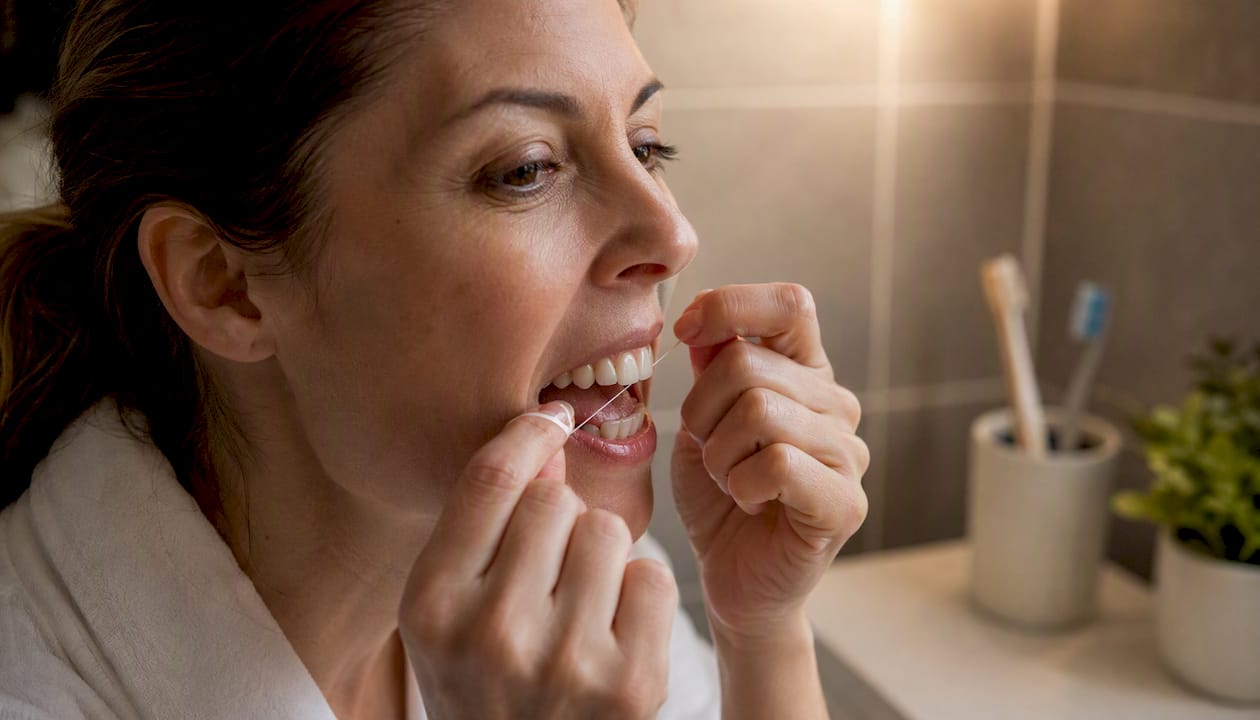
Braces fix two separate problems at once: how your teeth function and how they look, and for adults, the health side often matters more than people expect. A misaligned bite makes teeth harder to clean properly, which raises your risk of plaque buildup and gum disease over time. Crowded or overlapping teeth create tight spots where a toothbrush and floss can’t reach, and that’s exactly where cavities and inflammation start.
Uneven bites also cause mechanical problems that have nothing to do with appearance. Teeth that meet unevenly wear down faster in some spots than others, and that uneven enamel wear can lead to chipping, sensitivity, and jaw strain that shows up as headaches or clicking in the jaw joint. Straightening the bite spreads that force evenly across all your teeth, which protects the enamel you have left.
The American Association of Orthodontists reports that roughly one in three orthodontic patients today are adults, a shift that reflects both better appliance options and a growing understanding that crooked teeth aren’t just a cosmetic issue you age out of worrying about. Many adults getting braces now are doing it for the same reason they’d fix a leaking roof: a problem that gets more expensive to ignore. The AAO’s family orthodontic health guide points out that misalignment can meaningfully increase gum disease risk and drive uneven enamel wear over a lifetime, not just during the teenage years when most people first hear about braces.
The confidence piece is real too, and it’s not vanity. Adults who feel self-conscious about their smile tend to smile less, speak less openly in meetings, and avoid photos. Fixing that isn’t a minor perk of treatment. It’s often the reason people finally book the consultation they’d been putting off for a decade.
What Are the Main Types of Adult Braces and Aligners?
Every option on the market splits along the same three lines: how it looks, what it costs, and what it can actually fix. Here’s how the main choices stack up.
Traditional metal braces use metal brackets and wires, adjusted every few weeks by an orthodontist. They’re the most visible option and also the most capable one.
- Pros: handle the widest range of cases, including severe crowding, large gaps, and complex bite problems; typically the fastest fixed-appliance option for tough cases.
- Cons: most visible, some discomfort after adjustments, dietary restrictions (no sticky or hard foods).
- Clinical limits: virtually none. If your case is severe, metal braces are usually the most reliable route.
Ceramic (clear) braces work identically to metal braces but use tooth-colored or clear brackets that blend into your smile. This is where a common question comes up: are ceramic braces worth it, and do ceramic braces stain? The honest answer is that ceramic brackets themselves resist staining reasonably well, but the clear elastic ties holding the wire in place can pick up discoloration from coffee, red wine, and curry between adjustments. Ceramic braces staining is a maintenance issue, not a flaw in the material, and most orthodontists swap the ties often enough to keep it under control.
- Pros: far less visible than metal, same treatment capability as metal braces, good middle ground between clear braces and metal braces debates.
- Cons: brackets are slightly more brittle, cost more than metal, and clear braces discoloration between adjustments is a real (if manageable) nuisance.
- Clinical limits: same as metal braces. Ceramic is a cosmetic upgrade, not a treatment downgrade.
Self-ligating braces use a specialized clip instead of elastic ties to hold the wire, which reduces friction and may mean slightly fewer adjustment visits.
- Pros: fewer elastic ties to change, potentially fewer office visits, comparable results to traditional braces.
- Cons: brackets cost more, benefits over traditional braces are modest for most cases.
- Clinical limits: handles the same range of problems as traditional braces.
Lingual braces attach to the back of your teeth, facing your tongue, making them essentially invisible from the front.
- Pros: completely hidden from view, full treatment capability.
- Cons: more expensive, harder to clean, can affect speech temporarily, longer adjustment appointments.
- Clinical limits: not always suitable for severe bite problems or very short teeth.
Clear aligners (Invisalign and ClearCorrect are the two most recognized brands) are a series of custom, removable plastic trays that gradually shift teeth. This is the category most adults ask about first, and the clear aligners vs braces question usually comes down to case severity.
- Pros: nearly invisible, removable for eating and brushing, no dietary restrictions.
- Cons: requires discipline (20 to 22 hours a day of wear), not ideal for complex rotations or severe bite issues.
- Clinical limits: best suited to mild to moderate misalignment; more complex malocclusions typically need fixed braces. The AAO notes that success depends heavily on the patient actually wearing the trays as prescribed.
| Option | Best for | Visibility | Typical cost | Treatment time | Maintenance |
|---|---|---|---|---|---|
| Metal braces | Severe crowding, complex bites | Most visible | Lowest | Often fastest for tough cases | Diet limits, regular adjustments |
| Ceramic braces | Moderate to severe cases, cosmetic preference | Low visibility | Mid to high | Similar to metal | Watch for tie discoloration |
| Self-ligating braces | Similar cases as metal, fewer visits preferred | Visible | Mid to high | Similar to metal | Fewer tie changes |
| Lingual braces | Cases needing full correction, total discretion | Hidden | Highest | Similar to metal, longer visits | Harder to clean, speech adjustment |
| Clear aligners (Invisalign, ClearCorrect) | Mild to moderate misalignment | Nearly invisible | Mid range | Varies with compliance | Removable, strict wear schedule |
How Does Adult Orthodontic Treatment Actually Work?
Adult treatment moves through three phases: consultation, active treatment, and retention. Understanding what happens in each one helps you plan your schedule, your budget, and your expectations.
- Diagnostic consultation. Your provider takes X-rays, a digital scan or impressions, and photos, then evaluates your bite, jaw, and gum health. Any active decay or gum disease typically needs to be treated first, since bonding brackets to unhealthy teeth or gums sets treatment up to fail.
- Treatment planning. You get a specific appliance recommendation, a cost breakdown, and a timeline estimate based on your case, not a generic number pulled from a brochure.
- Appliance placement. Brackets get bonded or your first set of aligner trays gets fitted. This appointment usually runs 60 to 90 minutes for fixed braces.
- Active treatment and adjustments. Fixed braces need adjustment visits roughly every 4 to 8 weeks. Aligners typically involve a new tray every one to two weeks with check-ins every 6 to 8 weeks.
- Appliance removal. Once teeth reach their target positions, brackets come off or aligner trays stop.
- Retention phase. You’re fitted for a retainer, worn full time at first and then nightly, often for years.
Adult treatment tends to run longer than adolescent treatment for a straightforward biological reason: adult bone is denser and remodels more slowly than a teenager’s still-developing jaw. The biology behind this comes down to bone remodeling: orthodontic pressure triggers bone to break down on one side of the tooth and rebuild on the other, and that process simply moves at a different pace once your skeleton is fully mature. Adult cases typically take longer than adolescent cases, with treatment duration varying by severity.
What Do Braces Cost, and Does Insurance Help?
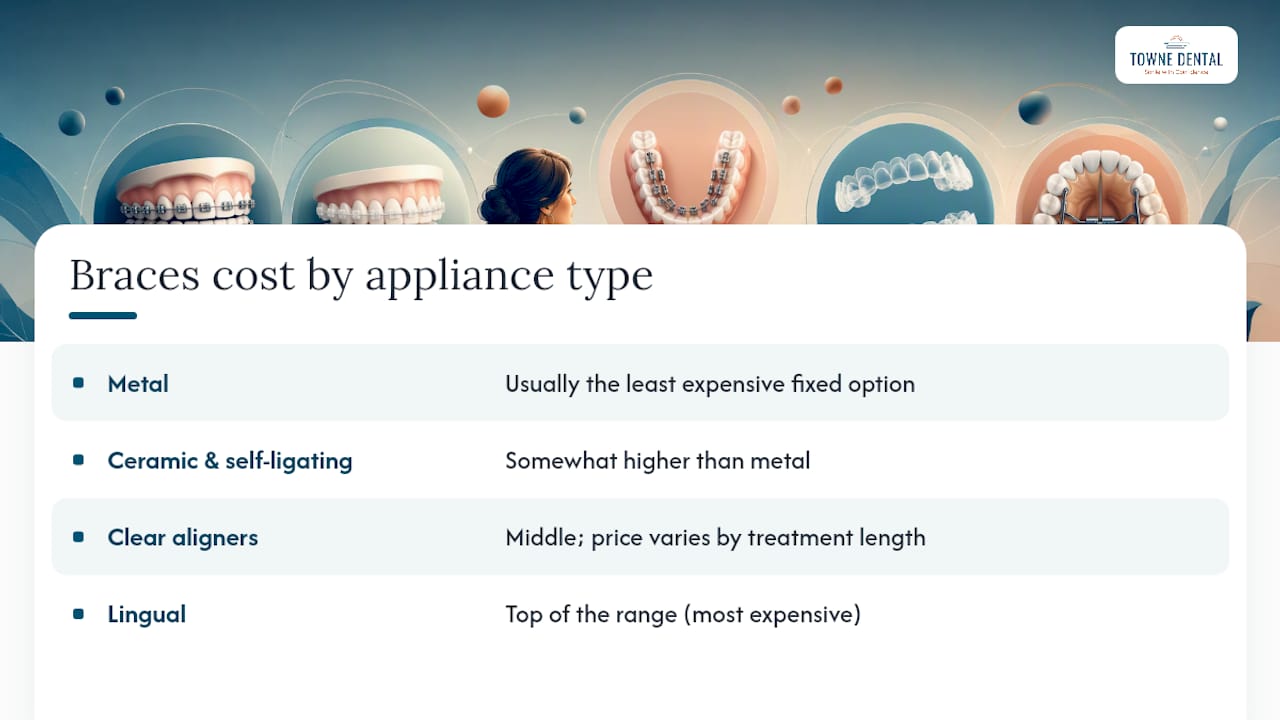
Cost depends far more on the complexity of your case than on which brand of bracket your orthodontist uses, but appliance type still moves the number meaningfully. Metal braces are usually the least expensive fixed option, ceramic and self-ligating braces run somewhat higher, lingual braces sit at the top of the range, and clear aligners land in the middle, though pricing there varies widely by treatment length.
These are ballpark U.S. ranges. Your actual quote depends on case severity, how long you’ll be in treatment, your geographic area, and whether you need any preparatory dental work first.
Insurance is where a lot of adults get an unpleasant surprise. Many dental plans either exclude adult orthodontics entirely or cap the benefit at a lifetime maximum that assumes you’re a child, often a few thousand dollars regardless of your actual treatment cost. Before you commit to a plan, call your insurer and ask three specific things: whether adult orthodontics is covered at all, whether there’s an age cutoff written into the policy, and what the lifetime orthodontic maximum actually is.
If coverage is thin, you have real alternatives. An HSA or FSA lets you pay with pretax dollars, which effectively discounts your treatment by whatever your tax bracket is. Most orthodontic practices also offer in-house payment plans that spread the cost over the length of treatment with little or no interest, which is often a better deal than financing through a third party. Ask about both before you sign anything.
How Do You Choose the Right Provider for Adult Braces?
Pick a provider who treats adult cases regularly and has real experience with whichever appliance you’re leaning toward, not just whoever’s closest to your house. General dentists can place some appliances, but an orthodontist has years of additional specialty training specifically in tooth movement and bite mechanics, and for anything beyond mild crowding, that difference in training shows up in the outcome.
Walk into your consultation with a short list of questions:
- Will you take a full set of diagnostic records (X-rays, scans, photos) before proposing a plan?
- What specific appliance options fit my case, and why do you recommend one over the others?
- What’s a realistic timeline for someone with my exact bite and crowding, not a generic average?
- Can I get a full written cost breakdown, including any fees not covered by insurance?
- What does the retention plan look like once active treatment ends?
- Who actually performs my adjustment visits, you or an assistant?
Pro Tip: If a provider skips diagnostic records and gives you a price and timeline in the same breath as your first hello, treat that as a warning sign, not a convenience. Real treatment planning takes a look at your actual mouth first.
Watch for a few other red flags too: guaranteed timelines that sound too short for your case, vague answers about what happens after your braces come off, and providers who can’t clearly explain why they’re recommending one appliance over another. A provider worth trusting should welcome tough questions, not rush past them. Practices coordinating periodontal care alongside orthodontics, for instance, tend to flag gum issues early rather than discovering them mid-treatment.
How Do You Take Care of Braces or Aligners Day to Day?
Good hygiene habits during treatment aren’t optional extras. They directly affect how fast your treatment goes and how your teeth look once the appliance comes off, since plaque buildup around brackets can leave permanent white spots on enamel.

For fixed braces, brush after every meal if you can manage it, use a floss threader or water flosser to get under the wire, and skip sticky candy, popcorn, and anything you’d bite an apple whole into. For clear aligners, the discipline is different: wear trays 20 to 22 hours a day, remove them to eat and drink anything but water, and brush before putting a tray back in so you’re not sealing food against your teeth for hours.
Emergencies happen, and most aren’t as scary as they feel. A loose bracket can usually wait until your next scheduled visit if it’s not causing pain; cover any sharp wire end with orthodontic wax in the meantime. A broken wire poking your cheek needs a call to your provider, and a lost aligner tray means going back to your last well-fitting tray and calling your orthodontist rather than skipping ahead.
Pro Tip: Keep a small emergency kit in your bag: orthodontic wax, a spare aligner case, and your provider’s direct number. It turns a minor appliance problem from a crisis into a two-minute fix.
Retention isn’t a footnote to treatment, it’s half of it. Teeth have a documented tendency to drift back toward their original position once the pressure holding them in place is removed, which is why most orthodontists now recommend nightly retainer wear indefinitely rather than the old “wear it for a year and you’re done” advice.
What Are the Risks and Limits of Adult Orthodontics?
Braces are safe for the overwhelming majority of adults, but the risks are real enough to know about going in. The most cited concerns are root resorption (a small amount of root shortening that happens during any tooth movement), gum irritation around brackets, longer treatment time compared to adolescents, and relapse if you skip retainer wear after treatment ends.
- Mild root resorption is common and usually not clinically significant; severe resorption is rare but possible with longer or more aggressive treatment.
- Gum inflammation around brackets is largely preventable with consistent brushing and flossing.
- Relapse without a retainer is one of the most predictable failures in orthodontics, not a rare fluke.
- Existing bone loss from gum disease can limit how much tooth movement is safe, which is why periodontal health gets checked first.
Braces alone don’t solve everything. Adults missing teeth, dealing with significant bone loss, or managing TMJ joint problems often need coordinated care with a periodontist, oral surgeon, or restorative dentist alongside orthodontic treatment. Moving teeth into a gap left by a missing tooth, for example, sometimes works better in combination with an implant plan rather than orthodontics doing all the work on its own. This is normal, not a sign that your case is too complicated to fix.
How a Modern Dental Clinic Approaches Adult Braces
Adult orthodontic planning works best when it starts with a complete picture of your mouth, not just your teeth. Towne Dental builds its adult orthodontic plans on digital scans, full X-rays, and a bite evaluation before recommending any specific appliance, which means the plan you get reflects your case rather than a one-size-fits-all default.
The strongest adult treatment plans start with the same question every time: what does this specific mouth need, not what’s the easiest thing to sell. A patient with mild crowding and healthy gums has a completely different plan than someone with a deep bite and a history of gum recession, even if they both walked in asking about “clear braces.”
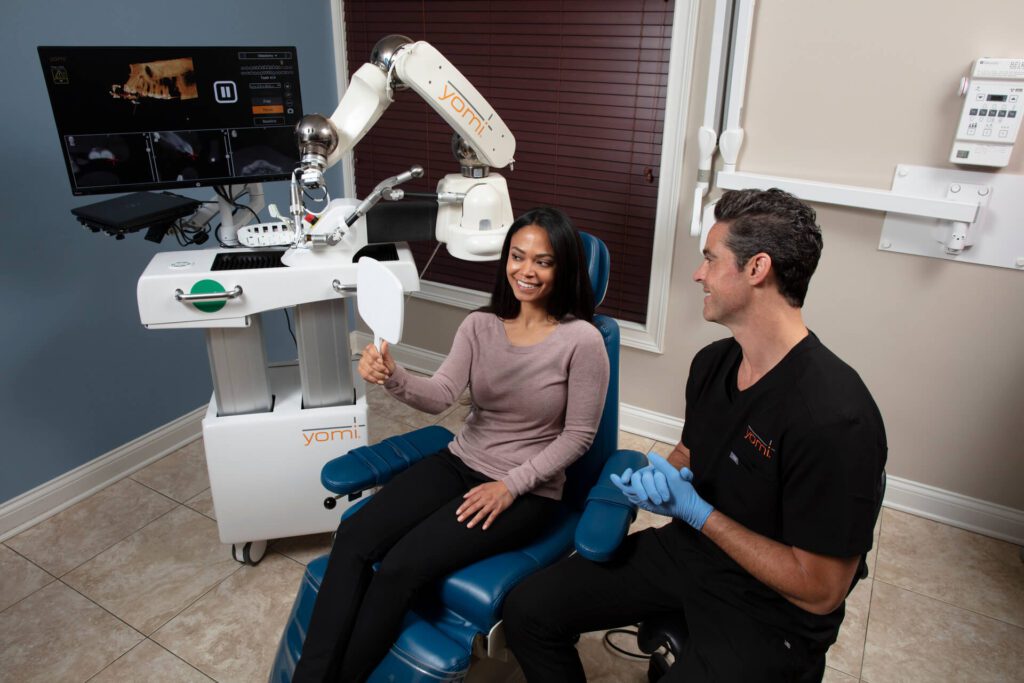
The process at Towne Dental follows the same three phases outlined earlier: a diagnostic consultation with full records, a proposed set of appliance options with real cost and timeline numbers attached, and a treatment path that includes a written retention plan from the start rather than as an afterthought once braces come off. Comfort matters throughout, since adults balancing treatment with work and family life don’t have patience for unnecessary pain or vague scheduling. Where a case needs more than orthodontics alone, whether that’s gum disease treatment or implant placement using the practice’s Yomi robotic system for precision implant surgery, that coordination happens under one roof instead of being left for the patient to figure out.
An honest take on adult orthodontics
Adult orthodontics gets treated as an afterthought in a lot of dental marketing, tacked onto pediatric content like it’s the same conversation with older patients. It isn’t. Adults come in with fully developed jaws, established gum health (good or bad), and real constraints on their time and budget that a 14 year old doesn’t have to think about. That means the planning has to be sharper, the retention conversation has to happen earlier, and the provider has to be honest about timeline rather than quoting the fastest possible number to close the sale. Done right, with a provider who treats your case as genuinely yours and builds retention into the plan from day one, adult orthodontics holds up for decades. Done as an afterthought, it drifts back within a few years and the whole investment gets wasted.
Ready to Start? How Towne Dental Helps Adults Get Braces
Towne Dental treats adult orthodontic cases regularly, from straightforward alignment to more complex bites that need coordination with periodontal or restorative care. If you’ve been putting off treatment because you assumed you’d aged out of the option, that assumption doesn’t hold up. Adults make up a significant share of orthodontic patients today, and the appliance options available now, including ceramic braces and clear aligners, give you far more discretion than braces did a generation ago.
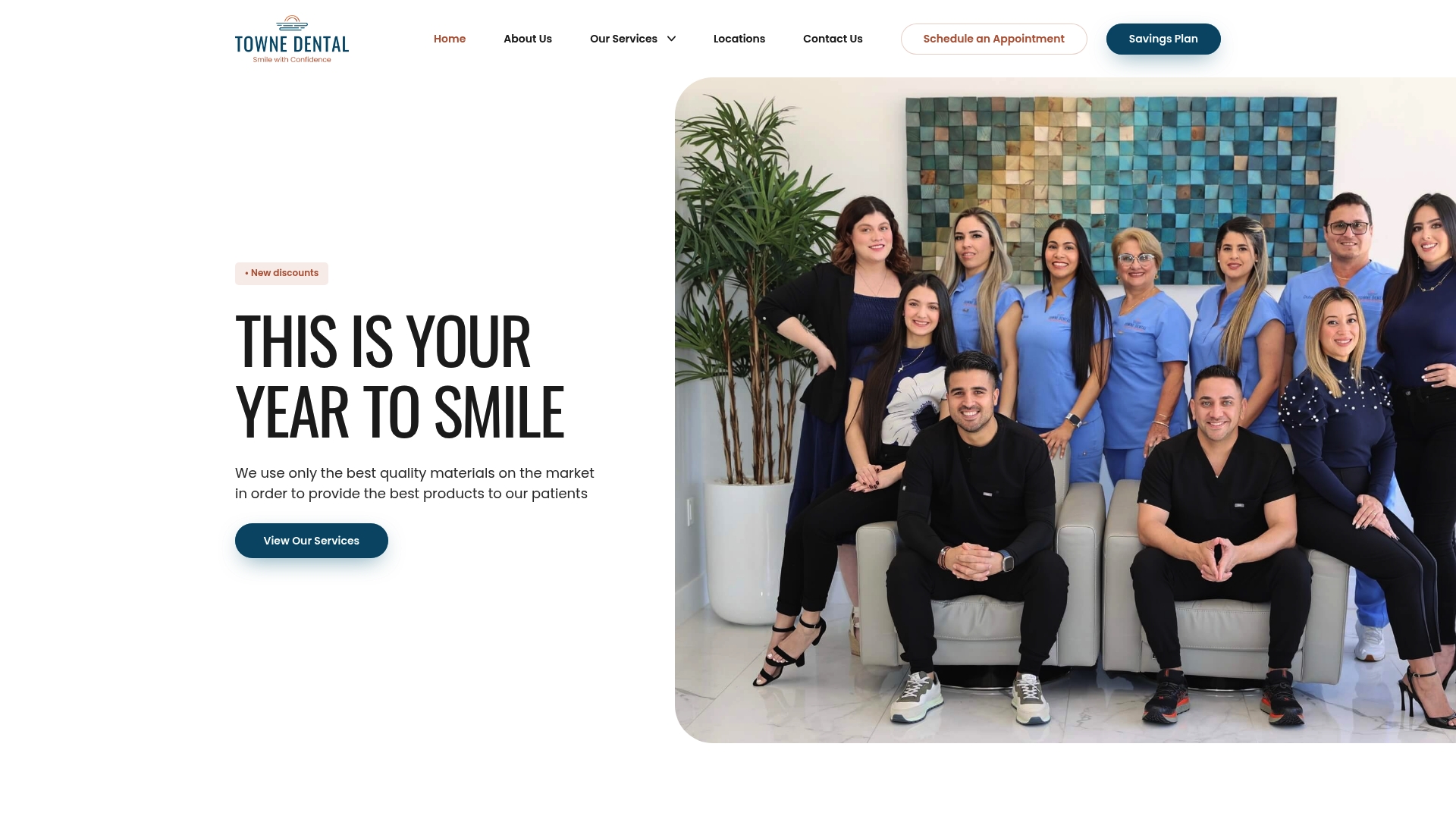
A consultation starts with a full diagnostic workup: digital scans, X-rays, and a bite evaluation, so you leave with real options and a real cost estimate instead of guesswork. Bring a list of any current medications, your dental insurance information if you have it, and any questions from the checklist above. Towne Dental’s team can also help you check what your insurance actually covers for adult orthodontics and walk through in-house financing if coverage falls short. Explore the full range of services available or call the practice directly to schedule your consultation and get a timeline specific to your case.
Sources
- Orthodontic Treatment for Adults: The Rise of Adult Braces — American Association of Orthodontists
- Braces: Types & How They Work — Cleveland Clinic
- PMCID: PMC6340199 — Orthodontic tooth movement biology (NCBI)
- PMCID: PMC10880701 — Retention and relapse (NCBI)
FAQ
Are Braces Worth It for Adults?
Yes, for most adults with healthy gums and bone. Braces improve bite function, reduce uneven enamel wear, and lower plaque buildup around crowded teeth, on top of the cosmetic benefit.
Are Ceramic Braces Worth It Compared to Metal?
Ceramic braces cost more than metal but offer nearly the same treatment capability with far less visibility, making them worth it for adults who want discretion without switching to aligners.
Do Ceramic Braces Stain?
The brackets resist staining well, but the clear elastic ties holding the wire can pick up discoloration from coffee, wine, or curry between adjustment visits.
How Long Do Braces Take for Adults?
Adult treatment often takes longer than adolescent treatment because adult bone remodels more slowly, with treatment duration varying by severity.
Does Insurance Cover Adult Braces?
Coverage is often limited or capped for adults; many plans exclude orthodontics past a certain age, so checking your policy’s lifetime maximum before starting treatment matters.
Should I Choose Clear Aligners or Traditional Braces?
Clear aligners like Invisalign or ClearCorrect work well for mild to moderate misalignment, while traditional or ceramic braces handle more complex crowding and bite corrections. Towne Dental evaluates your specific case at consultation to recommend the right fit.