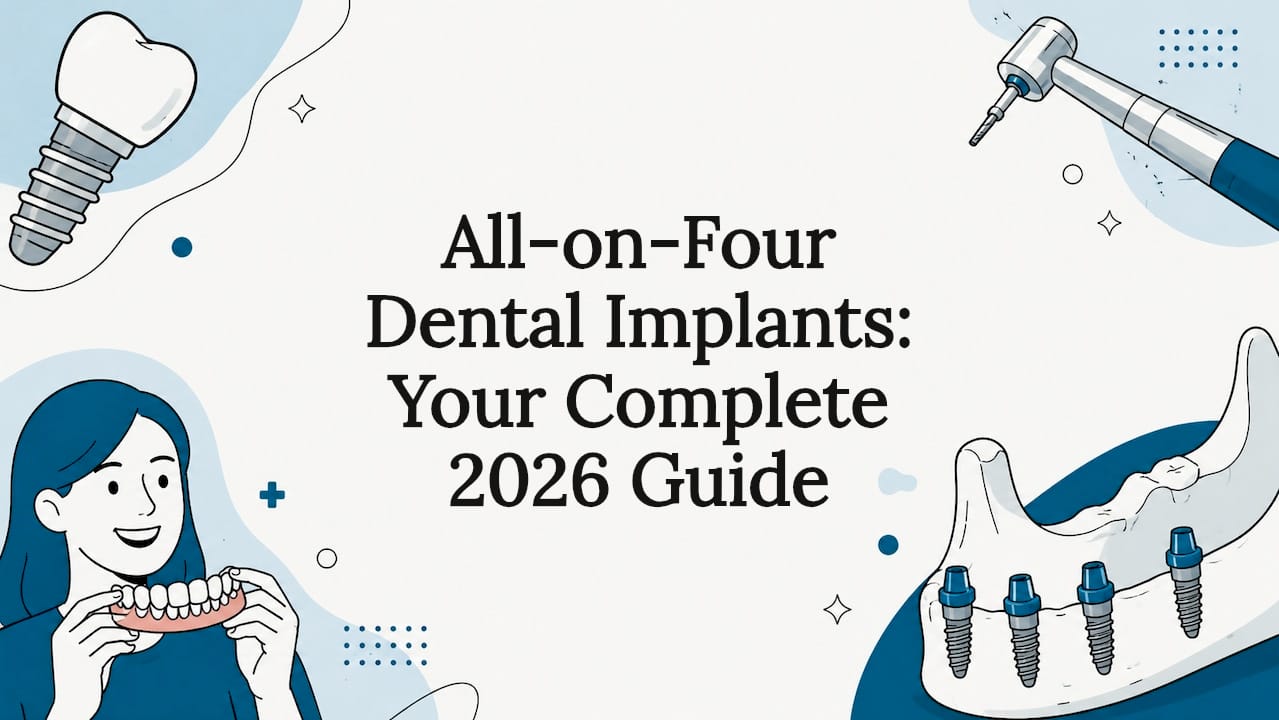
All-on-four dental implants are a fixed full-arch restoration technique that uses four titanium implants per jaw to support a complete set of replacement teeth. Clinically known as the All-on-4 protocol, this approach was documented in the literature as early as 2003 and is classified by the FDA under 21 CFR Part 872. For patients in Bonita Springs who have lost most or all of their teeth, this procedure offers a permanent, non-removable alternative to traditional dentures. The four-implant design makes it possible to restore an entire arch in a single surgical visit, often without bone grafting.
How does the All-on-Four procedure work?
The All-on-4 full arch dental implant process follows a clear clinical sequence from first consultation to final restoration.
-
Consultation and imaging. Your surgeon takes a cone beam computed tomography (CBCT) scan to map bone density, nerve pathways, and sinus anatomy. This three-dimensional image drives the entire surgical plan.
-
Extraction and implant placement. Any remaining non-restorable teeth are removed in the same visit. Two implants are placed vertically at the front of the jaw, and two posterior implants are angled up to 45 degrees to maximize contact with available bone.
-
Immediate temporary prosthesis. A provisional acrylic bridge is attached the same day. It is fully functional for eating soft foods, but it is not designed for heavy biting loads.
-
Osseointegration. Over the next 3–6 months, the titanium implants fuse with the jawbone. This biological process is non-negotiable. You cannot rush it.
-
Final restoration. Once healing is confirmed, the provisional bridge is replaced with a permanent prosthesis, typically zirconia or porcelain-fused metal, which is stronger and more lifelike.
Surgery typically runs 3–5 hours per arch. Most patients receive local anesthesia combined with IV sedation. Multi-unit abutments connect the bridge to the implants and allow the prosthesis to be removed by the dentist for professional cleaning without disturbing the implants themselves.
Pro Tip: Ask your surgeon for a printed copy of your CBCT scan report before surgery. Reviewing it together helps you understand exactly where each implant will be placed and why.
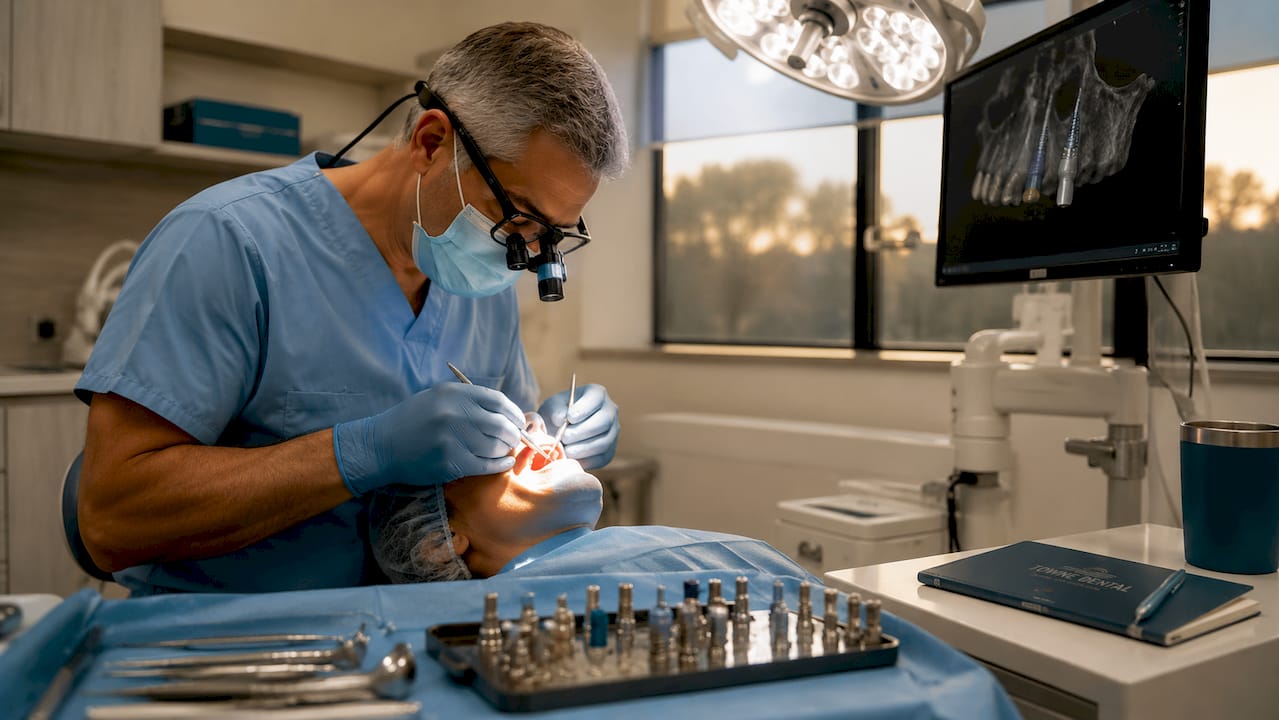
Reading what to expect before dental surgery at Towne Dental gives you a practical checklist for the day of your procedure.
Who is a good candidate for All-on-Four implants?
The All-on-4 implant protocol suits a specific patient profile. Knowing whether you qualify saves time and sets realistic expectations before your first consultation.
Strong candidates typically share these characteristics:
-
Fully edentulous (no remaining teeth) or have teeth that cannot be saved due to decay, fracture, or advanced periodontal disease
-
Adequate bone volume at the anterior and posterior implant sites, even without full ridge height
-
Non-smokers or patients committed to quitting before surgery, since smoking significantly raises implant failure risk
-
Controlled systemic health, meaning no uncontrolled diabetes, autoimmune conditions, or blood-thinning medications that impair healing
-
Willingness to follow strict dietary restrictions for at least three months post-surgery
-
Commitment to professional maintenance visits every 3–6 months long term
The angled placement of the posterior implants is the key reason many patients avoid bone grafting entirely. By tilting implants 30–45 degrees, surgeons bypass the sinus cavity in the upper jaw and the mandibular nerve in the lower jaw, reaching denser bone that is often present even in patients with significant ridge resorption. Patients with severe bone loss may still need grafting, but the All-on-4 protocol reduces that need substantially compared to traditional implant approaches.
Patients with uncontrolled medical conditions or insufficient bone at all four implant sites are not good candidates. A thorough evaluation at a qualified oral surgery practice is the only way to confirm eligibility.
What are the benefits and potential risks of All-on-Four implants?
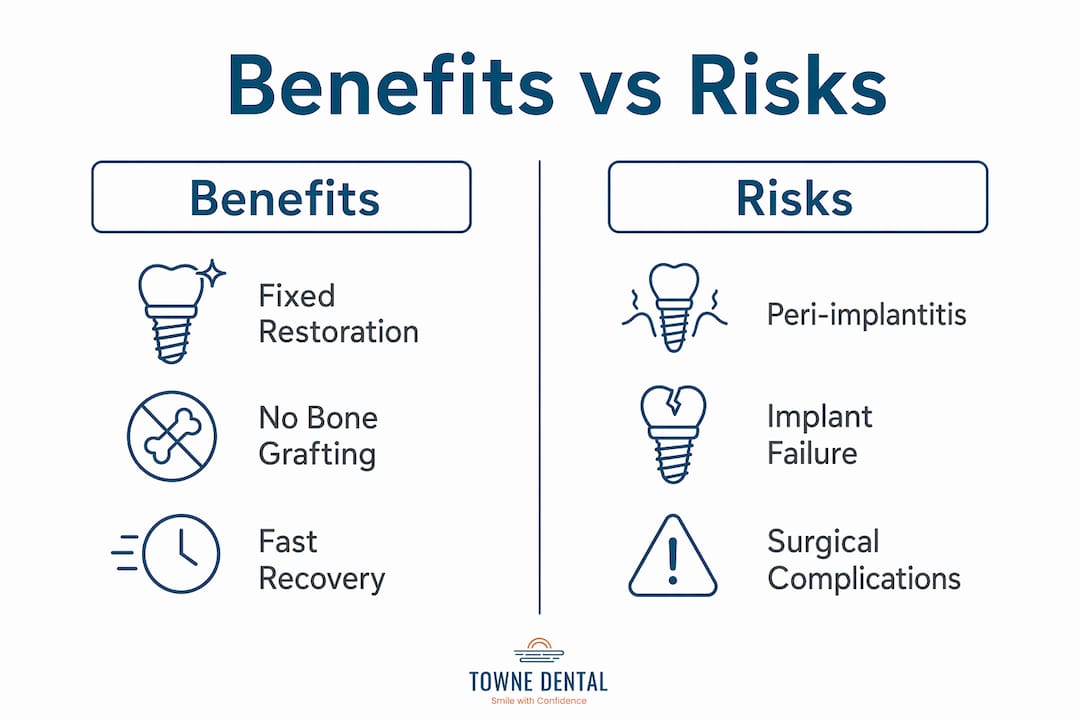
The All-on-4 dental implant system offers real, measurable advantages over removable dentures. It also carries risks that every patient deserves to understand before signing a consent form.
Key benefits
-
Fixed prosthesis. The bridge does not come out at night. It functions and feels like natural teeth, which improves confidence and daily comfort.
-
Reduced grafting need. The angled posterior implants allow placement in existing bone, avoiding the added cost, healing time, and discomfort of bone grafts in most cases.
-
Faster treatment. Patients leave surgery with functional teeth the same day, unlike traditional implant protocols that can take 12–18 months.
-
Bone preservation. Implants stimulate the jawbone the way tooth roots do, slowing the bone resorption that accelerates with dentures.
-
Proven survival rates. Five-year implant survival rates for well-selected All-on-4 cases range from 94% to 98%. That figure reflects cases with proper patient selection and maintenance.
Risks to weigh carefully
-
Peri-implantitis. Bacterial infection around the implant is the leading cause of late failure. Professional cleanings and strict home hygiene are not optional.
-
Implant failure. If an implant fails to integrate, the entire bridge must be removed and the case revised. Failure is more likely in smokers and patients with uncontrolled systemic disease.
-
Prosthesis fracture. The provisional acrylic bridge can crack if patients ignore dietary restrictions during healing.
-
Irreversibility. Once placed, the procedure cannot simply be undone. Revision surgery is complex and costly.
Preventing peri-implantitis through regular monitoring is one of the most important long-term commitments patients make when choosing this treatment.
What does recovery from All-on-Four implants look like?
Recovery from an all-on-4 full arch dental implant procedure follows a predictable pattern, but it demands discipline. Patients who treat the recovery casually risk implant failure.
The first week
Swelling peaks 48–72 hours after surgery. Cold compresses applied in 20-minute intervals and keeping your head elevated reduce swelling effectively. Most patients experience moderate, manageable discomfort for the first 3–5 days. Prescription pain medication is typically provided for this window.
Most patients return to light desk work within 3–5 days. Physical labor, exercise, and anything that raises blood pressure should wait at least two weeks.
Diet during osseointegration
Dietary compliance is a biomechanical necessity, not just a comfort suggestion. Micromovement of the implant during osseointegration prevents bone from bonding to the titanium surface, which causes failure.
-
Weeks 1–2: Liquids only. Broths, protein shakes, smoothies, and yogurt.
-
Weeks 3–8: Soft foods that require no chewing. Mashed potatoes, scrambled eggs, soft fish, and cooked vegetables.
-
Months 2–3: Gradual progression to slightly firmer textures as directed by your surgeon.
-
Prohibited throughout healing: Anything that makes a sound when bitten, including raw vegetables, crusty bread, nuts, and hard candy.
Pro Tip: Prepare two weeks of soft-food meals before your surgery date. Having meals ready removes the temptation to eat something that could damage your implants during the most critical healing window.
Hygiene and monitoring
Oral irrigators (water flossers) are the preferred tool for cleaning around the bridge and implant sites. Standard floss cannot reach under the prosthesis effectively. Your care team will demonstrate the correct technique at your post-op appointment.
| Recovery phase | Timeline | Key action |
|---|---|---|
| Acute healing | Days 1–5 | Cold compresses, rest, liquid diet |
| Soft-food phase | Weeks 2–8 | No chewing, strict dietary compliance |
| Osseointegration | Months 2–6 | Soft foods, oral irrigator hygiene |
| Final restoration | Month 3–6 | Provisional replaced with permanent bridge |
| Long-term maintenance | Ongoing | Professional cleaning every 3–6 months |
Signs of complications include persistent pain beyond two weeks, implant mobility, foul taste, or visible gum recession around an implant site. Contact your surgeon immediately if any of these appear.
How much do All-on-Four dental implants cost?
The average cost per arch for All-on-4 dental implants in the United States ranges from $15,000 to $30,000. A full-mouth restoration covering both arches typically runs $30,000 to $60,000. These figures reflect the base procedure and do not include every variable.
Factors that move the price up or down:
-
Prosthesis material. Acrylic provisional bridges cost less. Final zirconia restorations are more durable and more expensive.
-
Additional procedures. Extractions, bone grafting, and advanced sedation add to the total. Patients who need multiple extractions before implant placement will pay more.
-
Provider experience. Surgeons with specialized prosthodontic or oral surgery training typically charge higher fees, but their case selection and complication rates reflect that expertise.
-
Geographic location. Practices in higher cost-of-living areas charge more. Bonita Springs sits in a competitive Southwest Florida dental market, which keeps pricing relatively accessible compared to major metro areas.
-
Insurance. Most dental insurance plans classify All-on-4 as a major restorative procedure and cover a limited portion, if anything. Medical insurance occasionally covers extractions if medically necessary.
-
Financing. Many practices offer third-party financing through programs like CareCredit, which spreads the cost over 12–60 months.
The cost is significant, but so is the alternative. Patients who choose removable dentures often face ongoing costs for adhesives, relining, and replacement every 5–7 years, plus the bone loss that accelerates without implant stimulation.
Key Takeaways
All-on-four dental implants deliver a fixed, full-arch restoration using four strategically angled implants, with five-year survival rates of 94%–98% when patients are properly selected and commit to professional maintenance.
| Point | Details |
|---|---|
| Four implants per arch | Two vertical anterior implants and two posterior implants angled up to 45 degrees support the full bridge. |
| Same-day teeth | A provisional acrylic bridge is placed the day of surgery, providing immediate function and aesthetics. |
| Osseointegration takes 3–6 months | Strict soft-food diet during this phase is a biomechanical requirement, not a preference. |
| Cost ranges $15,000–$30,000 per arch | Material choice, additional procedures, and provider experience all influence the final price. |
| Maintenance is non-negotiable | Professional cleanings every 3–6 months prevent peri-implantitis, the leading cause of late implant failure. |
What I’ve learned from watching patients choose All-on-Four
The patients who do best with All-on-4 implants are not necessarily the ones with the best bone or the healthiest gums at the start. They are the ones who take the recovery seriously.
I have seen patients with textbook anatomy fail because they ate a sandwich three weeks post-op. I have also seen patients with borderline bone density succeed because they followed every instruction and showed up to every follow-up appointment. The biology of osseointegration does not negotiate. Bone either bonds to titanium or it does not, and what you eat and how you care for your mouth during those first three months determines which outcome you get.
The other thing most articles skip is the emotional side of the provisional phase. The temporary bridge looks good and feels functional, but it is fragile. Patients sometimes feel anxious eating in public or worry the bridge will crack. That anxiety is valid. The solution is not to avoid eating. The solution is to stick to the approved food list and trust the process.
Long-term, the All-on-4 implant is one of the best investments a patient can make in their quality of life. The key is finding a qualified prosthodontist or oral surgeon who does thorough case selection, not one who says yes to every patient who walks through the door. Ask how many of these procedures they perform per year. Ask to see before-and-after cases. Ask what their revision rate is. Those questions separate good providers from great ones.
Towne Dental’s approach to full-arch implant care
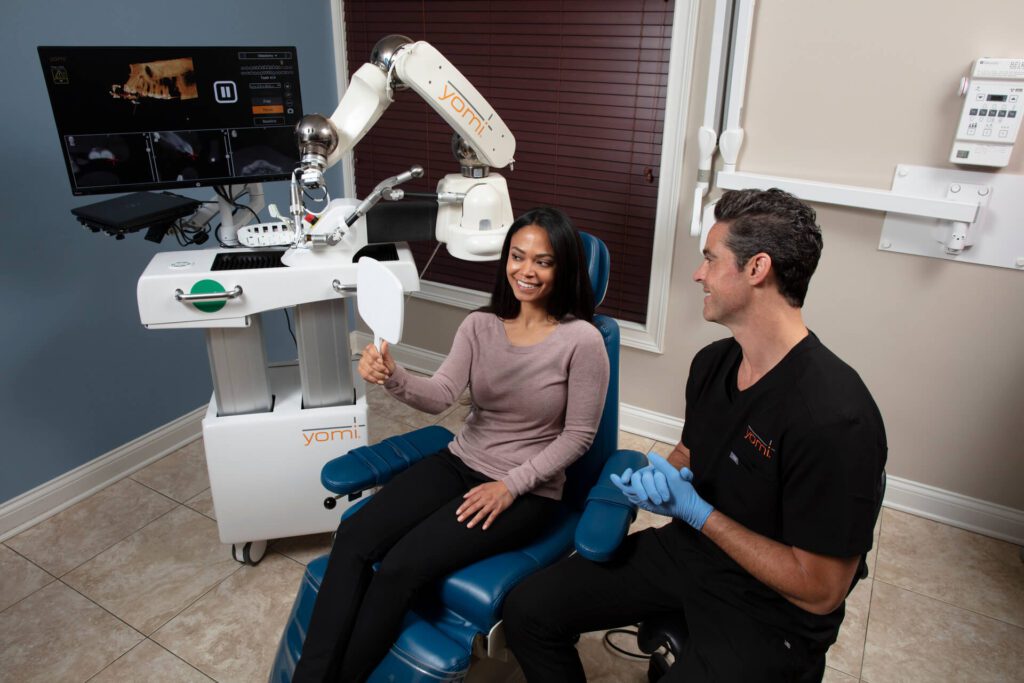
Patients in Bonita Springs and the surrounding Southwest Florida area have access to Towne Dental’s full range of implant and oral surgery services. Towne Dental uses the Yomi® Robot-Assisted Implant system, which provides guided implant placement with a level of accuracy that manual techniques cannot replicate. That precision matters most in full-arch cases where four implants must work together as a single load-bearing unit.
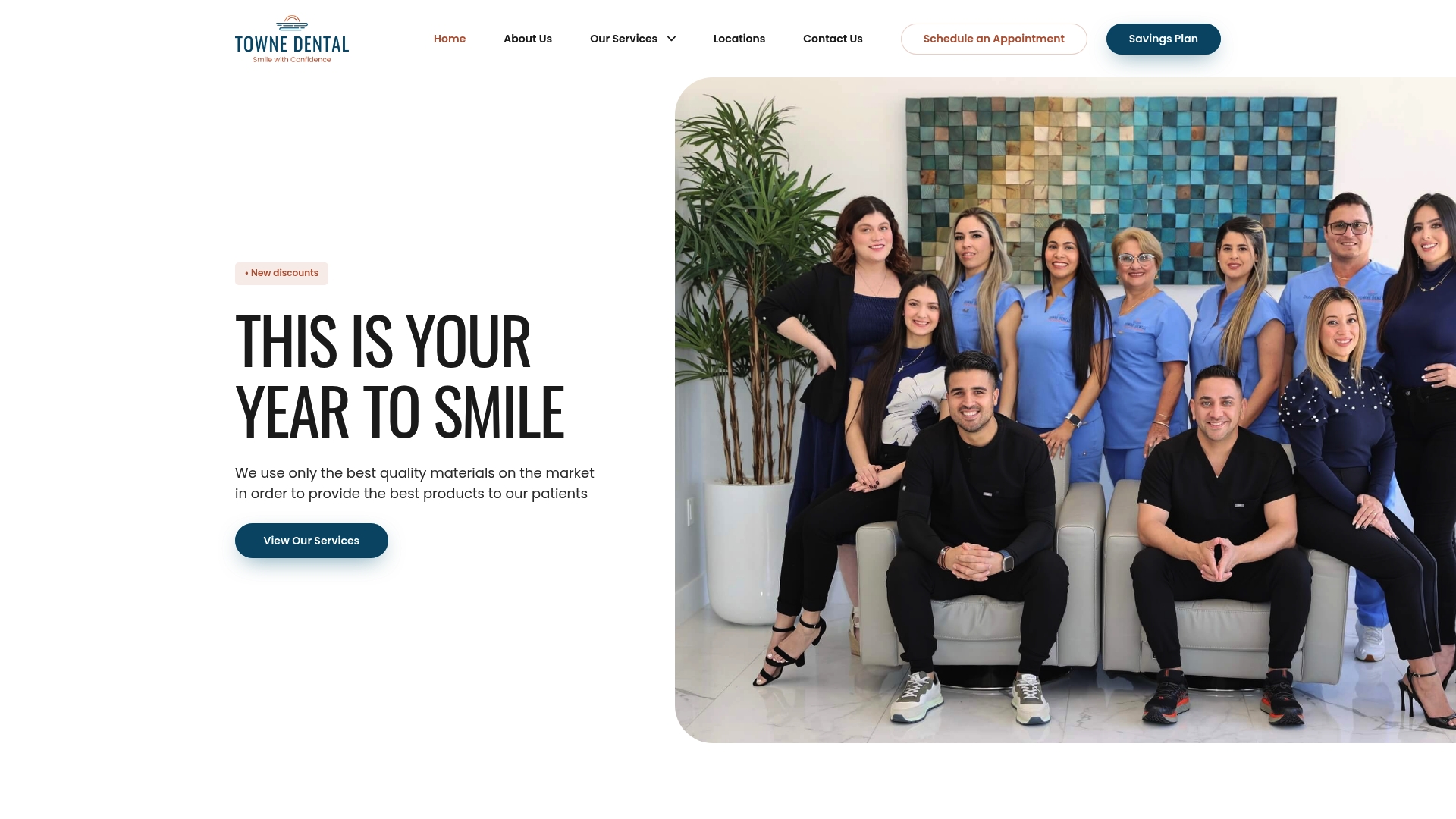
The team at Towne Dental offers personalized treatment planning, from initial CBCT imaging through final restoration and long-term maintenance. Whether you are exploring dental implant and oral surgery options for the first time or ready to schedule a consultation, Towne Dental’s experienced team is equipped to guide you through every phase of the process.
FAQ
What is the difference between All-on-4 and traditional implants?
Traditional implant protocols place one implant per missing tooth and often require bone grafting. All-on-4 uses four implants per arch, angled to maximize bone contact, and supports a full bridge without grafting in most cases.
How long do All-on-Four dental implants last?
With proper maintenance, All-on-4 implants have documented five-year survival rates of 94%–98%. Long-term success depends on professional cleanings, home hygiene, and avoiding habits like smoking.
Is the All-on-4 procedure painful?
Most patients report moderate, manageable discomfort for 3–5 days after surgery. Swelling peaks at 48–72 hours and is controlled with cold compresses and prescribed medication.
Can I eat normally after All-on-Four surgery?
Not immediately. A strict soft-food diet is required for approximately three months while osseointegration occurs. Hard or crunchy foods are prohibited because implant micromovement during healing causes failure.
Does insurance cover All-on-Four dental implants?
Most dental insurance plans provide limited or no coverage for All-on-4 procedures. Some medical insurance plans cover extractions when medically necessary. Financing options through programs like CareCredit are widely available to spread costs over time.